Winter Springs faces scrutiny over $427,000 tree removal spending
Winter Springs is facing questions over a $427,000 tree bill, with Commissioner Mark Caruso pressing for who approved it and what records justify the cost.
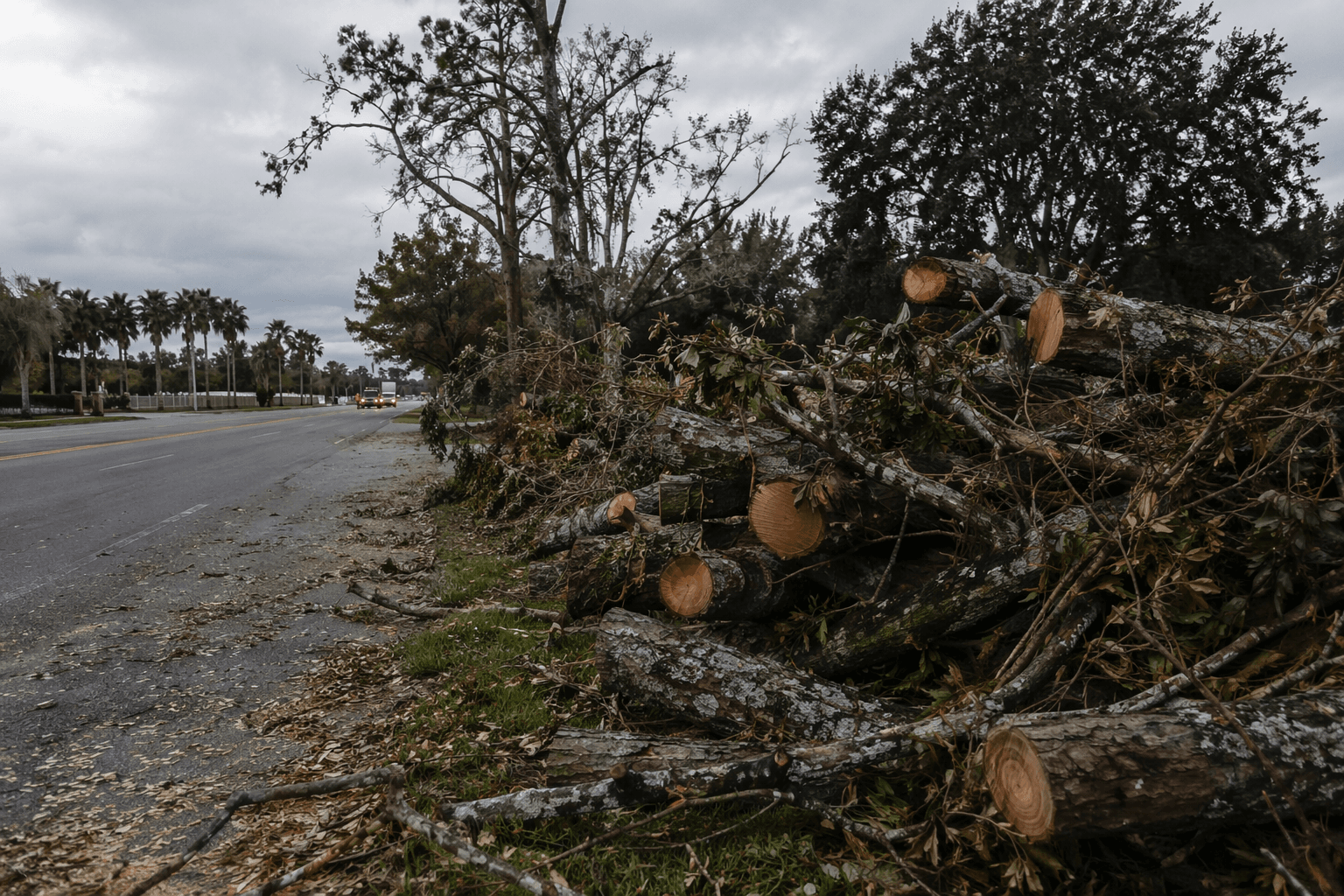
Winter Springs officials are facing new scrutiny over a $427,000 tree-removal bill after Commissioner Mark Caruso used the June 8 Winter Springs City Commission meeting to ask how the city spent so much, who authorized the work and whether more removals should wait until residents get a clearer accounting. The debate has turned on a basic government question: whether this was a necessary safety expense or a large public payment that still needs better documentation.
City leaders have defended the spending by saying the removals were tied to hazardous conditions, not routine landscape work. A city manager memo says Winter Springs began identifying hazardous trees in 2025 after an incident that raised liability concerns for the city. Officials say an arborist evaluated the trees and determined they posed risks to people or property, and that procurement procedures were followed and the money came from approved sources.
That explanation sits inside a broader policy fight over how Winter Springs regulates its tree canopy. The city’s commission archive shows Ordinance 2025-01, which covers tree removal, land clearing, grading and excavation permits, was already on the agenda. Winter Springs’ arbor rules generally require permits for removing trees 4 inches DBH or larger unless a tree is dead, diseased or presents a clear and obvious safety hazard. Florida law also sets out a separate hazardous-tree exception on residential property when documentation from a certified arborist or licensed landscape architect shows an unacceptable risk to people or property.
The current dispute is landing in a city that has already been through a tree-related backlash. In 2025, Winter Springs moved toward rescinding a vote involving a proposed $227,000 tree fee, a controversy that showed how quickly canopy policy can turn into a taxpayer issue. An advocacy review of the City of Winter Springs Arbor Fund later alleged that only about 13 percent of the fund went to planting new trees, while much more was spent on removals, equipment and overhead.
That history helps explain why Caruso’s challenge has resonance beyond one seven-month spending period. Residents are being asked to trust that the city can protect public safety without overspending, overreaching or losing sight of canopy preservation. For Winter Springs, the question is no longer just how many trees came down, but how much proof the city can put behind the bill.
This article was produced by Prism’s automated news system from verified source data, official records, and press releases, then run through automated quality and moderation checks before publishing. The system is built and supervised by the people who set the standards it runs under. Read our full AI policy.
Know something we missed? Have a correction or additional information?
Submit a Tip

