Health alert issued after toxic algae found in Lake Monroe
Tests found harmful blue-green algae toxins in Lake Monroe, putting swimming, boating and pet water access on hold for Sanford-area residents and visitors.
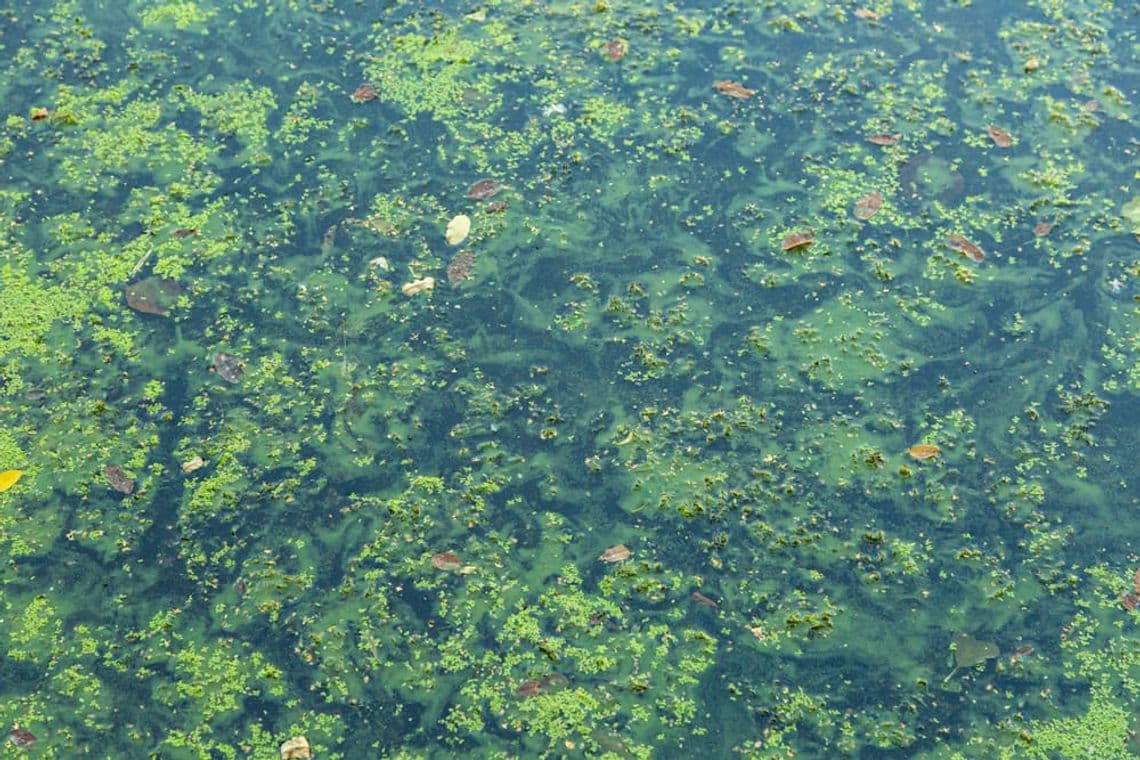
The center of Lake Monroe is off-limits for swimming, wading, personal watercraft and other direct contact after state tests found harmful blue-green algae toxins there, a warning that cuts straight into Sanford-area recreation and daily water use.
The Florida Department of Health in Volusia County issued the health alert on May 28, 2026, based on water samples collected May 18. The notice told people not to drink the water or come into contact with visible bloom areas, and it warned that pets and livestock should be kept away from the lake as well. The alert also stressed a point many people get wrong: boiling contaminated water does not remove the toxins.
For boaters and anglers around Lake Monroe, the safest assumption is that the bloom is a real exposure risk, not just a visual nuisance. The guidance said fish fillets from healthy freshwater fish can still be eaten if they are cleaned and cooked properly, but shellfish from bloom waters should not be eaten. That distinction matters in a large public lake that covers 8,771 acres and sits at the edge of Sanford, where the shoreline, docks and launch points are part of everyday life.
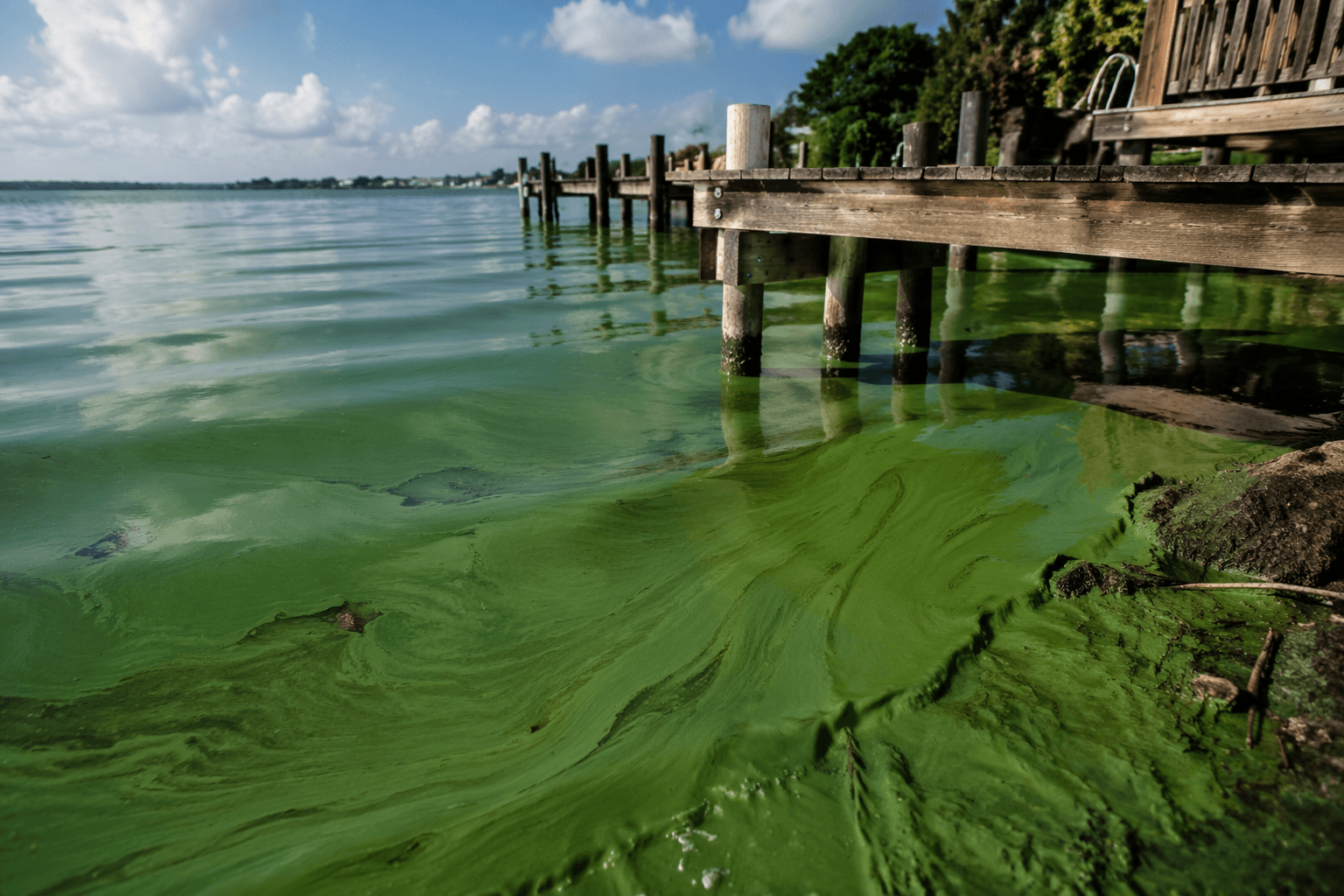
The latest warning is part of a pattern. DOH-Volusia also cautioned the public about blue-green algae in the center of Lake Monroe on Jan. 20, 2026, while water testing was underway. It had issued another alert on May 24, 2024 after a May 16 sample, followed by warnings on Jan. 9, 2024, after a Dec. 21, 2023 sample, and again on April 21, 2023 after an April 18 sample. The repeated notices show how often the same waterway can move from a summer recreation spot to a public-health concern.
Seminole County says the Lake Monroe basin drains to the St. Johns River or Lake Monroe and covers an approximately 24-square-mile watershed that includes parts of Sanford, Lake Mary and unincorporated Seminole County. That makes the alert more than a shoreline issue. It affects nearby neighborhoods, park use, fishing trips, children playing near the water and pet owners who use the lakefront for walks and exercise.
State and university materials point to the bigger pressure behind these blooms: excess nitrogen and phosphorus in the water. A 2025 basin management action plan for Lake Harney, Lake Monroe, the middle St. Johns River and Smith Canal says restoration efforts are continuing and that the earlier plan has been superseded. But permanent solutions remain costly. A June 2024 report said cleanup concepts for Lake Monroe could cost more than $9 billion, a figure that shows how expensive it is to fix a problem that keeps returning to the same local lake.
This article was produced by Prism’s automated news system from verified source data, official records, and press releases, then run through automated quality and moderation checks before publishing. The system is built and supervised by the people who set the standards it runs under. Read our full AI policy.
Know something we missed? Have a correction or additional information?
Submit a Tip