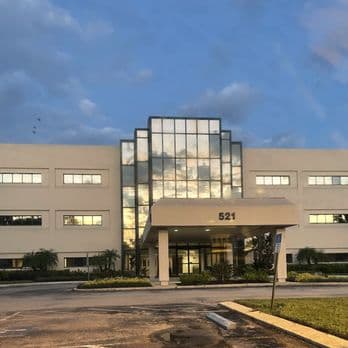
Longwood couple sues fertility clinic after receiving wrong embryo, baby girl born to another family
DNA tests identified the baby girl's biological parents in a Longwood embryo mix-up, but their identities stay private as the family fights for answers and their own embryos.
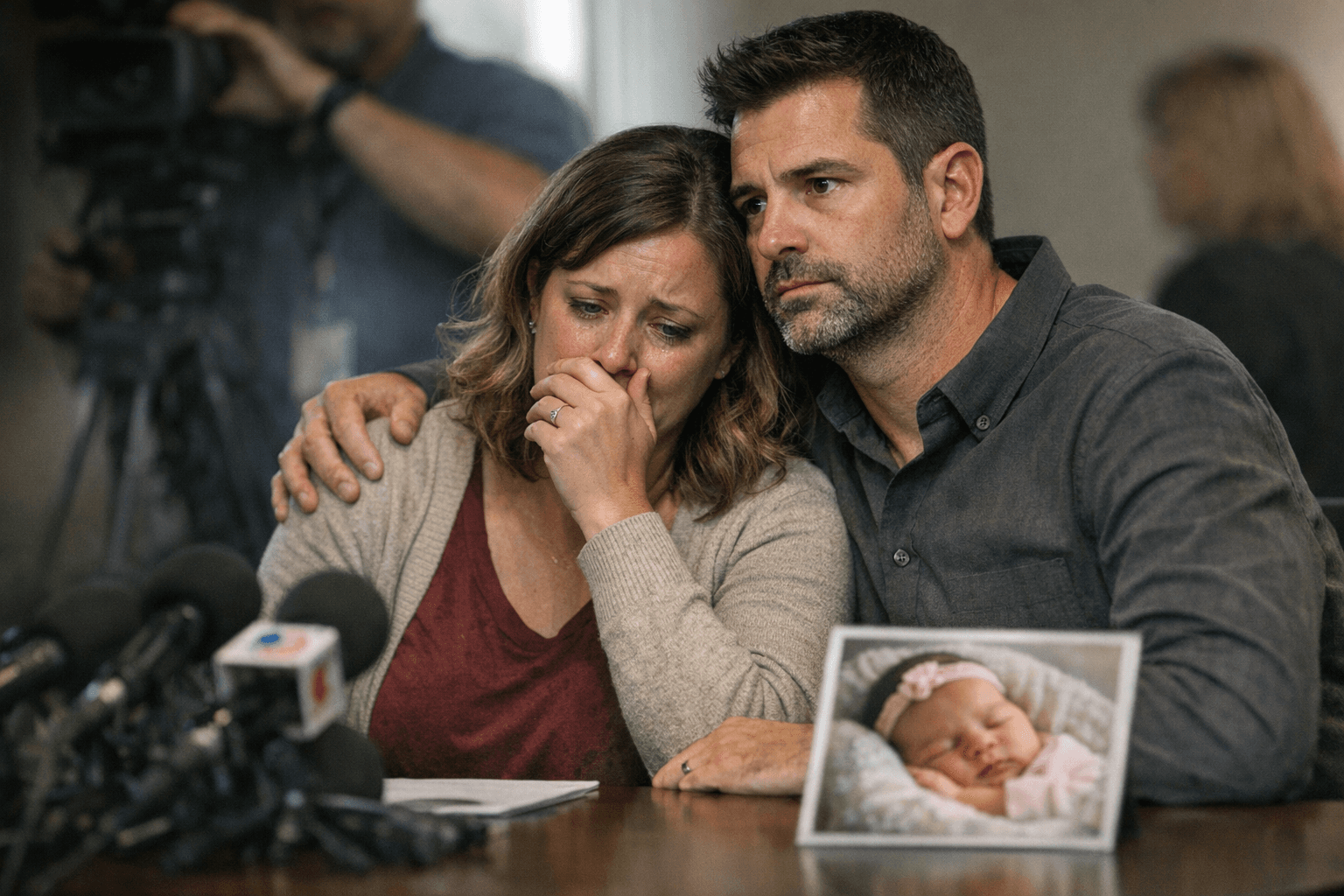
DNA tests have identified the biological parents of the Longwood couple’s baby girl, deepening an already painful IVF mix-up into a fight over privacy, clinic accountability and what happens next for two families tied together by one embryo error.
Attorneys for Steven Mills and Tiffany Score said April 22 that the child’s genetic parents had been found, but their identities would remain confidential as the families tried to respect their privacy. Mills and Score, who gave birth in December 2025, later learned the girl was not biologically related to either of them. Their lawsuit against IVF Life Inc., which operated as the Fertility Center of Orlando, says both parents are Caucasian while the baby displayed the physical appearance of a racially non-Caucasian child.
The couple said they hope to continue raising the girl themselves if possible, while still trying to recover their own genetic child. They also said they felt a moral obligation to notify the baby’s genetic parents and hoped, eventually, to introduce their daughter to them. Court records say the couple contacted the clinic to work out how to reunite the baby with her real parents, but the clinic never responded.
Their emergency request asks a judge to force the clinic to disclose what happened to other patients, pay for genetic testing for relevant patients and children over the five years the clinic had custody of embryos, and reveal any parentage discrepancies in births resulting from embryo implantation during that period. The Fertility Center of Orlando has since shut down operations and is facing multiple lawsuits over the incident, with local reporting saying the clinic had also faced discipline, bankruptcy and other suits before closing.
The case lands amid broader questions about IVF safeguards in a field that touches millions of Americans. The American Society for Reproductive Medicine says clinics have an ethical duty to disclose clinically significant errors involving gametes and embryos, conduct root-cause analyses and maintain rigorous identification procedures. The Centers for Disease Control and Prevention reported 435,426 assisted reproductive technology cycles at 457 U.S. clinics in 2022, resulting in 94,039 live-birth deliveries and 98,289 live-born infants, about 2.6% of all U.S. births. The agency said 184,423 of those cycles were egg or embryo banking cycles, underscoring how many patients depend on secure handling of reproductive material.
For Mills and Score, the central question is no longer only how the mistake happened. It is where their embryos are, whether the clinic can be compelled to explain the error, and how two families move forward after a child was born into the wrong one.
This article was produced by Prism’s automated news system from verified source data, official records, and press releases, then run through automated quality and moderation checks before publishing. The system is built and supervised by the people who set the standards it runs under. Read our full AI policy.
Did this article answer your question?