Orlando fertility clinic sued after embryo mix-up gives couple wrong baby
A Longwood IVF clinic is facing a malpractice suit after genetic testing showed a couple brought home the wrong baby, exposing gaps in embryo safeguards.
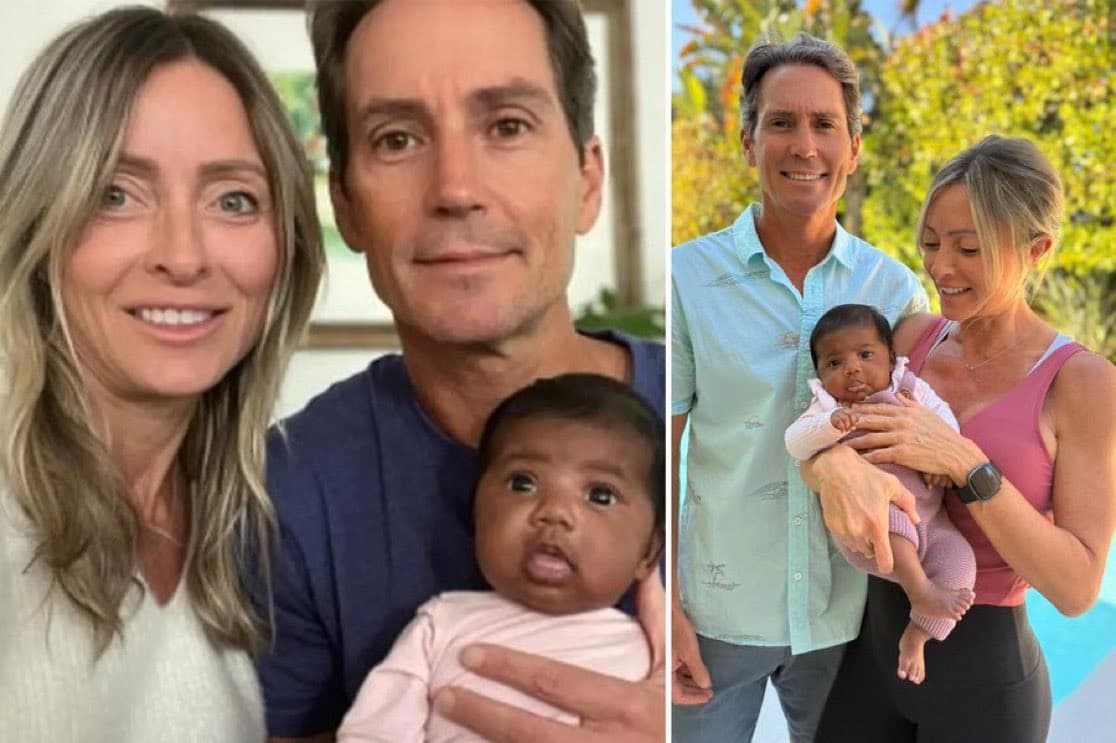
A Longwood fertility clinic is under scrutiny after a white Florida couple gave birth to a baby girl in December 2025 and later learned through genetic testing that the child was not biologically theirs. The lawsuit has put Fertility Center of Orlando, which served families across Seminole County and Central Florida, at the center of a broader trust breakdown in IVF care.
Steven Mills and Tiffany Score filed suit in January 2026 against IVF Life Inc., which does business as Fertility Center of Orlando. Court filings said the child’s appearance differed from her parents’ race, with the complaint stating, “While both parents are racially Caucasian, Baby Doe displayed the physical appearance of a racially non-Caucasian child.” By April 22, the couple said testing had identified the baby’s genetic parents, though those identities remained confidential, and questions were still lingering about what happened to the embryos that should have been used for their treatment.
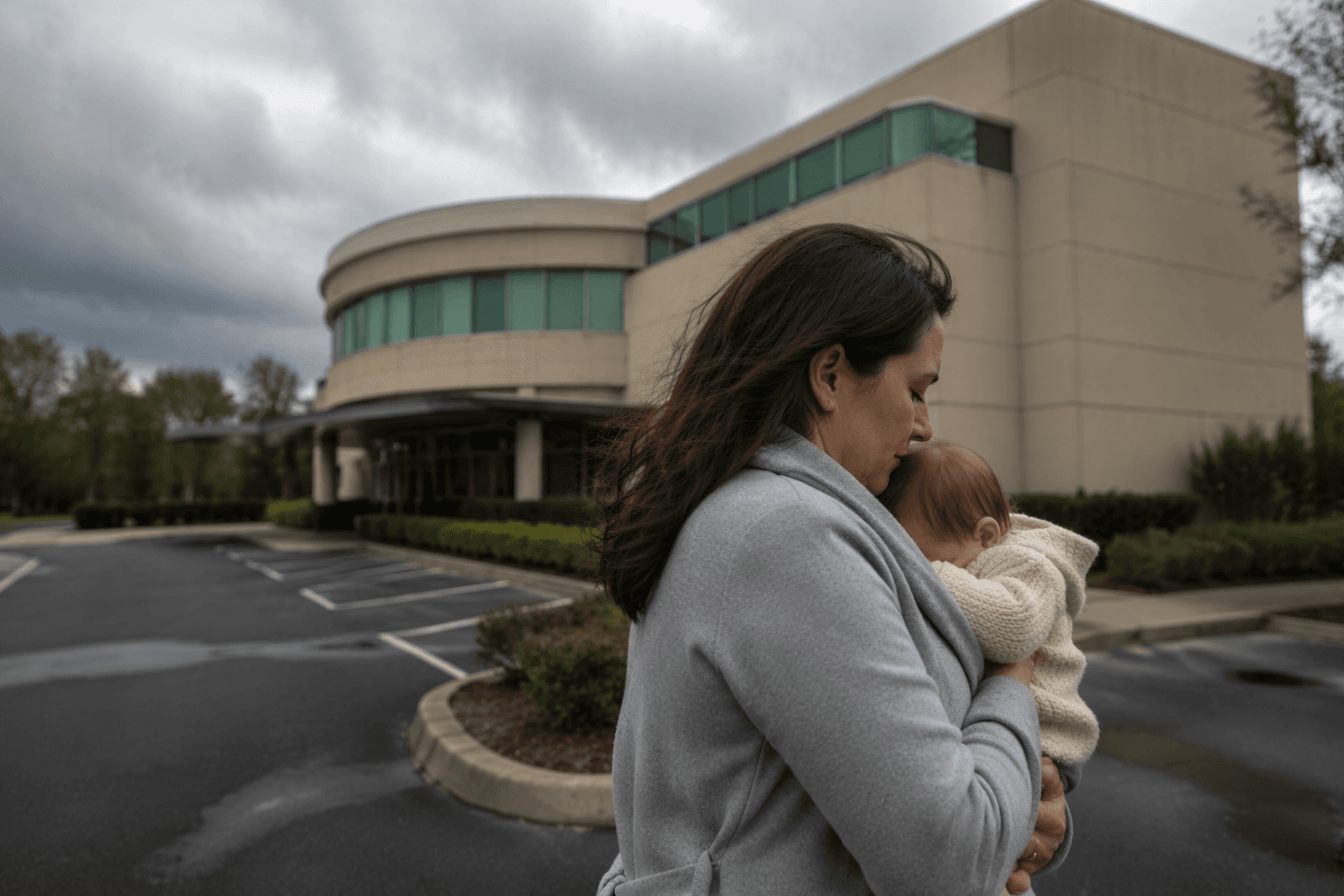
The clinic announced on March 30, 2026, that it was closing operations and telling patients to transfer care to CNY Fertility. The shutdown came as the clinic faced multiple lawsuits, including a separate March 2026 case alleging a surrogate gave birth to a baby with thanatophoric dysplasia, a severe genetic disorder, and the child died about 10 days after birth. In June, the baby’s biological parents reached a private custody agreement with Mills and Score, allowing the couple to retain permanent custody of the child.
The case has turned attention to how IVF clinics track, label and transfer embryos, especially in a market where errors can alter lives in a single procedure. The American Society for Reproductive Medicine says clinics have an ethical duty to prevent the loss, damage or misdirection of gametes and embryos, to disclose clinically significant errors, and to conduct root-cause analyses when mistakes happen. The Centers for Disease Control and Prevention says about 500 U.S. clinics provide assisted reproductive technology services and that its national surveillance system covers about 98% of all U.S. ART cycles.
The clinic is owned by Dr. Milton McNichol, who has been licensed in Florida since 2004. State records cited in reporting say the Florida Board of Medicine reprimanded him and fined him $5,000 in 2024 after a routine inspection found equipment that did not meet current performance standards and missing risk-management documents. That same year, the clinic filed for Chapter 11 bankruptcy and later reorganized, though its debts had not yet been discharged. A Seminole County man also sued McNichol and the clinic over allegedly damaged or destroyed frozen sperm stored before cancer treatment, adding to the pressure on a clinic now closed and under a cloud of regulatory and legal questions.
This article was produced by Prism’s automated news system from verified source data, official records, and press releases, then run through automated quality and moderation checks before publishing. The system is built and supervised by the people who set the standards it runs under. Read our full AI policy.
Know something we missed? Have a correction or additional information?
Submit a Tip