Seminole County issues algae toxin alerts for Lake Howell, Lake Jesup
Health officials warned against contact with Lake Howell and Lake Jesup after samples found blue-green algae toxins, with boaters, pets and swimmers urged to stay out.
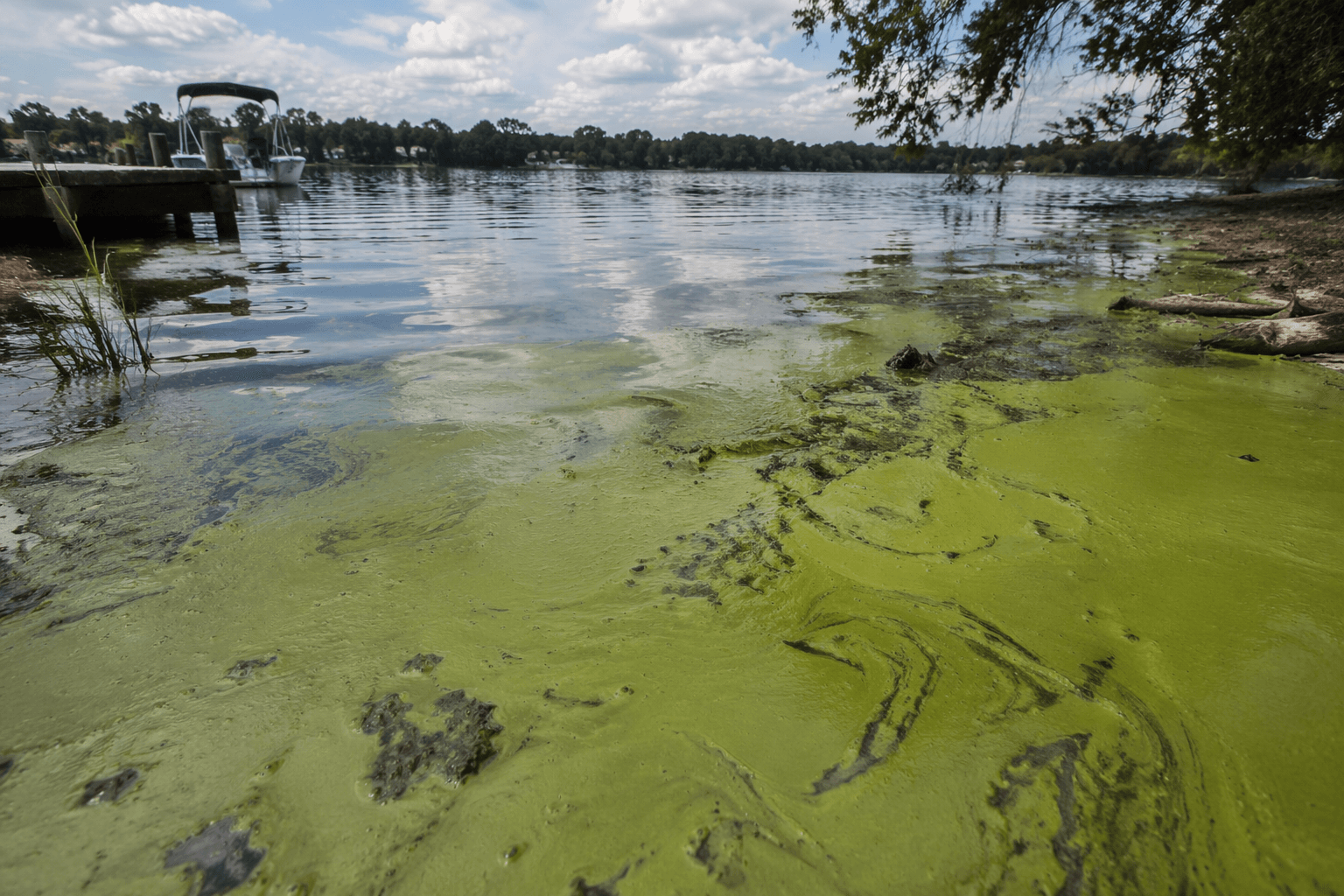
Seminole County health officials have warned residents to stay out of two major local waterways after samples from Lake Howell and Lake Jesup tested positive for blue-green algae toxins. The alerts carry immediate consequences for people who swim, fish, launch boats, or let pets near the shore, especially in a county where Lake Jesup is the largest lake and a long-running water-quality problem.
The Florida Department of Health in Seminole County issued a blue-green algae health alert for Lake Howell on June 19 after a sample taken June 17 tested positive for harmful toxins. Lake Jesup was already under alert from June 5, based on a June 2 sample, and the county issued another Lake Jesup alert on June 19 after a June 16 sample again showed toxic conditions. The alerts mean residents should not drink the water, swim, wade, use personal watercraft, or touch visible blooms.
Health officials also warned that boiling contaminated water does not remove blue-green algae toxins. They said people should wash skin and clothing with soap and water after any contact, keep pets and livestock away from affected water, and avoid cooking or washing dishes with contaminated water. The department said children, seniors and immunocompromised people may face greater risk, a concern that extends beyond shoreline users to families, park visitors and anyone who may come in contact with lake spray or runoff.
On Lake Jesup, public health warnings meet a lake already burdened by years of nutrient pollution and limited flushing. State and regional water-management sources describe the lake as shallow and drained by a 150-square-mile watershed stretching across Seminole and Orange counties. Excess nutrients, urban runoff and wastewater discharges have fueled chronic algal blooms there for years, making each new alert part of a deeper environmental and public-health problem.
Lake Howell, in the Little Lake Howell watershed in southwest Seminole County, has also seen repeated algae warnings, including alerts in 2023 and 2024. That history underscores how persistent the issue has become for neighborhoods around Casselberry and nearby communities that rely on the lake for recreation and property value. Spectrum News 13 reported the alerts alongside the account of Chandler Ranonis, a boater on Lake Jesup who said he tries to stay out of the water even while out with his daughter. Mirna Chamorro, a public information officer with DOH-Seminole, repeated the warning not to swim or use watercraft in affected waters.
Blue-green algae blooms are more common in Florida during the summer and fall, when warm, sunny, still conditions and excess nutrients can accelerate growth. The Florida Department of Environmental Protection says its Algal Bloom Dashboard and Protecting Florida Together site track sampled bloom results, giving residents a way to monitor what county officials are finding as the summer algae season continues.
This article was produced by Prism’s automated news system from verified source data, official records, and press releases, then run through automated quality and moderation checks before publishing. The system is built and supervised by the people who set the standards it runs under. Read our full AI policy.
Know something we missed? Have a correction or additional information?
Submit a Tip