Rapid Seminole Response Saves Pilot, Heart Attack Treated in Under 90 Minutes
On December 17, 2025 a Seminole area pilot suffered an acute heart attack and received lifesaving care through a rapid, coordinated response that moved the patient from first medical contact to cardiac catheterization reperfusion in under 90 minutes. The event highlights how integrated emergency departments, Flight 1 air transport and cath lab teams can change outcomes for time sensitive cardiac events, and why local access to coordinated systems matters for Seminole County residents.
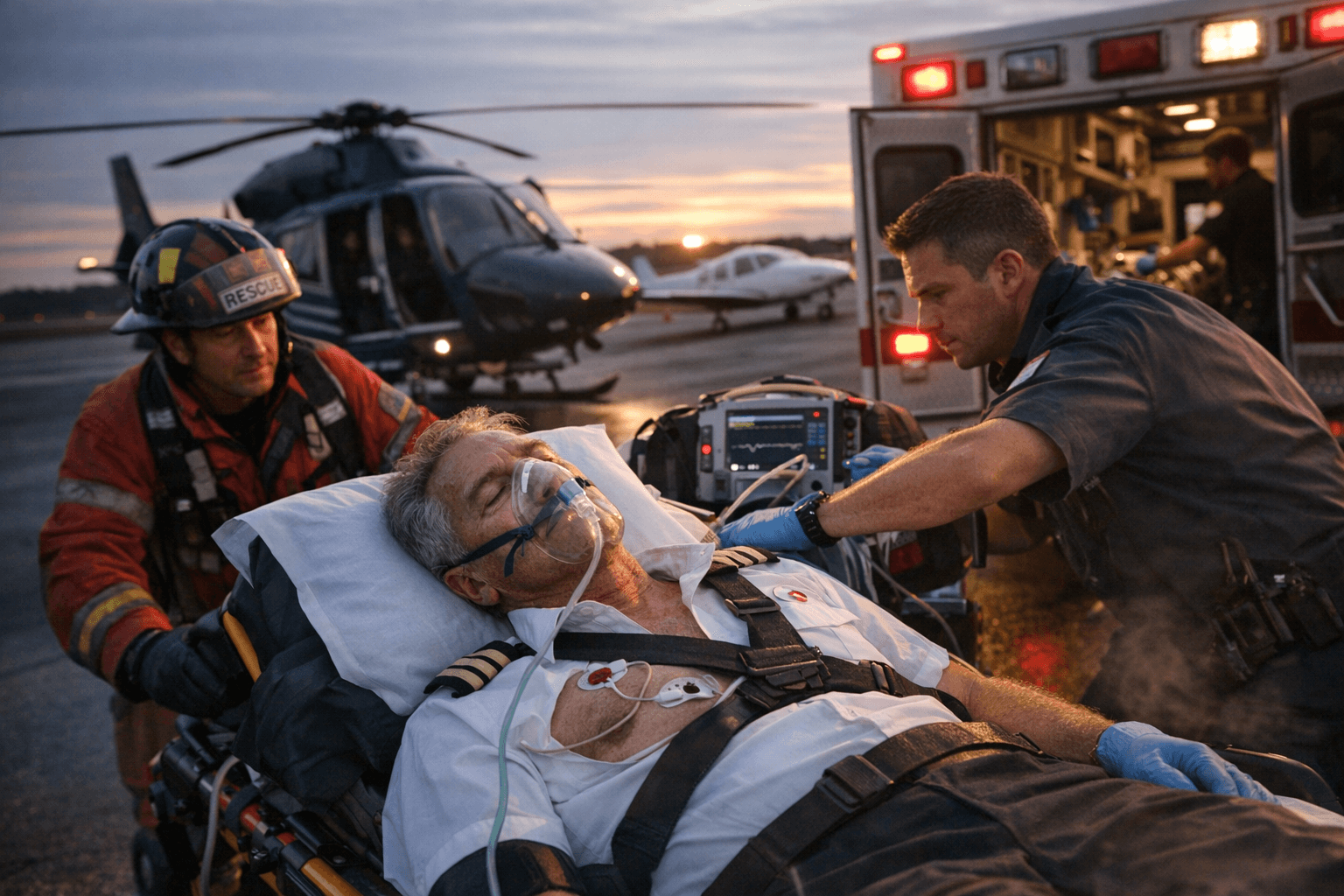
A pilot in the Seminole area experienced an acute myocardial infarction on December 17, 2025 and was saved by a tightly coordinated emergency response that combined emergency department care, Flight 1 air transport and immediate activation of the catheterization laboratory. Clinicians diagnosed the event rapidly, arranged air transport, and achieved reperfusion in the cath lab in less than 90 minutes from first medical contact. The timeliness of that sequence was decisive in preserving heart function and stabilizing the patient.
The response demonstrates the practical value of integrated systems of care. Emergency department teams made an early assessment, Flight 1 provided rapid interfacility transport, and cath lab staff were ready on arrival to perform urgent coronary intervention. Whole person approaches were applied alongside technical treatment, ensuring the patient received not only revascularization but coordinated follow up planning for recovery and secondary prevention.
For Seminole County residents the case underscores several public health and policy concerns. Time sensitive cardiac care depends on geographic access to facilities, reliable emergency medical services and air transport when ground transfer would delay treatment. Maintaining readiness requires investment in EMS staffing, training, and interoperable communication so that prehospital providers can alert hospitals and cath lab teams in advance. Equitable access is also a concern, because rural or underserved neighborhoods may have fewer nearby resources and financial barriers can deter people from seeking care quickly.
This incident also reinforces prevention and community education priorities. Early recognition of heart attack symptoms and immediate activation of 911 remain the most effective community level interventions to reduce mortality and long term disability. Local health systems and policymakers should prioritize funding and planning that sustain rapid transport options, reduce transfer times, and ensure all residents can access timely revascularization.
If you or someone nearby experiences chest pain, shortness of breath, nausea or sudden lightheadedness call 911 without delay. Rapid recognition and coordinated care save lives, as the Seminole response on December 17 demonstrated.
This article was produced by Prism’s automated news system from verified source data, official records, and press releases, then run through automated quality and moderation checks before publishing. The system is built and supervised by the people who set the standards it runs under. Read our full AI policy.
Did this article answer your question?