Sanford approves 30-day trial of body cameras with translation tools
Sanford approved a 30-day test of body cameras that can translate 50 languages, after 2025 footage controversies rattled trust.

Sanford city leaders approved a 30-day free trial of new high-tech police body cameras, a small but telling step for a department still under a public-trust spotlight. The cameras go beyond basic recording: they can translate dialogue in 50 languages and help officers draft reports, although officers must still review and edit those reports before submitting them.
The trial gives the Sanford Police Department a chance to see whether the new system solves problems its current equipment does not, including faster documentation, clearer video, and better communication during traffic stops, arrests, neighborhood calls and complaints. For the city, the key question is whether those benefits are enough to justify the training, data-handling and eventual cost of a broader rollout.
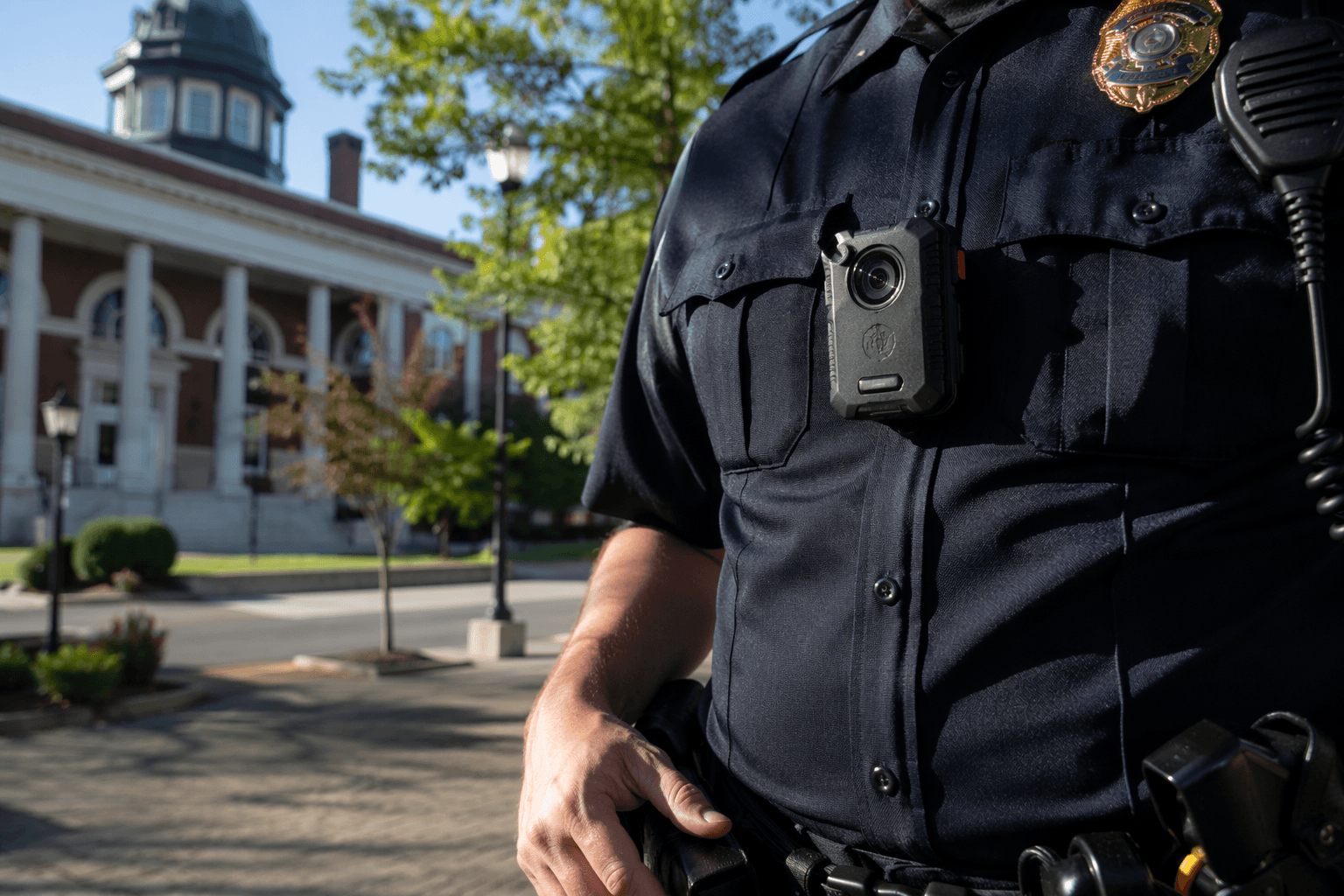
The decision matters because body cameras have become more than a gadget purchase in Sanford. In 2025, an administrative investigation began after questionable body-camera footage surfaced online, drew more than two million views and prompted criticism from residents. That scrutiny led to officer resignations and renewed questions about how police video is captured, handled and released.
The City Commission, Sanford’s governing body, has already backed police equipment spending in recent months. A commission recap reported approval of $155,897.60 to Axon Enterprise, Inc. for police department equipment, including virtual reality training tools, body cameras and tasers. That earlier vote and the new trial suggest city leaders are weighing a larger modernization effort, but only after testing whether the technology works as advertised.
The Sanford Police Department says it must comply with more than 250 professional standards to maintain accreditation, and body-camera policy sits squarely inside that obligation. Any permanent adoption will raise the same questions the 30-day trial is meant to answer: how the footage is stored, who can access it, how long it is kept, what is released under public-records requests, and how much the city will ultimately pay.
For Sanford, the test is about more than newer hardware. It is about whether better technology can strengthen accountability in a city where police video has already become a civic fault line, and whether a short trial can deliver enough evidence before taxpayers are asked to fund the next step.
This article was produced by Prism’s automated news system from verified source data, official records, and press releases, then run through automated quality and moderation checks before publishing. The system is built and supervised by the people who set the standards it runs under. Read our full AI policy.
Did this article answer your question?