Sanford pool hall shines as mentor coaches young player
A Sanford pool hall is turning a pro lesson into a local youth pipeline, with an 11-year-old student showing how mentorship can make recreation matter.
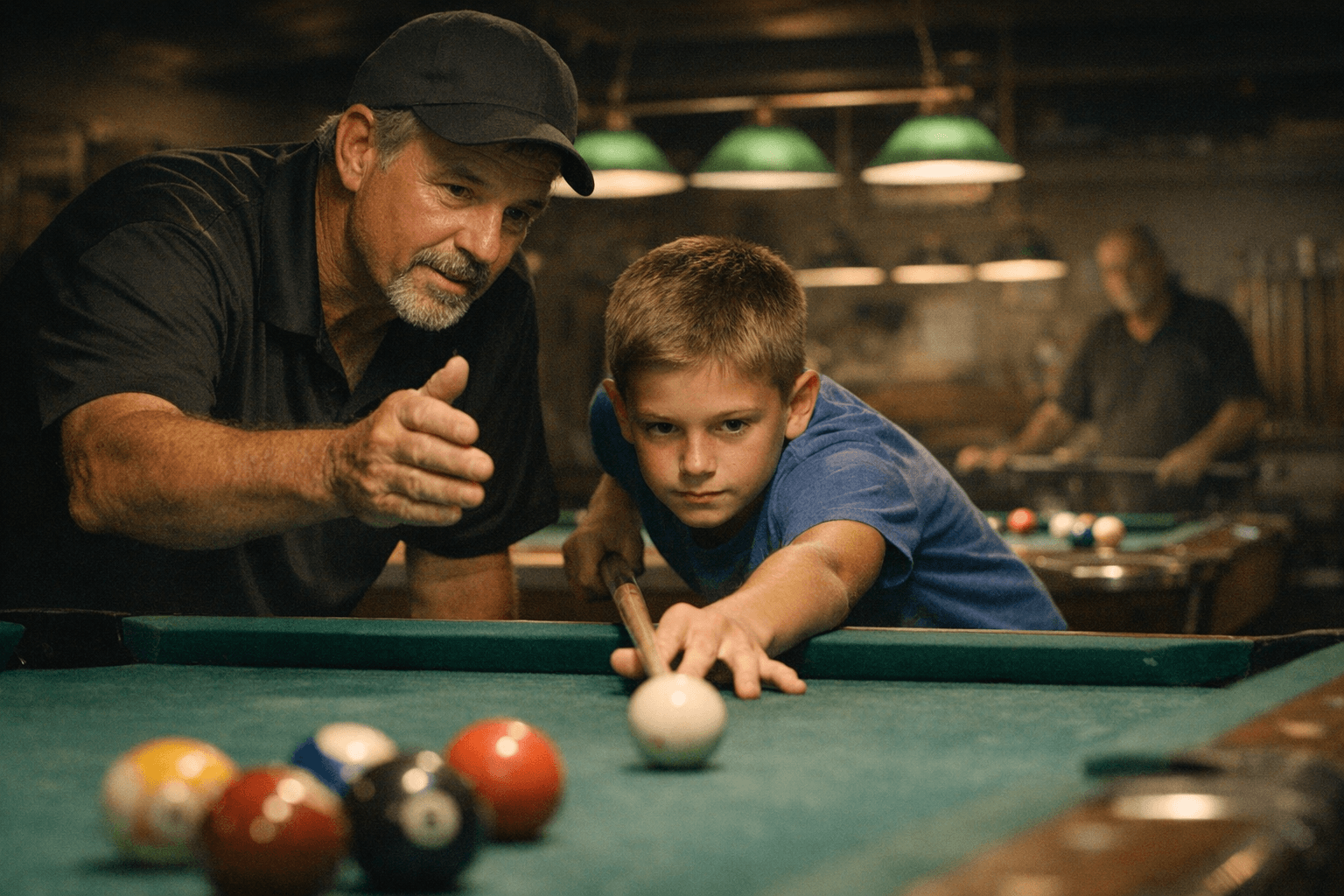
A Sanford pool hall with a bigger role than table time
Racks Billiards in Sanford is drawing attention for more than its tables and tournaments. A Spectrum News feature on April 24, 2026, showed pro player Michael DeLawder coaching 11-year-old Taylor MacMillan on shot-making, turning a routine lesson into a snapshot of how a small entertainment business can function as a youth mentor hub.
That detail matters because it changes the way a pool hall fits into Seminole County’s leisure economy. In a city where downtown identity, historic preservation, and small-business vitality are closely linked, a place like Racks is not just selling games. It is selling an experience that combines skill, supervision, social interaction, and a clear path for younger players to learn from someone with real competitive credentials.
Why an 11-year-old lesson stands out
Taylor MacMillan’s age is the key to why this story resonates locally. An 11-year-old learning from Michael DeLawder is not the same as a casual adult game night; it suggests a structured, low-cost, skills-based activity that can give a child focused attention in a setting that is social without being chaotic.
That is important in a market full of screen-heavy entertainment options. A pool lesson asks for concentration, timing, and repetition, but it also offers something many local recreation spaces struggle to provide: an adult mentor who can show a young player how to improve in real time. For families looking for activities that feel both fun and constructive, that combination can fill a gap between passive entertainment and organized youth sports.
What Racks Billiards is offering
Racks Billiards lists its Sanford location at 312 N Entrance Rd, Sanford, FL 32771, and says it is open every day from 11:00 a.m. to 2:00 a.m. That wide window makes it a flexible stop for lunch, evening play, late-night leagues, and tournament traffic. The business also describes itself as a place for live sports, food, billiards, tournaments, and family fun.
That mix helps explain why the hall can appeal to different age groups at once. Adults can come for the sports-bar atmosphere, while younger players can be introduced to the game in a more guided way. The Spectrum feature leaned into that family-friendly angle, and it helps position Racks as a gathering place with more value built in than a simple row of tables.
What a pro teaches in a setting like this
DeLawder’s role in the story is what gives the lesson weight. A veteran player coaching shot-making signals that billiards is being treated as a discipline, not just a pastime. The emphasis is on technique, and that matters for how the business is perceived by parents, league players, and anyone deciding whether the venue belongs in a family routine.
That kind of instruction also gives the sport a ladder. A child can move from casual play to deliberate practice, and a local hall becomes the place where that progression happens. In a city like Sanford, where recreation options compete with home entertainment, sports complexes, and downtown dining, a business that can host both casual customers and serious learners has an economic edge.
Why Sanford’s downtown story fits this business
Racks’ relevance is easier to understand against the backdrop of Sanford’s downtown planning and preservation priorities. The city says its downtown RiverWalk spans several miles along Lake Monroe, giving the area a strong public-realm identity. Sanford also says it completed multimillion-dollar streetscapes on 1st Street and Sanford Avenue, with brick pavers, wider sidewalks, trees, flowers, and benches.
Those improvements matter because they shape the kind of business ecosystem that survives in Downtown Sanford. A pool hall like Racks works in a city that values walkable, experience-driven destinations and businesses that keep people in town rather than sending them elsewhere in Seminole County. It is one thing to offer tables; it is another to fit the city’s broader effort to make downtown feel active, livable, and worth returning to.
Historic districts and small-business identity
Sanford says the Downtown Commercial Historic District, Sanford Residential Historic District, and Georgetown Historic District are listed on the National Register of Historic Places. The city also says its historic-preservation program supports preservation of buildings, structures, sites, and districts while helping shape a sustainable and livable city.
That context helps explain why a business like Racks can matter beyond recreation. Sanford’s identity is built partly on older buildings, preserved districts, and a downtown that still depends on locally rooted places with personality. A pool hall that hosts a pro lesson for a child fits that pattern better than a generic chain venue would, because it adds character, keeps spending local, and gives residents a place to gather around a shared activity.
Racks is not new to competitive billiards
The Sanford hall’s profile is also reinforced by its earlier tournament and challenge-match history. A 2020 AZBilliards item said Racks hosted a $2,500-added Amateur 9-Ball Bar Box Championships stop on the Sunshine State Predator Pro Am Tour. A 2022 challenge-match listing showed Mike DeLawder playing Billy Thorpe at Racks Billiards & Sports Bar in Sanford.
That history suggests the venue has long been more than a neighborhood bar with a few tables. It has functioned as a place where competitive pool can actually happen, which gives the April 24 feature a deeper local meaning. If a young player is being coached there now, she is learning in a space that already has a record of hosting serious play.
What this means for Seminole County
For Seminole County readers, the larger story is about how small entertainment businesses survive and stay relevant. Racks Billiards is showing that a pool hall can do more than provide a night out. It can create a low-cost, skill-based pathway for young players, give adults a reason to gather, and reinforce Sanford’s downtown identity at the same time.
That is why Taylor MacMillan’s lesson matters. It is a sign that the business is not merely preserving a pastime. It is helping turn billiards into a local mentoring space, one where a child can learn precision, a pro can pass on technique, and Sanford can keep another piece of its entertainment economy tied to real community value.
This article was produced by Prism’s automated news system from verified source data, official records, and press releases, then run through automated quality and moderation checks before publishing. The system is built and supervised by the people who set the standards it runs under. Read our full AI policy.
Did this article answer your question?


