Sanford Ride to Freedom returns, links cycling and Black history
Sanford’s Ride to Freedom turns a bike ride into a rolling tour of Black history, ending at Hopper Academy after crossings through Georgetown, Goldsboro, Bookertown and Midway.
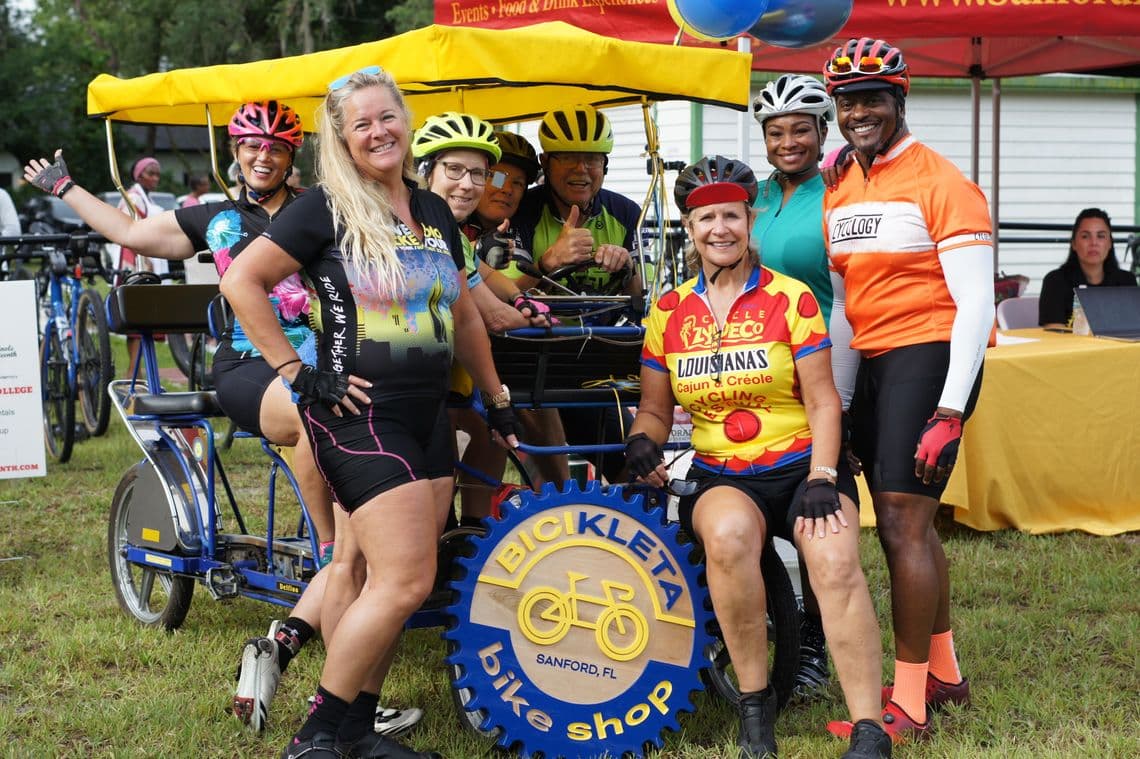
Sanford’s Ride to Freedom sends cyclists through Georgetown, Goldsboro, Bookertown and Midway before ending at Hopper Academy, where the ride becomes a community celebration of Black history as much as a test of endurance. The fifth annual event returns Saturday, May 16, with routes built to let riders experience Seminole County’s past in motion.
Routes that make the county itself part of the ride
The ride offers four distances, 12, 28, 45 and 60 miles, so participants can choose an entry point that matches their comfort, training and stamina. The 12-mile option is described as family-friendly, and youth ages 10 through 17 can register at a discounted rate when accompanied by an adult. That structure matters because the event is designed to welcome more than seasoned cyclists; it is built to bring families, first-time riders and history-minded residents into the same shared route.
What makes the event distinctive is not only the mileage but the landscape. Riders are sent through Black heritage sites across Central Florida, turning the course into an interpretive tour that connects neighborhoods, schools and corridors of memory. Georgetown, Goldsboro, Bookertown, Midway and the Orlando/Sanford International Airport all sit on the route, linking older communities to one of the county’s most visible modern gateways.
A route through Sanford’s Black history
Georgetown is one of Sanford’s historic African American communities, and the ride gives it a visible place in a public event that many people will see from the road. Goldsboro adds another crucial layer, because it was founded in 1891, later annexed into Sanford in 1911, and remains an essential part of the city’s Black history. Together, those stops place the ride squarely inside the story of how Sanford developed, expanded and remembered its own neighborhoods.
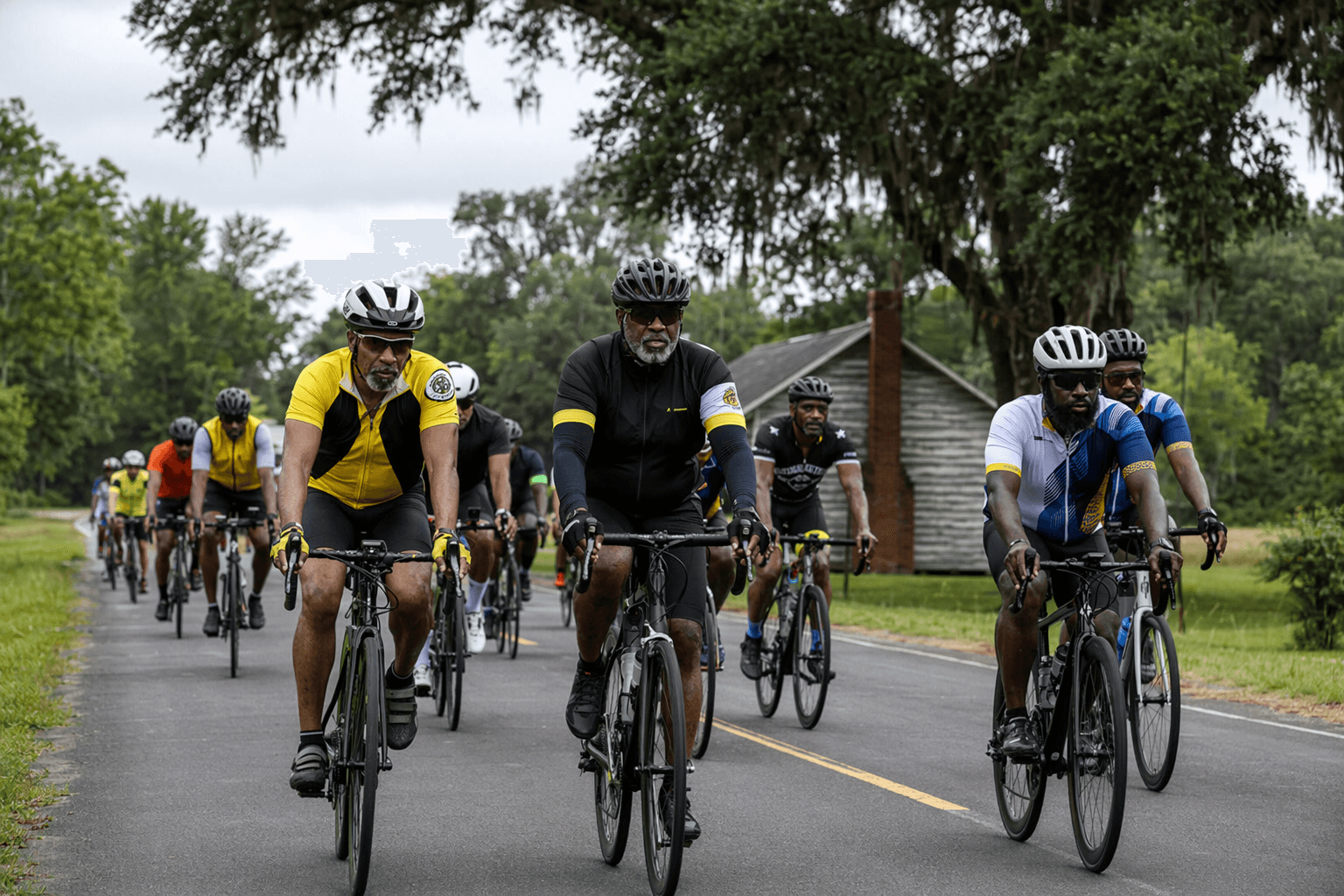
Bookertown brings the county’s railroad history into view. A historical marker there says the first African Americans arrived in 1885 as railroad laborers for the Orange Belt Railway and the Jacksonville, Tampa, and Key West Railroad, a reminder that transportation and migration shaped this area long before today’s bicycle route. Midway extends that geography further, and the stretch by the Orlando/Sanford International Airport underscores the contrast between the county’s historic communities and the infrastructure that now defines daily movement through Seminole County.
Why Hopper Academy is the symbolic finish line
The day culminates at Hopper Academy, and that finish line carries more weight than a typical post-ride gathering. Hopper Academy was built in 1910 as one of the few schools in Florida for African American students, and local history sources describe it as the first African American school in Sanford’s Georgetown district. Joseph Nathaniel Crooms became principal in 1906 and began construction of the current building at 1101 Pine Avenue, tying the site directly to the educational leadership that shaped Black life in Sanford.
Hopper Academy’s later milestones show how preservation has kept that history visible. The school closed in 1962 after Crooms Academy and the new Hopper elementary school opened, then the building was designated a Sanford local historic landmark in 1991 and placed on the Florida Black Heritage Trail in 1994. Ending the ride there turns the site from a preserved landmark into an active gathering place, where cyclists finish not at a parking lot but at a location that still anchors the city’s memory.
How the ride fits Florida Emancipation Day
Sanford’s Ride to Freedom is tied to Florida Emancipation Day, which is observed on May 20 to mark the day in 1865 when Union officials proclaimed enslaved people in Florida free in Tallahassee. That statewide history gives the Sanford event a broader frame, but the local programming makes it concrete. City materials show Emancipation Day observances in Sanford have included a reading or reenactment of the Emancipation Proclamation, Sanford Museum presentations and Gospel Jubilee events at Hopper Academy.
That connection is what gives the ride its strongest civic value. It does not treat history as something sealed off in a lecture hall or a plaque; instead, it places the memory of emancipation alongside exercise, neighborhood routes and public celebration. In a county where growth often gets discussed through roads, development and logistics, the ride asks residents to see movement itself as a way of telling the story of who built these communities and how they endured.
What riders receive, and where the money goes
Registered riders receive a complimentary Ride to Freedom active shirt, along with snacks and drinks at sag stops, lunch, vendors and a historical celebration at Hopper Academy. Those details make the event feel less like a single start and finish and more like a full community gathering built around the course. The planning also signals that the ride is designed for participation, not just performance, with support along the way and a social finish at the historic school.
The proceeds benefit Get Sanford Cycling, a 501(c)(3) youth cycling program whose mission is to inspire children through community rides, bike maintenance and cycling workshops. That ties the event’s public-history mission to a practical investment in the next generation of riders. The Sanford Herald says the ride has grown into a signature Sanford tradition, bringing together cyclists, families and community members to honor history while promoting unity, wellness and outdoor activity.
By the time riders roll into Hopper Academy, the event has done more than cover miles. It has stitched together Georgetown, Goldsboro, Bookertown, Midway and the airport corridor into one visible path through Seminole County history, then handed that history back to the community as something to experience, not just observe.
This article was produced by Prism’s automated news system from verified source data, official records, and press releases, then run through automated quality and moderation checks before publishing. The system is built and supervised by the people who set the standards it runs under. Read our full AI policy.
Did this article answer your question?


