Sanford urges residents to check flood risk before storms hit
Sanford is warning that flash flooding can turn everyday roads into hazards in minutes, and residents are being urged to check their flood zone before storms arrive.
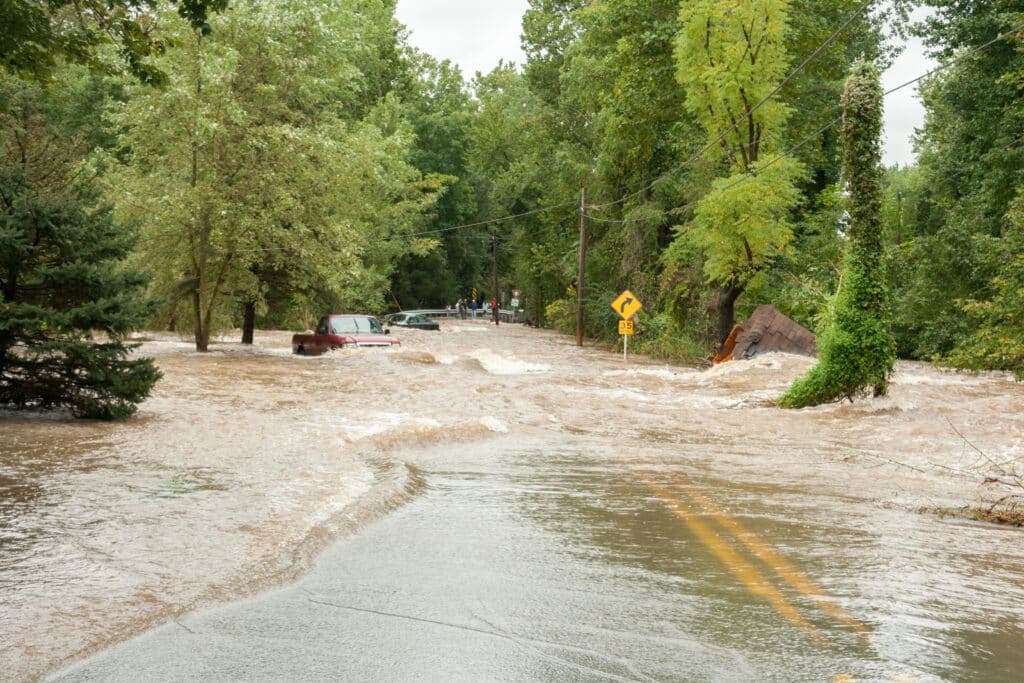
Sanford's flood risk is local, fast and easy to underestimate
Flash flooding in Sanford is not just a storm-season headline. It is a neighborhood-level threat that can surge across familiar roads, parking lots and drainage swales before people realize conditions have changed. In a city shaped by low-lying ground, older neighborhoods and uneven drainage, the difference between dry pavement and dangerous water can be one burst of heavy rain.
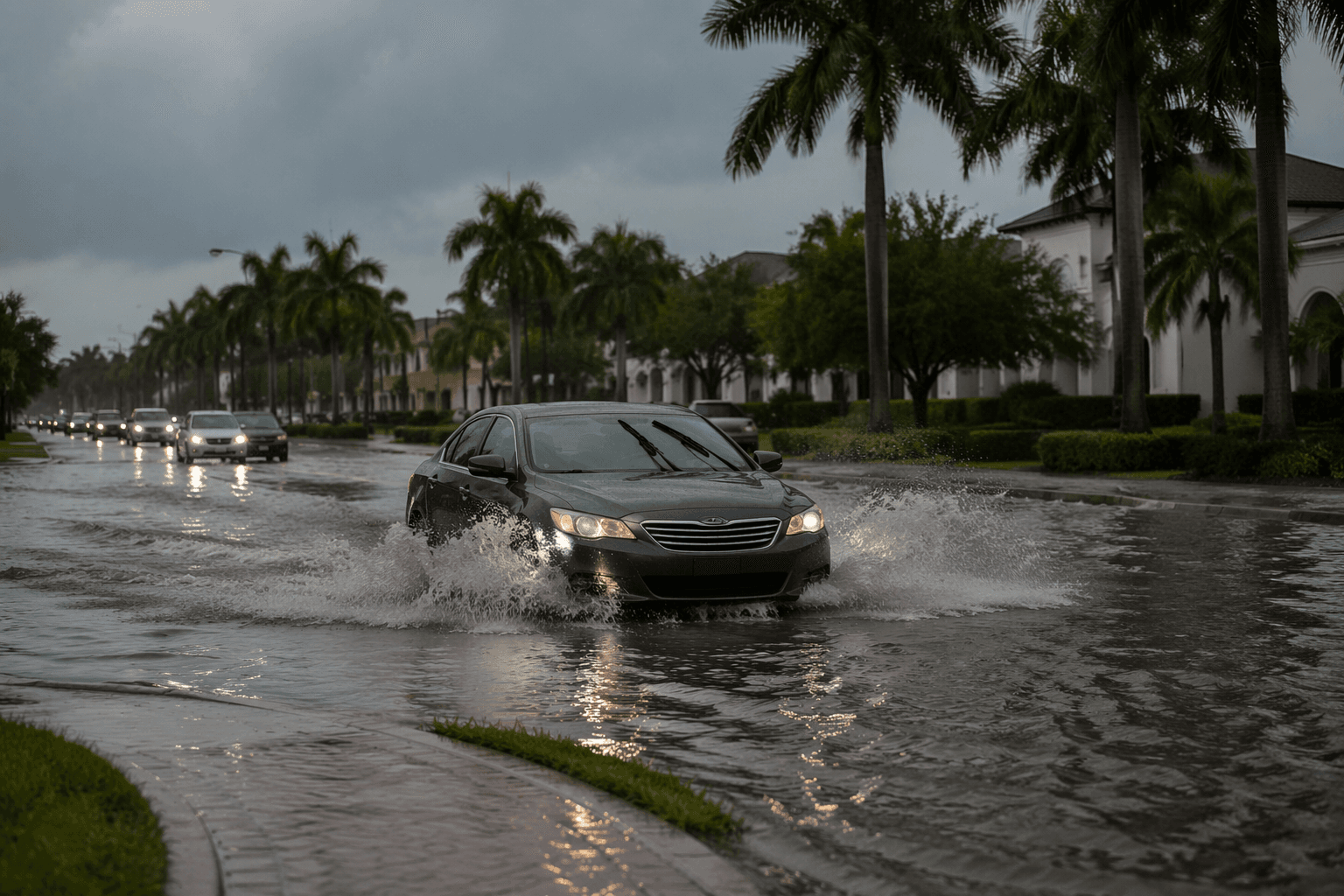
That is why Sanford is pressing residents to verify their flood exposure before the skies open up. The city’s message is simple: do not guess based on memory, a previous storm or what a neighboring block looked like after the last downpour. Flood danger can change sharply from one property to the next, especially in parts of Central Florida where elevation, drainage and development all affect how water moves.
How to check your flood zone before the rain starts
The first step is to look up your FEMA flood zone through the FEMA Flood Map Service Center, which FEMA identifies as the official public source for flood hazard information. Residents can also review property details through the county property appraiser’s office or look up an address through FloodSmart.gov to see whether a home sits in a high-risk area.
That check matters even if a home does not appear to be in the path of the worst flooding. FEMA notes that people in low- or moderate-risk areas may still need flood insurance, and it also says flood maps are continually updated. In practice, that means a property that seemed safe years ago may no longer fit the same risk profile, especially in fast-growing parts of Seminole County.
The point is not paperwork for its own sake. It is timing. A resident who knows the flood zone, understands the low spots on the property and has insurance information ready is far better positioned than someone who waits until water is already rising in the street.
Prepare the house before water gets close
Sanford’s flood guidance goes beyond mapping and gets into the small decisions that often determine how much damage a storm causes. The city encourages residents to move valuables to higher levels, clear drains and gutters, and consider check valves that can help keep water from backing up into a home. It also points people toward sump pump solutions with battery backup, a practical safeguard when storms knock out power.
These are not abstract precautions. They are the kind of steps that can limit damage before floodwater reaches the threshold. A few inches of water in a garage, utility room or first-floor living space can destroy appliances, soak drywall and contaminate stored belongings, so preparation has to start before the rain becomes an emergency.
The lesson for households in Sanford is to treat flood protection like any other household task tied to weather. If a drainage grate is clogged, a gutter is full or valuables are still sitting on the floor of a low room, the window to act is already closing.
Know the route, the alert system and the escape plan
Sanford’s guidance also stresses readiness outside the home. Residents are told to monitor heavy rain, practice evacuation routes and shelter plans, gather supplies in case they must leave immediately, and sign up for warning systems such as the Emergency Alert System and NOAA Weather Radio.
That advice is especially relevant in Seminole County, where a short burst of intense rain can make a normal commute unsafe in minutes. A road that looks passable in the morning can become a trap by afternoon, especially when storm drains are overwhelmed or water collects in low stretches near neighborhoods, intersections and underpasses.
The most important life-safety rule is equally clear: do not enter floodwater and do not treat the situation as over just because the rain has stopped. Flooded roads can hide drop-offs, washed-out pavement and moving water with enough force to push vehicles off course. In a county where familiar driving routes double as storm corridors, caution is not optional.
Seminole County's flood history explains the urgency
Seminole County says flooding here is driven by heavy rainfall in short periods of time, the kind common during seasonal thunderstorms, and by storm surge from tropical storms and hurricanes. The county’s own flood materials describe a region with constant exposure because of its low-lying areas and its location on a peninsula between the Gulf of Mexico and the Atlantic Ocean.
The historical record shows why local officials keep sounding the alarm. Seminole County says Tropical Storm Fay in 2008 was the worst flooding event in county history. The storm dropped up to 16 inches of rain, led to more than 260 water rescues, damaged homes and roads, and caused widespread power outages.
County flood-safety material also points to the 2004 storms Charley, Frances and Jeanne, along with Hurricane Donna in 1960, as examples of past flooding events. More recently, county emergency history says Hurricane Milton in October 2024 brought severe weather, heavy rainfall, flash flooding and river flooding. WESH reported that flooding remained a major concern in Seminole County and that some neighborhoods near Lake Markham suffered major damage.
That mix of past storms matters because it shows flooding is not an occasional outlier. It is part of the county’s operating reality, one that has repeatedly disrupted homes, roads and emergency response.
Planning is still evolving in Sanford and across the county
The flood story is not only about weather. It is also about planning, infrastructure and growth. Seminole County is revisiting the Wekiva Basin Study to update modeling and better understand how lake levels and surrounding properties interact, a sign that local officials are still working to identify flood-prone areas more precisely.
The county is also developing a 2025-2030 Floodplain Management Plan through its Local Mitigation and Resiliency Strategy Committee, which brings together stakeholders from across the community. That kind of work matters because flood risk does not stay fixed. Roads, drainage, development patterns and shoreline conditions all change, and the maps and mitigation plans have to change with them.
That is especially true in the Lake Monroe/Lockhart-Smith Canal basin, which includes parts of Sanford and Lake Mary and has seen significant growth since the last study. Growth adds homes, pavement and infrastructure to the landscape, all of which can affect how quickly water runs off and where it collects during heavy rain.
For Sanford, the message is straightforward. Check the map, understand the property, prepare the house and know the route out before storms arrive. In a county with a long flood history and a future still being actively planned, the safest decision is the one made early.
This article was produced by Prism’s automated news system from verified source data, official records, and press releases, then run through automated quality and moderation checks before publishing. The system is built and supervised by the people who set the standards it runs under. Read our full AI policy.
Did this article answer your question?