Seminole County changes hazardous-waste drop-off rules for automotive fluids
Seminole County changed how residents drop off gasoline: a technician must pour every automotive fluid now, and gas cans are only returned 10 a.m. to 2 p.m.

Seminole County has changed the way residents can turn in gasoline and other automotive fluids at the Household Hazardous Waste Tunnel and Reuse Shop in Longwood, tightening a process that becomes especially important as hurricane season approaches. As of June 1, all automotive fluids must be poured by a technician, meaning residents can no longer handle that step themselves.
The county also said anyone who wants a gas can returned after disposal must come between 10 a.m. and 2 p.m., Monday through Saturday. That detail matters for people cleaning out garages, emptying fuel from lawn equipment after the mowing season, or getting ready for storms by sorting the old gasoline, oil and other liquids that tend to collect around a house.
Seminole County framed the change as a seasonal reminder tied to hurricane preparation, when residents often clear sheds, inspect generators and dispose of materials that should never go into regular trash. The county said household hazardous waste should be separated from ordinary household garbage, and that HHW may be brought to the Central Transfer Station in Longwood. The update is meant to keep dangerous liquids out of landfills and storm drains while still giving residents a place to dispose of them safely.
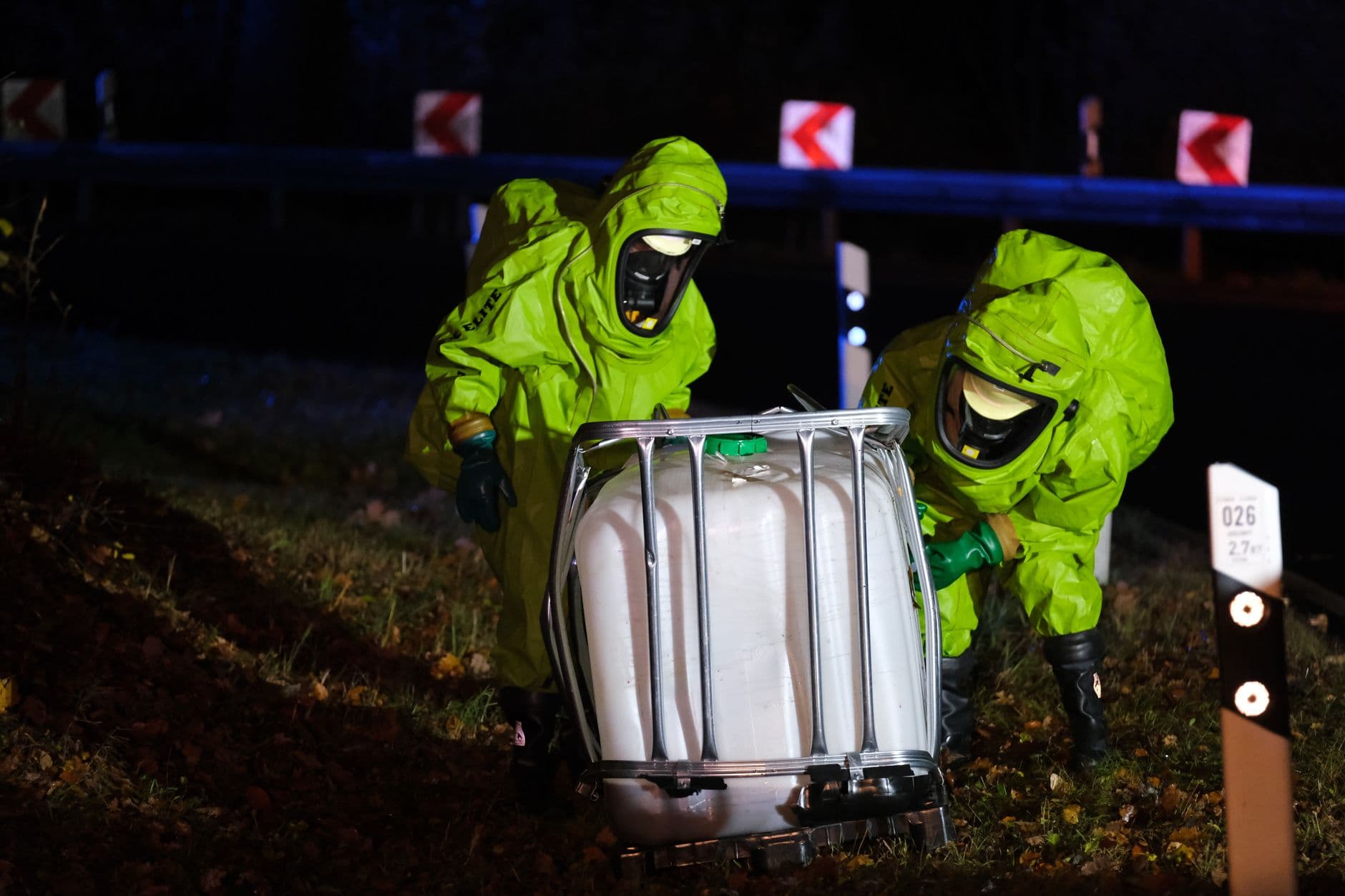
The county’s guidance also lays out a different option at the Seminole County Landfill in Geneva. There, residents may drop off oils, automotive batteries, propane tanks and appliances, but not chemicals, except for antifreeze. The landfill property spans more than 6,000 acres and is described by the county as a Class 1 landfill with a natural clay liner, plus gas recovery and leachate-removal systems for environmental compliance.
For Seminole County households, the practical message is simple: do not put hazardous materials at the curb, and do not assume the old drop-off routine still applies. The county’s updated procedure changes who can handle automotive fluids, when gas cans can be reclaimed and where different materials belong, all of which can save residents a second trip and keep hazardous waste out of the wrong place.
This article was produced by Prism’s automated news system from verified source data, official records, and press releases, then run through automated quality and moderation checks before publishing. The system is built and supervised by the people who set the standards it runs under. Read our full AI policy.
Did this article answer your question?