Seminole County GIS maps help residents find property details
Seminole County’s GIS tools let buyers, builders and neighbors check flood zones, zoning, parcel history and historic aerials before money or permits are on the line.
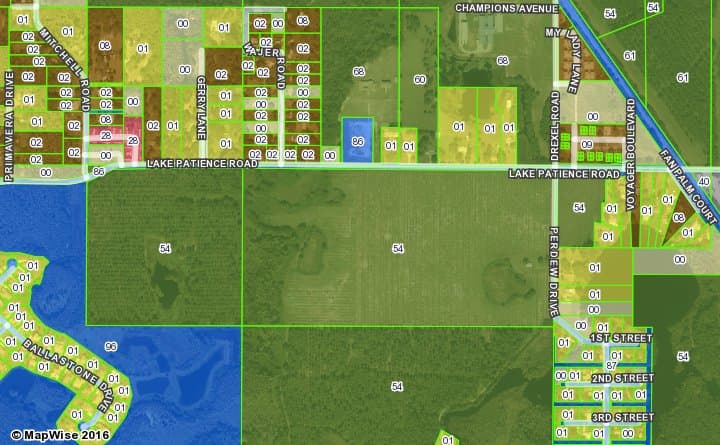
A house hunt in Oviedo, a renovation in Sanford, or a complaint about what is happening next door can all start with the same county tool. Seminole County’s GIS system lets you enter an address and pull up ownership, land use, zoning, flood zone, utility providers and more, turning a parcel search into a quick check on risk, value and neighborhood change.
For a buyer, that can mean spotting a flood-prone lot before an offer is signed. For a contractor, it can mean checking jurisdiction and utility details before a permit package is assembled. For a small business owner, it can mean seeing whether a site sits near bus stops, schools, parks or political boundaries that may affect access, service calls or neighborhood reactions.

What Seminole County’s GIS actually shows
Seminole County Information Technology calls GIS a geospatial resource for county and city staff, businesses and residents. The GIS Library holds more than 300 layers of information. The county’s Information Kiosk is built around a simple address or parcel search, which makes it useful long before anyone needs a planner, appraiser or surveyor.
That search also surfaces jurisdiction, hydrant location, political representation and school information. The kiosk includes parcels, political boundaries, parks and bus stops.
The same database supports planning, environmental and regulatory activities. The county describes it as valuable to federal, state, regional and local agencies, as well as private businesses.
How the maps help before you buy, build or complain
A buyer can use the map to compare a lot’s zoning and flood zone with the asking price, then decide whether the property fits the intended use. A homeowner planning an addition can check jurisdiction and utility providers before spending money on design work that may not match the site.
The same tools help when a neighboring parcel changes use. If a quiet lot is suddenly tagged for a different land use, or if a nearby site starts showing a different zoning pattern, the county’s map layer can give you a first read on what changed, showing the parcel context in complaints, objections and neighborhood disputes.
Seminole County’s flood-prone-areas guidance directs residents to use FEMA flood maps or file a Flood Zone Determination Request, which carries a $50 research fee. FEMA’s Flood Map Service Center is the official online location for flood hazard mapping products under the National Flood Insurance Program.
The City of Sanford directs residents to Seminole County’s GIS webpage for FEMA flood prone areas, making the county map the local entry point for questions about a specific address, driveway or building pad.
Historic aerials show what the parcel used to be
The historical black-and-white collection begins in 1940 with the Agricultural Stabilization and Conservation Service, and the Public Works Engineering Division has aerial photographs from 1940 through 1999, plus topographic aerials with 1-foot contours, available for review at 100 E. 1st St. in Sanford.
Current zoning does not show what the site looked like before subdivision, road widening or drainage work. The county’s ArcGIS historic aerials viewer includes layers labeled 1940, 1948, 1957, 1968, 1972, 1974, 1980, 1986, 1989, 1991, 1992, 1993, 1995, 2000, 2002, 2021 and 2023.
Seminole County’s population rose from 470,856 in the 2020 Census to 491,884 in the U.S. Census Bureau’s July 1, 2025 estimate. Across those decades, land that once held open ground, drainage swales or scattered buildings became the subdivisions, commercial strips and service corridors that now define much of the county.
Where the old records meet the day-to-day property file
The Public Works Engineering Division offers black-line copies of aerial photos for $5.00 per copy, payable in cash or by check to the Seminole County Board of County Commissioners. The archive remains usable for planners, attorneys, surveyors, contractors and property owners who still need a paper copy for a file, hearing packet or field check.
The Seminole County Property Appraiser uses a CAMA system and GIS to make fair-value assessments, and it must inspect all properties at least once every five years.
Seminole County has nearly doubled in population since 1970.
This article was produced by Prism’s automated news system from verified source data, official records, and press releases, then run through automated quality and moderation checks before publishing. The system is built and supervised by the people who set the standards it runs under. Read our full AI policy.
Did this article answer your question?