Seminole County hosts hurricane prep event for residents, volunteers
Seminole County used Hurricane Action Day 2026 to push residents beyond stockpiling supplies, pairing storm prep with shelter training, volunteer options and emergency alerts.
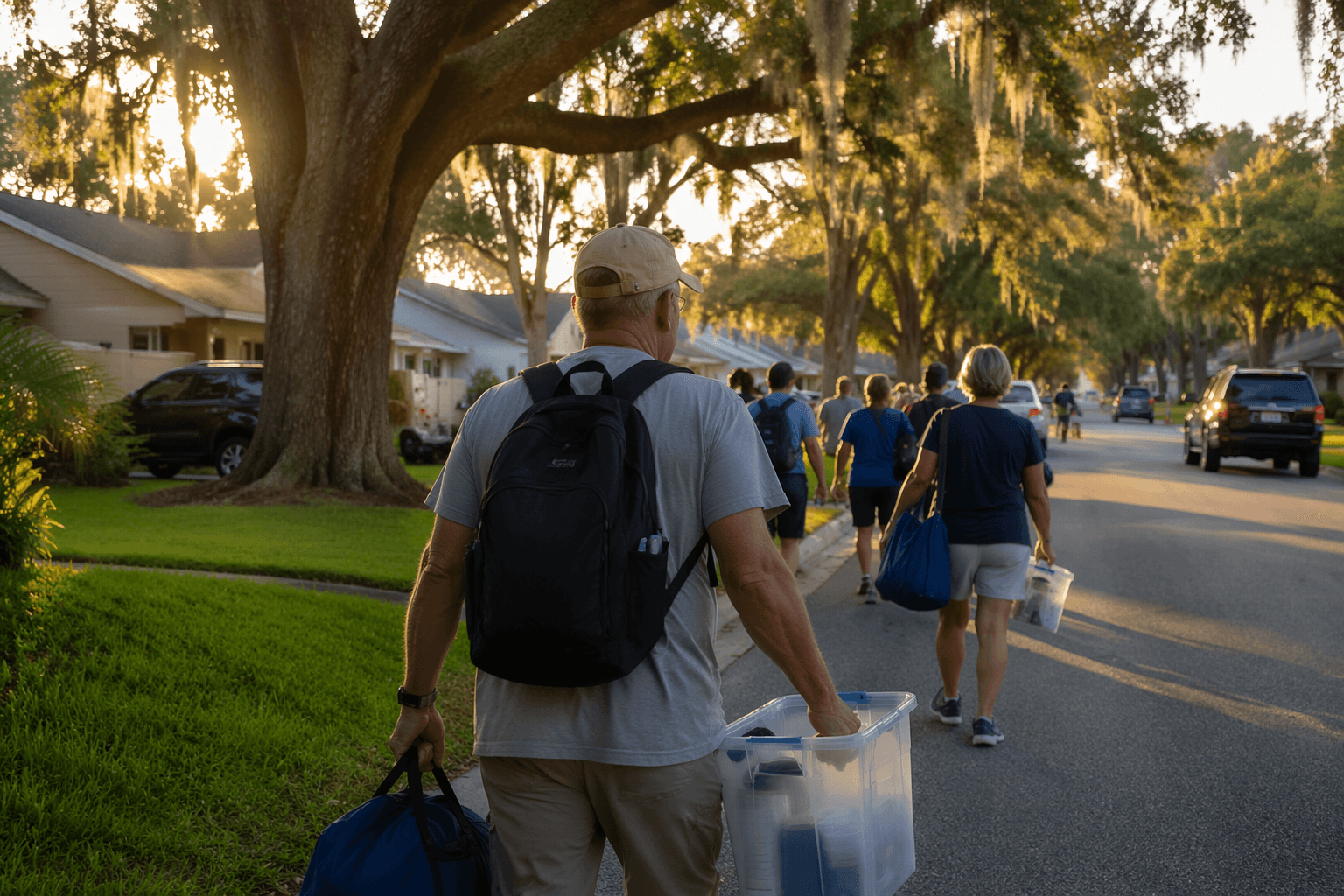
Seminole County emergency managers put readiness front and center at Hurricane Action Day 2026, a Saturday gathering in Lake Mary built to show residents what goes wrong before a storm and how to fix it early. The county set the event at The Church of Jesus Christ of Latter-day Saints, 2255 Lake Emma Road, from 9 a.m. to 1 p.m., with breakfast and lunch provided for registered attendees.
The program mixed practical planning with volunteer recruitment. Training Block A included Disaster Legal Services, Disaster Preparedness, an American Red Cross presentation and Introduction to Shelter Training, giving residents a chance to learn how the county and its partners respond when weather turns dangerous. The event also aimed at people who want to help after landfall, not just those trying to protect their own homes.
Seminole County’s Office of Emergency Management says it spends the year distributing brochures and guides, staging preparedness events, producing public service announcements and maintaining the county’s preparedness website. Seminole H.E.A.R.T., the county’s volunteer response network, says more than 100 participating organizations stay ready through regular training, workshops and educational programs coordinated by the emergency management office.
The timing came as NOAA forecast a 55% chance of a below-normal 2026 Atlantic hurricane season, with the season running from June 1 to November 30. Even with that lower-risk outlook, the projection still called for 8 to 14 named storms, 3 to 6 hurricanes and 1 to 3 major hurricanes, a reminder that Seminole County can still face serious wind, flooding and shelter demands.
County officials have recent storms to point to. Seminole County’s historical emergencies page says Hurricane Milton in 2024 triggered one of the county’s most extensive preparedness operations, including more than 280,000 sandbags, 10 shelters, extensive public information efforts and a Level 2 activation at the Seminole County Emergency Operations Center. After Hurricane Ian, the county also dealt with major flooding, including high water in creeks and rivers that later required cleanup.
That history helps explain why emergency managers keep pressing residents to sign up for county alerts and keep more than one way to get weather information during a storm. The lesson behind Hurricane Action Day was direct: supplies matter, but so do evacuation routes, shelter plans, flood risk, volunteer coordination and fast communication when the next tropical threat moves toward Central Florida.
This article was produced by Prism’s automated news system from verified source data, official records, and press releases, then run through automated quality and moderation checks before publishing. The system is built and supervised by the people who set the standards it runs under. Read our full AI policy.
Did this article answer your question?