Seminole County judge ends I-4 bomb scare case with probation
A bomb-threat call that shut down I-4 in Lake Mary ended with 18 months of probation for Kelvin Harp, and no explosives were found in his truck.
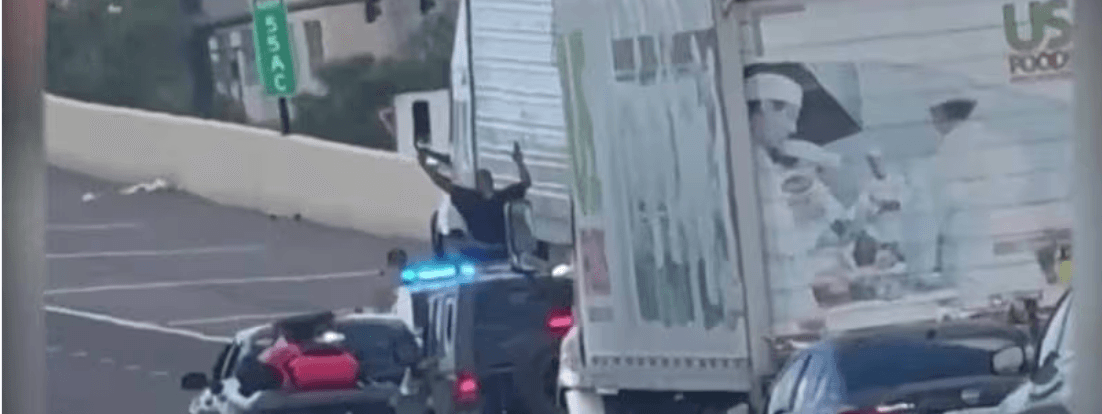
A Seminole County judge has closed out the I-4 bomb scare case with probation for the Tennessee truck driver accused of setting off the highway shutdown that rattled Lake Mary commuters and drew a bomb squad response.
Kelvin Harp, 49, pleaded no contest June 2 and was sentenced to 18 months of probation. The court also removed his GPS monitor and ordered 50 hours of community service and an 8-hour anger-management course, ending a case that left eastbound Interstate 4 tied up near mile marker 101 for about 90 minutes.
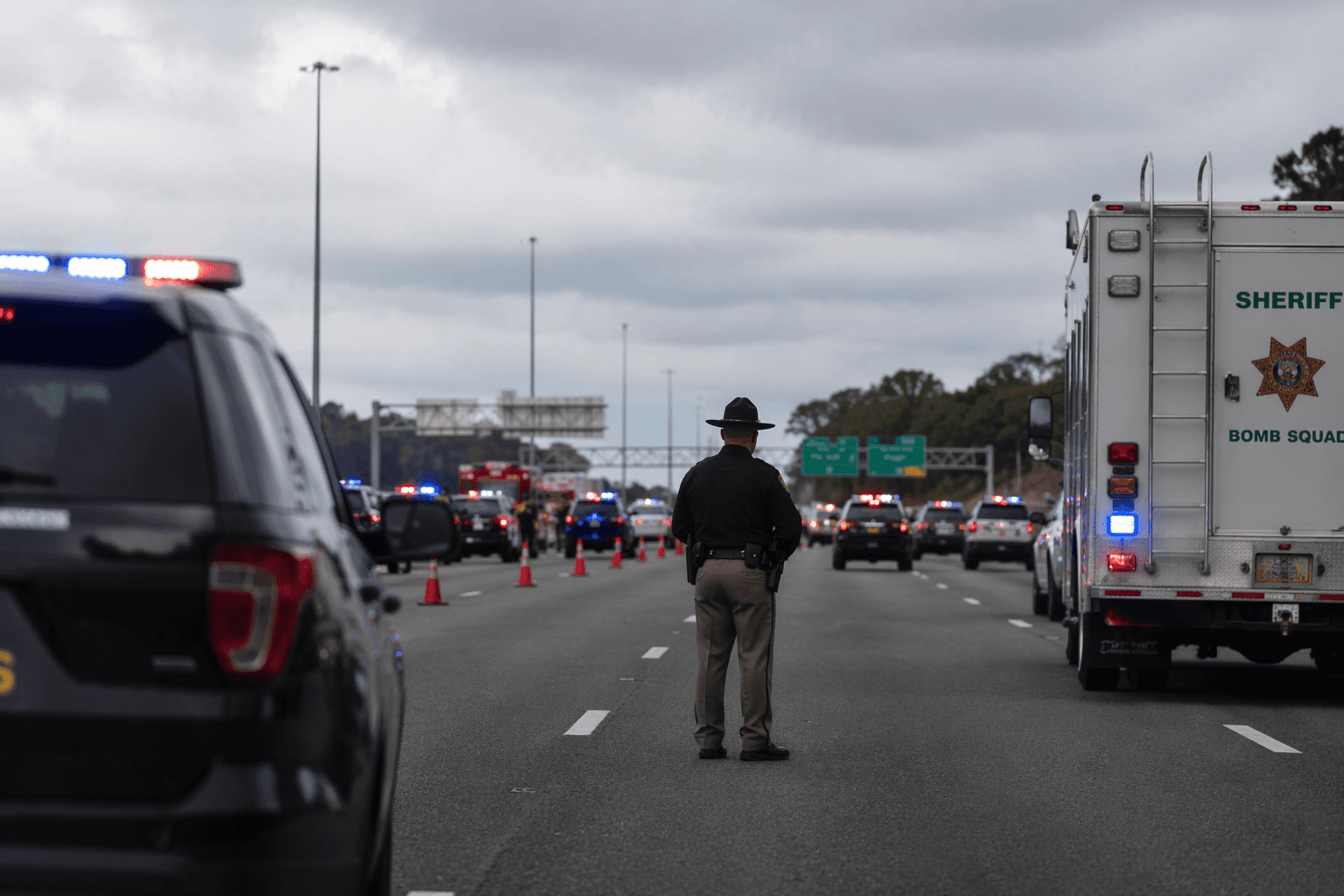
The trouble began April 3, when the Florida Highway Patrol was alerted after Harp told his trucking company that he had bombs in his semi-truck. Troopers stopped the vehicle on eastbound I-4 near County Road 46A, by the Seminole Towne Center area in Lake Mary, and closed lanes while the Seminole County Sheriff’s Office bomb squad checked the truck.
No explosives were found. Even so, the scare was serious enough to force a major response from law enforcement and to snarl traffic on one of Central Florida’s busiest commuter corridors, where backups can quickly spread through Seminole County and beyond.
Court records showed Harp faced multiple charges, including making a false bomb report, making terrorist threats, threatening to discharge a destructive device, and falsely reporting a bomb or weapon of mass destruction. Earlier records also reflected a total bond of $105,000 before the case moved toward resolution.
The plea means Harp did not formally admit guilt in open court, but the sentence leaves him under supervision and subject to probation conditions. For drivers who were caught in the shutdown on I-4, the case is likely to stand as a reminder that a threat call can trigger a full emergency response even when the danger turns out to be unfounded.
For Seminole County, the outcome resolves a case that tested the region’s public-safety response on a major highway and showed how quickly a single report can ripple from a traffic stop into a law-enforcement operation, a closed roadway and a criminal case that stretched on for weeks.
This article was produced by Prism’s automated news system from verified source data, official records, and press releases, then run through automated quality and moderation checks before publishing. The system is built and supervised by the people who set the standards it runs under. Read our full AI policy.
Know something we missed? Have a correction or additional information?
Submit a Tip