Seminole County property taxes jump 77% as population barely grows
Seminole County property tax revenue climbed 77% in six years while population grew only about 4% to 5%, forcing homeowners to ask where the money went.
What did Seminole County homeowners get for a 77% jump in property tax revenue when the county’s population grew only about 4% to 5%?
County budget documents show the answer starts with the housing market, not a surge in head count. In the county’s FY 2018/19 adopted budget message, officials said taxable property values had risen for the sixth straight year, averaging 6.5% annual growth over the previous five years. By March 26, 2024, county budget staff said Seminole County had about 475,000 residents spread across 344 square miles, with a total tax roll of roughly $49.6 billion.
That tax base is heavily residential. County materials said 67% of the roll was residential property and 33% commercial. They also said 31% of housing units were non-homesteaded, apartment occupancy was running between 94% and 96%, and rents were rising 3% to 5% year over year. Those conditions help explain why property tax collections can outpace population growth in Sanford, Oviedo, Longwood and the unincorporated parts of Seminole County.
The county’s FY 2024/25 adopted budget said property taxes made up 51% of countywide revenues. It also said an 8.0% increase in property values generated a $26 million revenue increase across the General Fund, Fire Fund and Roads Fund. In the county’s annual financial report for the year ended Sept. 30, 2024, property tax collections rose by $30.7 million, or 10.3%, as assessed values increased from $44.8 billion to $49.5 billion, a 10.5% jump in the FY 2024 tax roll.
After years of avoiding rate hikes, the Seminole County Board of County Commissioners approved the first property tax increase in 16 years in September 2025. The rate rose by 50 cents per $1,000 of taxable value, with county leaders saying the move was needed to close a $35 million budget shortfall and preserve core services such as public safety, libraries and parks. Some residents warned the higher bill could strain affordability and weaken the county’s appeal to buyers.
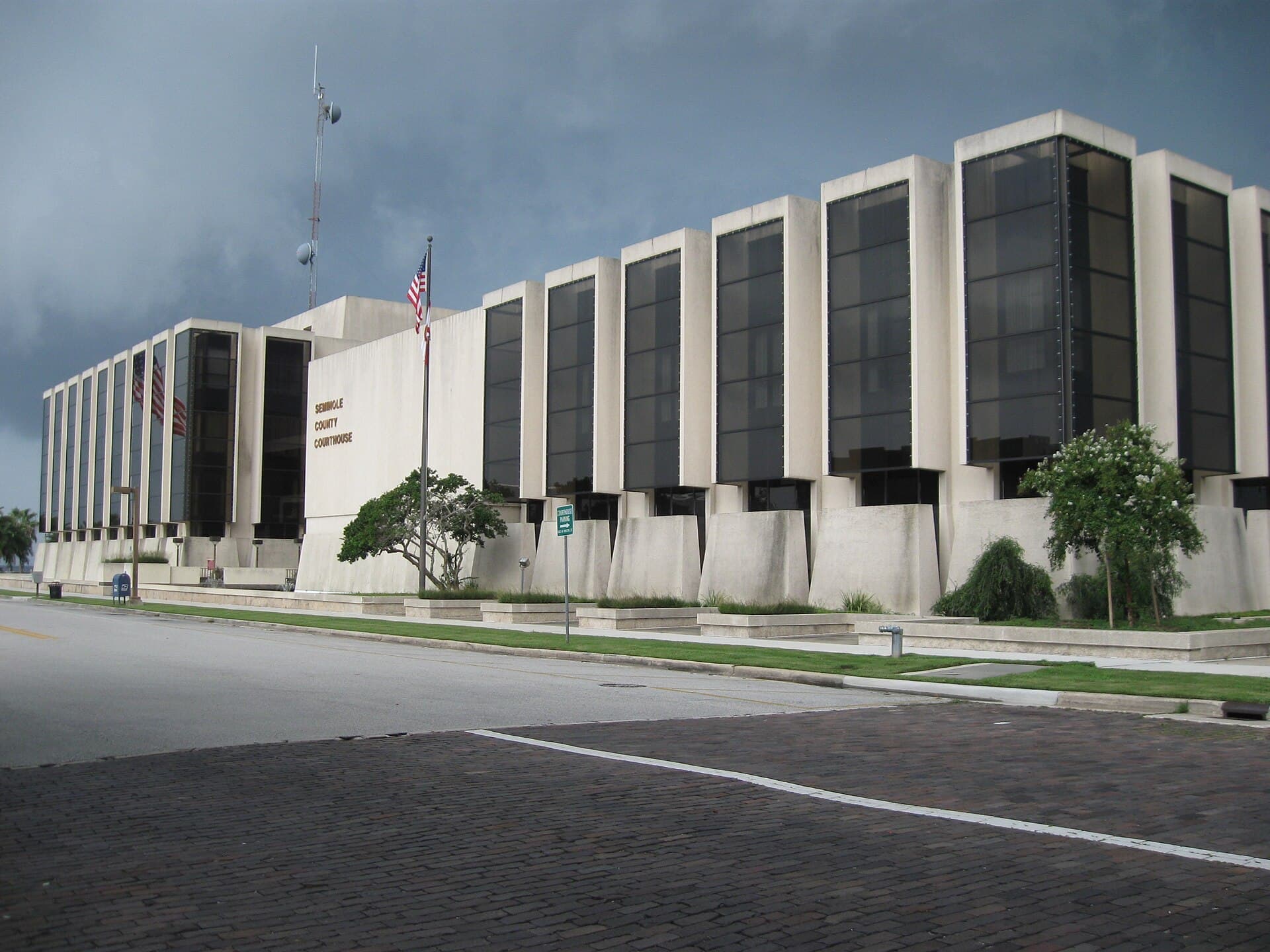
The county’s tax calendar adds another layer to the debate. The first public hearing is tied to the TRIM notice mailed in August, and early-payment discounts plus Value Adjustment Board changes mean not every levied dollar is collected in full. For Seminole County homeowners, the central question remains the same: how much more are they paying, and what measurable return are they seeing for it?
This article was produced by Prism’s automated news system from verified source data, official records, and press releases, then run through automated quality and moderation checks before publishing. The system is built and supervised by the people who set the standards it runs under. Read our full AI policy.
Know something we missed? Have a correction or additional information?
Submit a Tip