Seminole County steps up crackdown on homes in disrepair
Seminole County is using code enforcement to push neglected homes into compliance, with notices, fines, liens and even demolition now on the table.
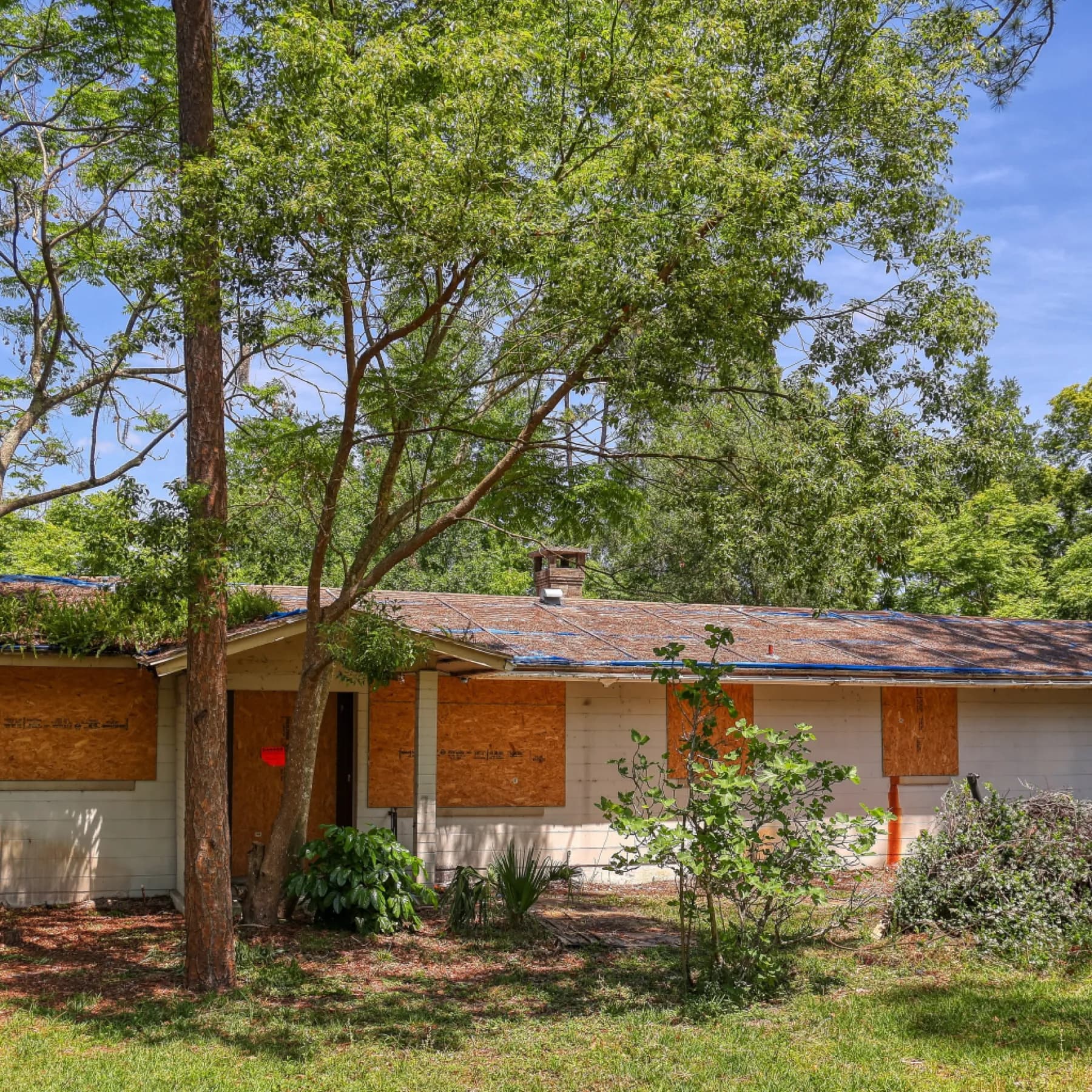
Seminole County is drawing a harder line on homes in disrepair, especially in Sanford and older neighborhoods where long-neglected properties have become repeat code cases. The county has moved from a mostly complaint-driven posture toward a more forceful effort to make owners fix violations, or face escalating penalties that can end in demolition.
What triggers county action
The county’s enforcement push centers on properties with conditions that threaten neighborhood quality or safety: visible structural damage, unsafe conditions, overgrowth, trash, abandoned vehicles, rubbish, uncultivated vegetation, long-term vacancy and other signs of neglect. In Sanford, WFTV described vacant, dilapidated homes along Greenway Avenue, Lincoln Street and State Road 46 as eyesores and a haven for criminals, underscoring the kind of blight that tends to draw attention.
Seminole County has also shown it will intervene when a house becomes a persistent nuisance. In April 2024, the county told the owners of a “nightmare” home in the Loch Arbor neighborhood in Sanford to fix it or face demolition. That property had drawn the Seminole County Sheriff’s Office at least 161 times since 2021, a measure of how quickly a neglected home can turn into a repeated public-safety problem for nearby residents.
What happens once a case is opened
Code enforcement in Seminole County runs through the Development Services department, which handles the county’s process for identifying violations, issuing notices and bringing cases forward. A July 9, 2026 agenda for the Code Enforcement Special Magistrate shows how the process works in practice: a case involving property at 2054 Sipes Avenue in Sanford was listed with a posted notice of hearing, a named code enforcement officer and a specific tax parcel number.
That hearing schedule matters because it shows the county is not waiting for properties to improve on their own. Once a case reaches the board or special magistrate, the county can require repairs, cleanup or other corrective action, and it can set follow-up hearings if the owner does not comply. A February 24, 2022 Code Enforcement Board agenda also showed repeat cases, including one in Altamonte Springs, which makes clear these are not one-time disputes but recurring enforcement matters.
The penalties can grow fast
Seminole County’s enforcement history shows that the financial stakes can be substantial. In 2019, the Orlando Sentinel reported that the county had $53 million in outstanding liens and was redesigning code enforcement to encourage compliance. That was an early sign that fines alone were not always enough to move owners to act, especially in cases where properties sat in limbo for years.
The county has also taken a tougher stance on fines in foreclosed-property cases. WFTV reported that some homeowners were upset that banks were getting greatly reduced fines on foreclosed properties, a reminder that enforcement can become contentious when ownership changes hands or a property is tied up in foreclosure. In one 2024 county agenda item, officials considered a request to reduce a Code Enforcement Board lien of $56,400 to $5,000 on a property on Leonard Street in Altamonte Springs, showing how quickly unpaid enforcement costs can pile up and how often owners later seek relief.
Long-running nuisance cases can become even more expensive. FOX 35 Orlando reported one Sanford nuisance property that had been in disrepair for nearly 13 years and owed more than $1.15 million in tax liens. In practical terms, that means a neglected house can shift from a neighborhood nuisance into a major financial liability that follows the property for years.
When the county goes all the way to demolition
Demolition is not the first step, but Seminole County has shown it is willing to use it when a property is too far gone. In April 2024, county officials told the owners of the Loch Arbor “nightmare” home to fix it or face demolition. That same year, WKMG reported that the county began the process to remove asbestos and demolish a home described as “rat infested,” indicating that dangerous interior conditions can accelerate the county’s response.
Those cases matter for nearby homeowners because they define where the county is drawing the line. Properties that are merely messy may face cleanup orders, but houses with deep structural deterioration, public-safety hazards or pest problems can move into demolition territory. That is the point at which the county’s interest shifts from compliance to removal.
Where hearings happen and how owners can push back
Code enforcement hearings are public, and the county’s July 9, 2026 special magistrate agenda places them at the County Services Building, 1101 E. First Street in Sanford, in BCC Chambers, Room 1028, at 9 a.m. That is the clearest public venue in the county process for owners who want to contest a violation, ask for time to comply or respond to fines.
Owners also have a path to appeal final decisions. The Seminole County Clerk of the Circuit Court & Comptroller says a Notice of Appeal must be filed within 30 days from the date the final judgment or order is signed. That deadline makes timing critical for anyone who wants to challenge a code-enforcement ruling rather than simply accept the county’s terms.
In some cases, the better path is compliance rather than litigation. County agendas show the board regularly hears repeat cases, extends deadlines and imposes fines when corrections are not made. A January special-magistrate summary in the search results showed the county ordering multiple property owners to obtain permits or face daily fines, which is the kind of step-by-step pressure owners can expect when violations remain unresolved.
Why the crackdown cuts both ways
The county’s tougher stance can help neighboring blocks by removing abandoned vehicles, trash, pest problems and visibly unsafe structures before they spread blight. It also sends a signal that long-ignored maintenance problems are no longer likely to sit untouched for years, which matters in places like Loch Arbor, Sanford’s older corridors and other neighborhoods where one bad property can drag down several nearby homes.
But the enforcement line can also sweep in owners who are elderly, low-income or simply overwhelmed by legal and financial problems. Seminole County has had to balance neighborhood expectations with the reality that some homes fall into disrepair because of foreclosure, inheritance disputes or a lack of money for repairs. The county’s challenge is to keep blocks safe and livable without turning code enforcement into a blunt instrument that punishes people who need help getting back into compliance.
This article was produced by Prism’s automated news system from verified source data, official records, and press releases, then run through automated quality and moderation checks before publishing. The system is built and supervised by the people who set the standards it runs under. Read our full AI policy.
Did this article answer your question?