Seminole County urges hurricane prep as season begins June 1
Seminole County wants residents stocking water, batteries and medications now, after Irma cut power to 158,000 homes and businesses and exposed the cost of waiting.

Seminole County emergency officials are pressing residents to prepare now, before a storm takes shape in the Atlantic and shelves start emptying across Central Florida. NOAA’s 2026 outlook calls for a 55% chance of a below-normal season, but forecasters still expect 8 to 14 named storms, 3 to 6 hurricanes and 1 to 3 major hurricanes between June 1 and Nov. 30.
The message from county officials is simple: do not wait until a storm is named. Families in Winter Springs, Sanford, Altamonte Springs, Oviedo, Longwood, Casselberry and Lake Mary are being urged to buy water, food, batteries and medications early, then pack flashlights, important documents and other essentials into a hurricane kit before stores are stripped bare and roads turn crowded. Leah Weisman, a Winter Springs resident, said she is already thinking about what she can do now so she is not caught scrambling later.
Seminole County’s own preparedness resources push the same checklist: make a family plan, build a disaster kit and sign up for Alert Seminole, the county’s free emergency notification system that can send alerts by text, phone or email. The county also says it offers two types of evacuation shelters, general population shelters and medically enhanced shelters for special-needs residents, and that some shelters are pet-friendly.
Steven Lerner of the Seminole County Office of Emergency Management has emphasized that every tropical system deserves attention because a storm that looks manageable at first can still damage homes, neighborhoods and infrastructure. That warning carries added weight in a county with an estimated 491,884 residents in July 2025, a population large enough to strain roads, pharmacies, gas stations and communication systems quickly once a storm threat becomes real.
Seminole County’s flood information also makes clear that the threat is not limited to a direct hurricane strike. Heavy rainfall during seasonal thunderstorms can flood low-lying areas, and storm surge from tropical storms and hurricanes can bring water into places that do not usually flood. The county’s history pages point to the consequences: Hurricane Matthew brought damaging winds, localized flooding and widespread disruption, with six open shelters and primary sandbag operations, while Hurricane Irma left 158,000 Seminole County homes and businesses without power. FEMA later approved $14,384,335 to help defray response and cleanup costs.
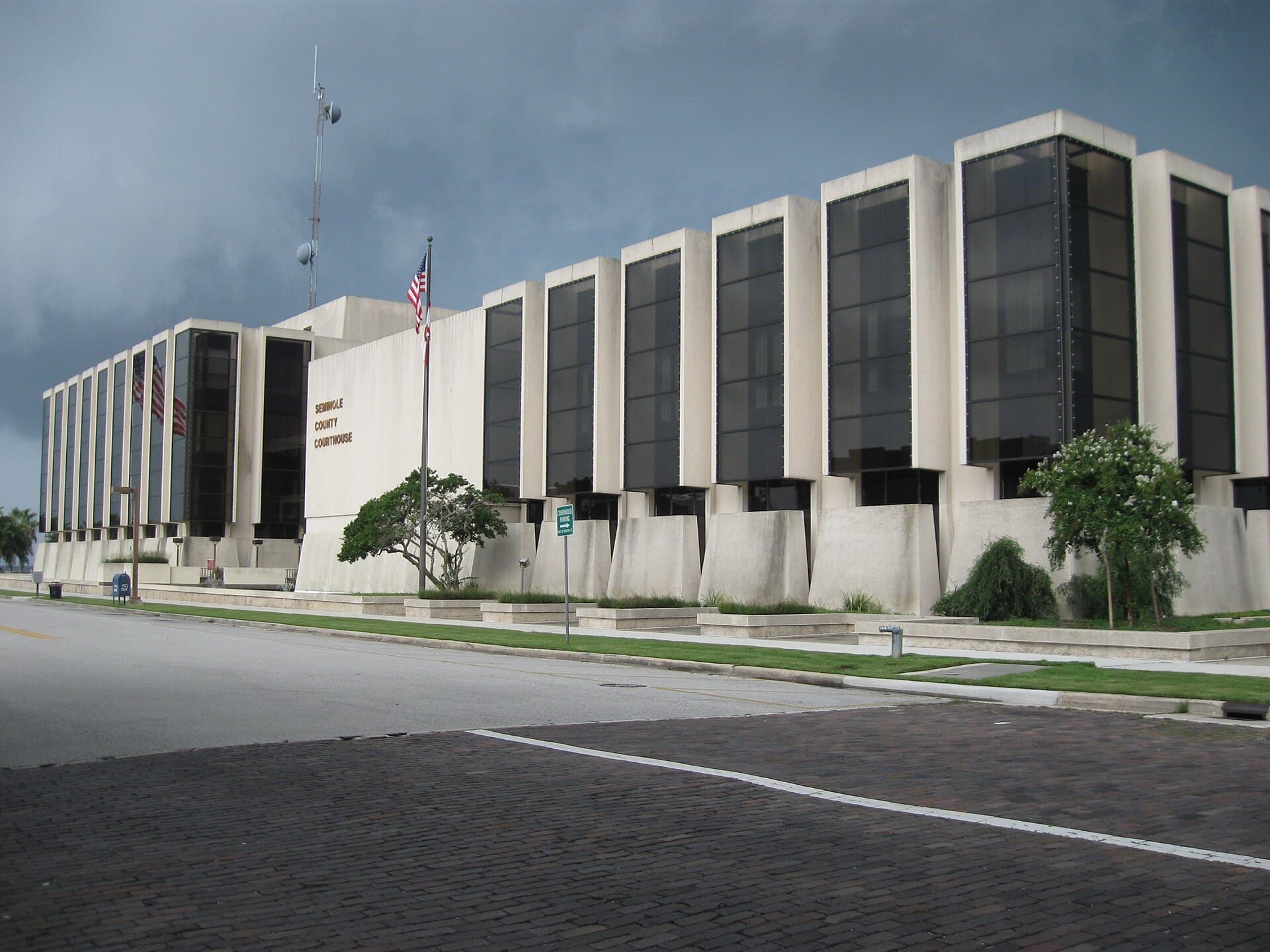
For Seminole County, the lesson is not academic. The season has started, the forecast still leaves room for dangerous storms, and the county is betting that early preparation will keep the next major outage, flood or evacuation from becoming a repeat of the last one.
This article was produced by Prism’s automated news system from verified source data, official records, and press releases, then run through automated quality and moderation checks before publishing. The system is built and supervised by the people who set the standards it runs under. Read our full AI policy.
Did this article answer your question?