Seminole County urges mosquito prevention as peak season approaches
Seminole County says mosquito activity is still low, but heat and summer rain are expected to drive it up, and residents can request treatment for problem areas.
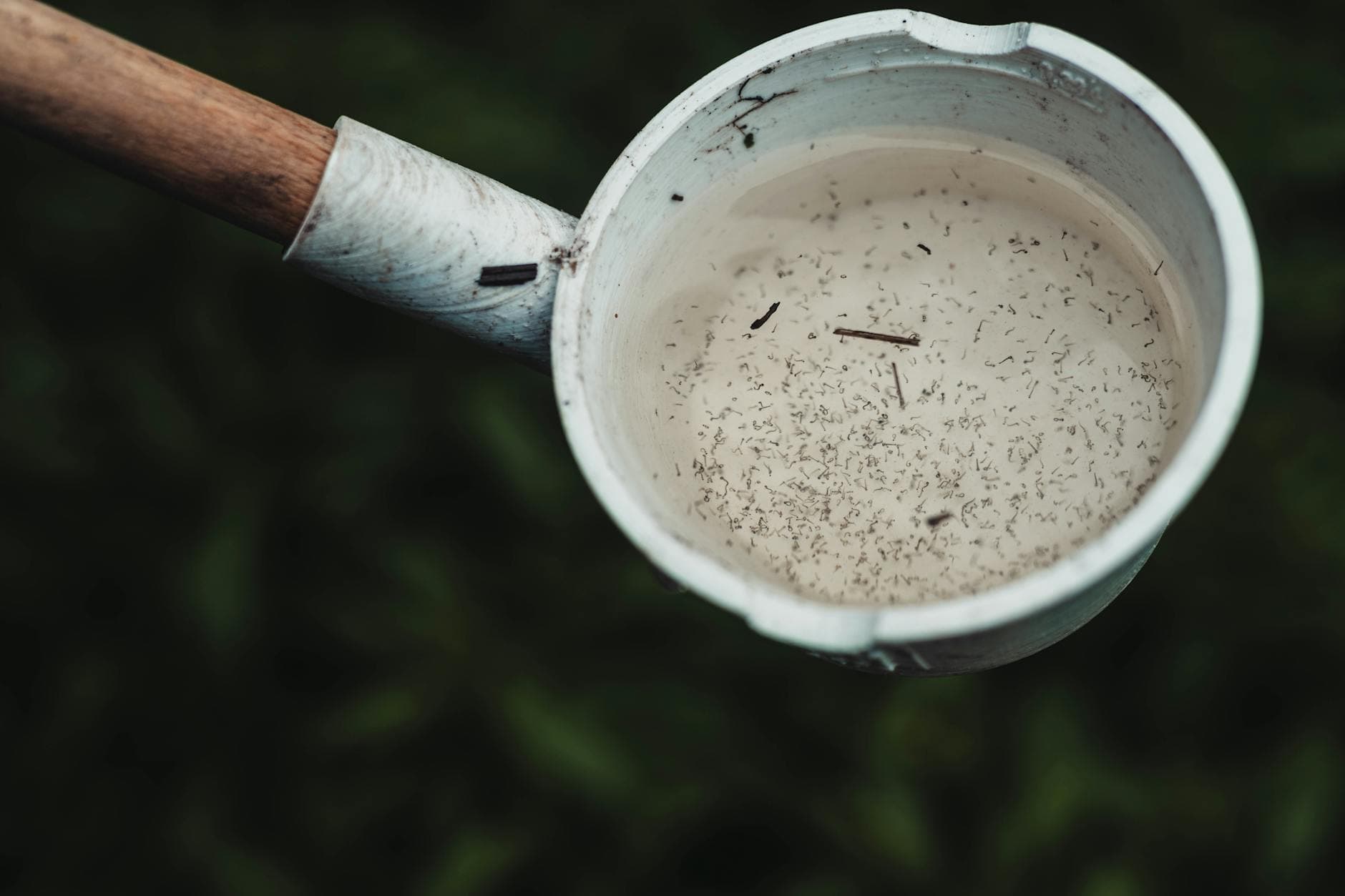
Seminole County is warning that mosquito season is about to turn, even though activity is still relatively low now. With temperatures rising and the summer rainy season approaching, county officials say the risk of mosquito activity will increase across Central Florida.
The county is urging residents to act before standing water and warm weather give mosquitoes more places to breed. Its advice is straightforward: use insect repellent when outdoors, drain water from flowerpots, buckets, tarps and toys, clean gutters and birdbaths, and keep pools properly maintained. Florida Department of Health guidance adds pool covers, coolers and other containers to the list of places where water can collect and support mosquito growth.
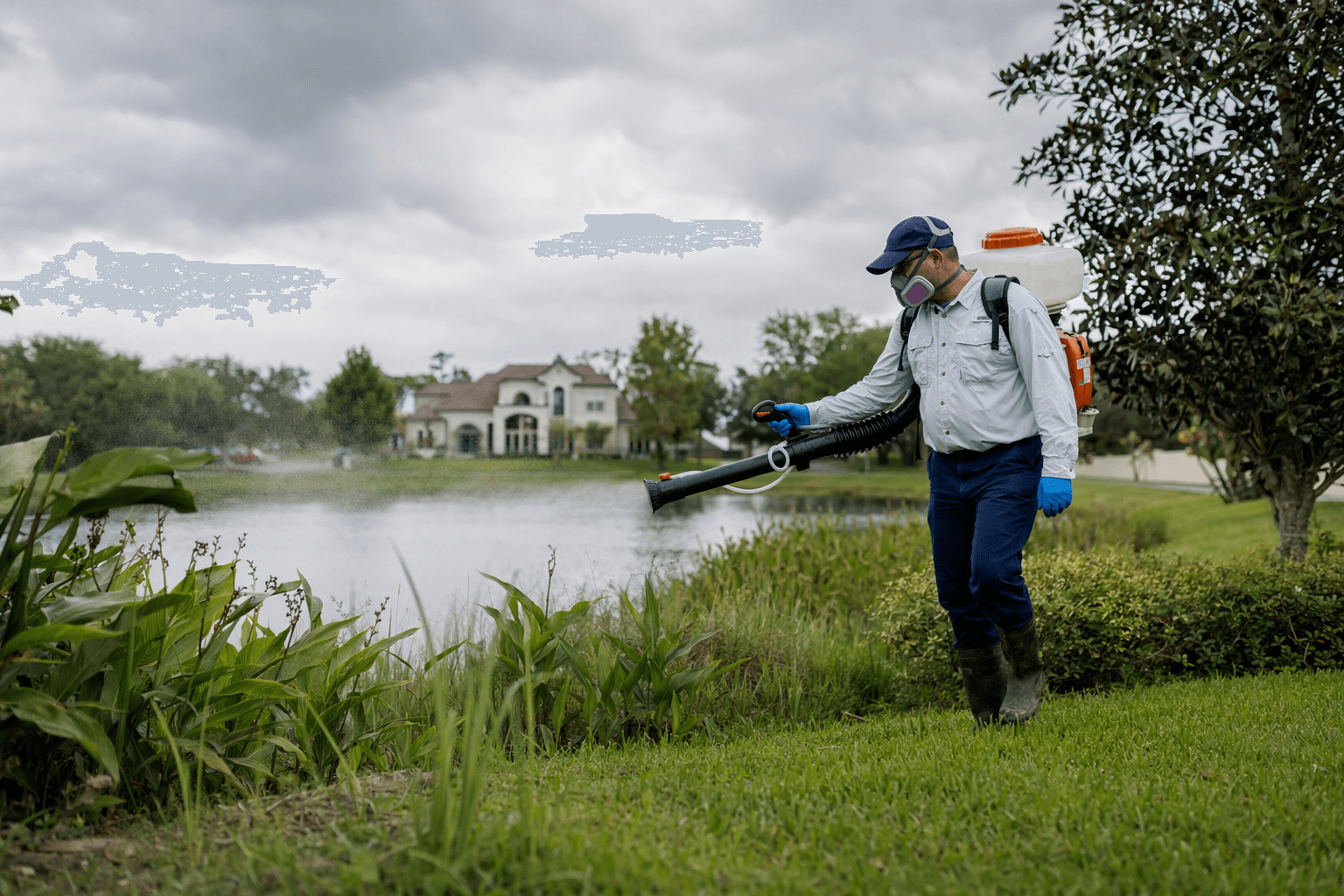
Seminole County says residents can request mosquito control treatment for their area, a direct way to flag neighborhoods or properties where mosquitoes are becoming a problem. The county’s Mosquito Control Program sits within the Watershed Management Division of the Environmental Services Department, and officials describe its mission as environmentally safe, effective and economically responsible mosquito control for Seminole County.
Beyond neighborhood response, the county says the program is built to help prevent the transmission of West Nile virus, encephalitis and other mosquito-borne diseases. It relies on a mix of full-time and seasonal employees, along with contractors who handle aerial mosquito control operations. That structure matters as peak season nears, because mosquito management in Seminole County is not just about backyard cleanup. It also depends on surveillance and active response when disease risks rise.
Florida health officials say mosquitoes in the state can spread West Nile virus, Eastern equine encephalitis and St. Louis encephalitis, and they warn that mosquito-borne illnesses can range from mild to very severe. The state also notes that diseases such as dengue, chikungunya, malaria, yellow fever and Rift Valley fever can be introduced into Florida if infected people or animals are bitten locally.
Seminole County and the Florida Department of Health in Seminole County maintain arbovirus surveillance and a disease response plan that can be activated when suspected cases of dengue, malaria, chikungunya, Zika, West Nile, Oropouche, Eastern Equine Encephalitis, Highlands J or St. Louis Encephalitis are reported. As the rainy season builds, county officials are putting prevention and monitoring at the center of their mosquito fight.
Know something we missed? Have a correction or additional information?
Submit a Tip