Winter Springs warns homestead amendment could cut $4 million in revenue
Winter Springs says a homestead tax amendment could wipe out $4 million a year, forcing choices on police, parks and road repairs.

Winter Springs leaders are warning that a proposed homestead exemption amendment could pull about $4 million a year from the city’s budget, a hit that would land first in the services residents use every day. Mayor Kevin McCann said the city now receives close to $10 million annually in property tax revenue, and losing roughly 40% of that would force a hard look at police, parks, road maintenance, administrative services and other city functions.
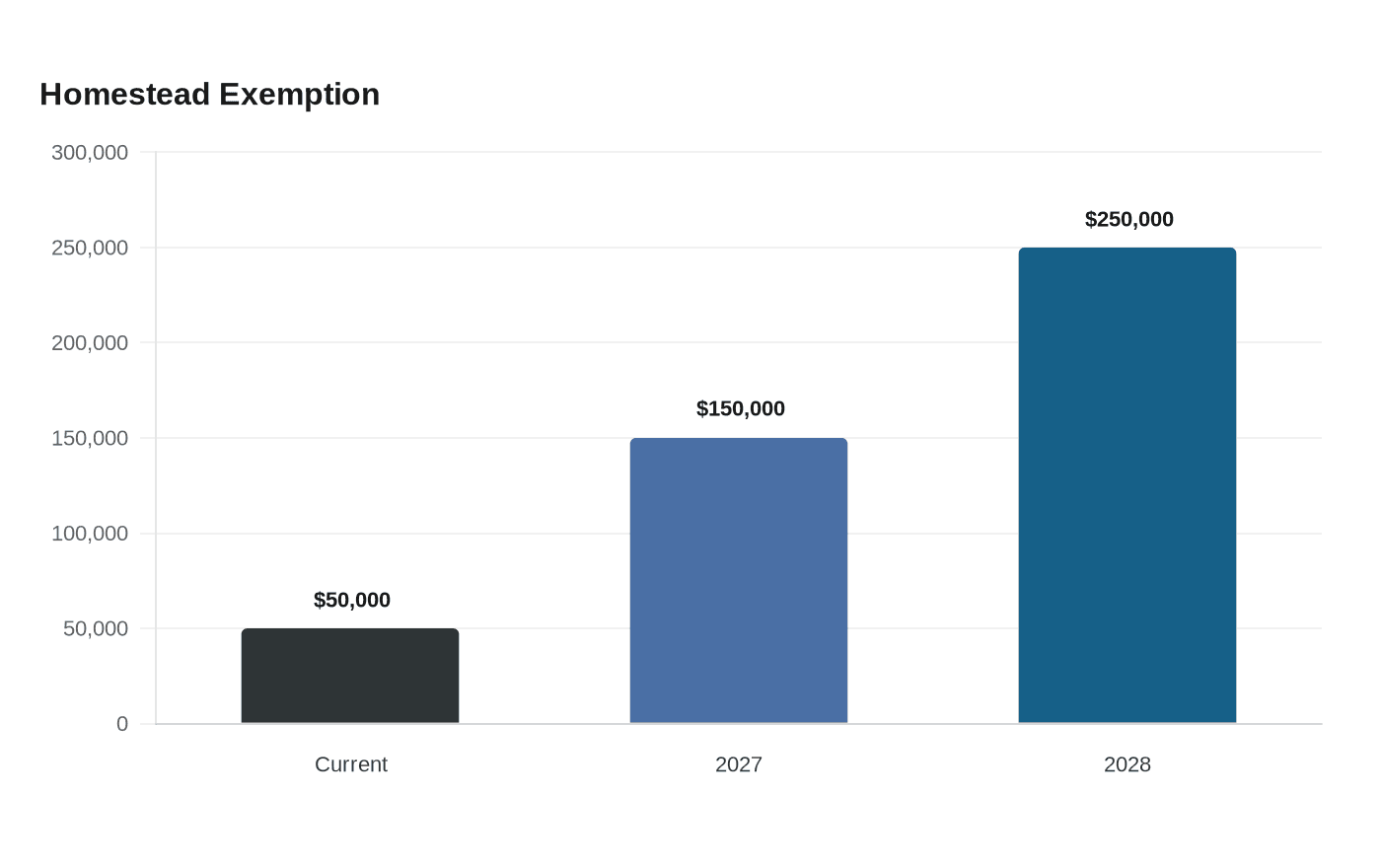
The issue is no longer just a statehouse debate in Tallahassee. The Florida Legislature approved HJR 1F on June 2, putting the measure on the November 2026 ballot, where it needs 60% voter approval to pass. If approved, the amendment would raise the homestead exemption for non-school taxes from $50,000 to $150,000 on January 1, 2027, then to $250,000 in 2028. School taxes would not be affected, but counties, cities and special districts would face the loss of revenue tied to the higher exemption.

Winter Springs is treating the prospect as a real budget threat because property taxes remain one of the city’s main locally controlled revenue sources. The city adopted a fiscal 2026 budget of $79,623,211 and set its final operating millage rate at 2.62 mills. City budget documents also show a projected $538,889 increase in general-fund property-tax revenue at the proposed millage rate, before any new state-level change is layered on top.
That is why city officials are already weighing what a $4 million annual drop could mean for day-to-day operations and response times. The question is not abstract for Winter Springs, where even a relatively small shift in tax collections can ripple through staffing, maintenance schedules and the pace of city programs. Florida Policy Institute has said the proposal could put billions of dollars in local revenue at risk for counties, municipalities and special districts.
For homeowners, the amendment could look like a meaningful tax break. For Art Gallo, who said he pays roughly $5,000 a year in property taxes, the appeal is obvious, but so is the tradeoff if city services start to thin out. Winter Springs officials are now trying to quantify that balance before voters decide in November, when the city’s budget picture could change in a hurry.
This article was produced by Prism’s automated news system from verified source data, official records, and press releases, then run through automated quality and moderation checks before publishing. The system is built and supervised by the people who set the standards it runs under. Read our full AI policy.
Did this article answer your question?