After Duluth shootings, advocates urge safer gun storage, access limits
Three recent shootings in Duluth have pushed gun-safety advocates and owners to urge locks, unloaded storage and tighter access as police say the cases are unrelated.

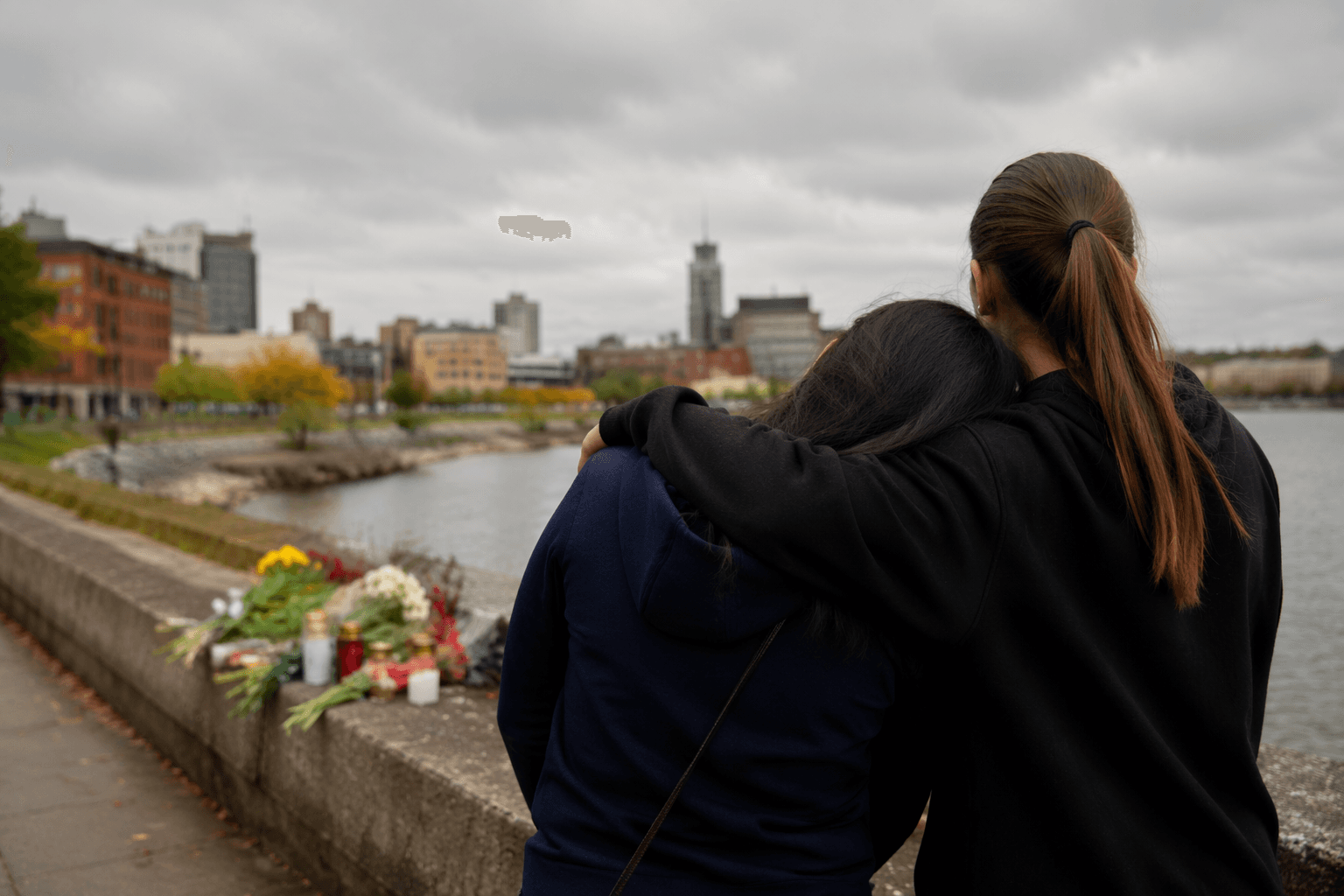
Three separate shootings in Duluth have put firearm access back at the center of a citywide safety push, with police saying the incidents do not appear to be connected and city leaders warning that young people are too often the ones left exposed when guns are easy to reach. Mayor Roger Reinert and Police Chief Mike Ceynowa said the violence had shaken the community, and Ceynowa later said he was responding to four recent acts of violence involving youth in the city.
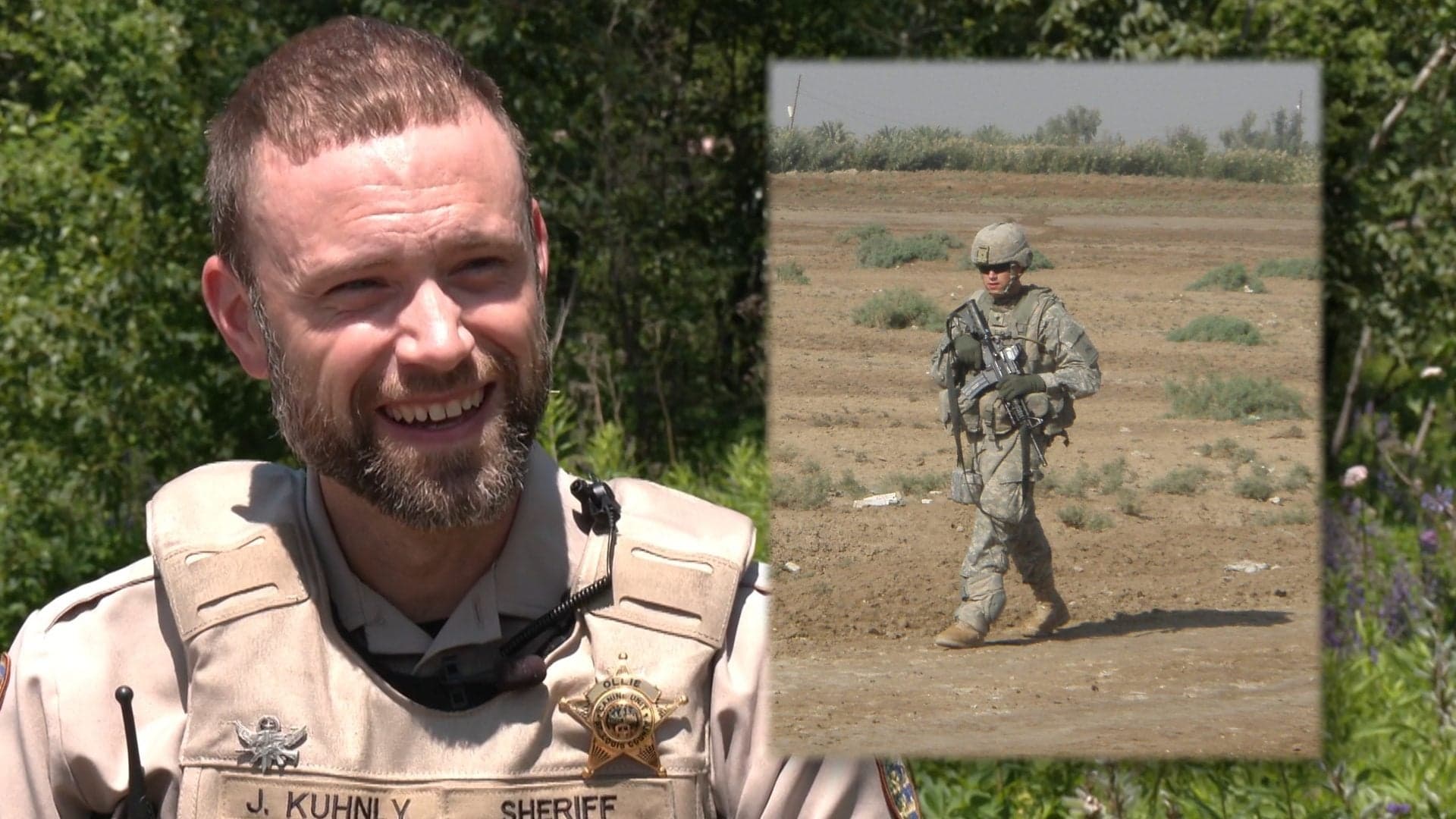
The message from both gun-safety advocates and some gun owners is the same on the basics: keep firearms locked, unloaded and stored away from ammunition. Brady United Against Gun Violence says that is the core of safe storage, while Protect Minnesota says its work centers community voices in gun-violence-prevention efforts. A local gun seller featured in the discussion framed the issue less as politics than responsibility, especially in homes where children or visiting friends may be able to reach a weapon.
Minnesota law gives that advice legal weight. Under state statute 609.666, negligent storage of firearms applies to a child under 18, and the law defines a loaded gun as one with ammunition in the chamber or magazine, with limited exceptions. The statute is designed to prevent a child who is likely to gain access from getting hold of a loaded firearm, making safe storage more than a household preference in Minnesota.
The state also has an Extreme Risk Protection Order process for cases where warning signs are already present. Petitions can be filed by law enforcement, city or county attorneys, certain family or household members or a guardian, but they must allege that the person poses a significant danger of bodily harm to others or is at significant risk of suicide by possessing a firearm. Minnesota waives filing fees for ERPO petitions and provides service without charge to the petitioner.
The policy landscape is broader than one city. RAND said that as of Jan. 1, 2025, 35 states and the District of Columbia had child-access-prevention laws, and 26 states plus the District of Columbia had negligent-storage laws. In Minnesota, a July 2025 implementation guide from the Johns Hopkins Center for Gun Violence Solutions and the Violence Prevention Project Research Center at Hamline University underscored that the ERPO system remains a live tool for keeping guns away from people in crisis while families, officers and attorneys look for ways to stop the next youth from getting access.
This article was produced by Prism’s automated news system from verified source data, official records, and press releases, then run through automated quality and moderation checks before publishing. The system is built and supervised by the people who set the standards it runs under. Read our full AI policy.
Did this article answer your question?