St. Louis County deputy traces path from Army to local service
Jason Kuhnly’s route from Army infantry to 13 years with the St. Louis County Sheriff’s Office shows how local policing is built on service, memory and daily duty.
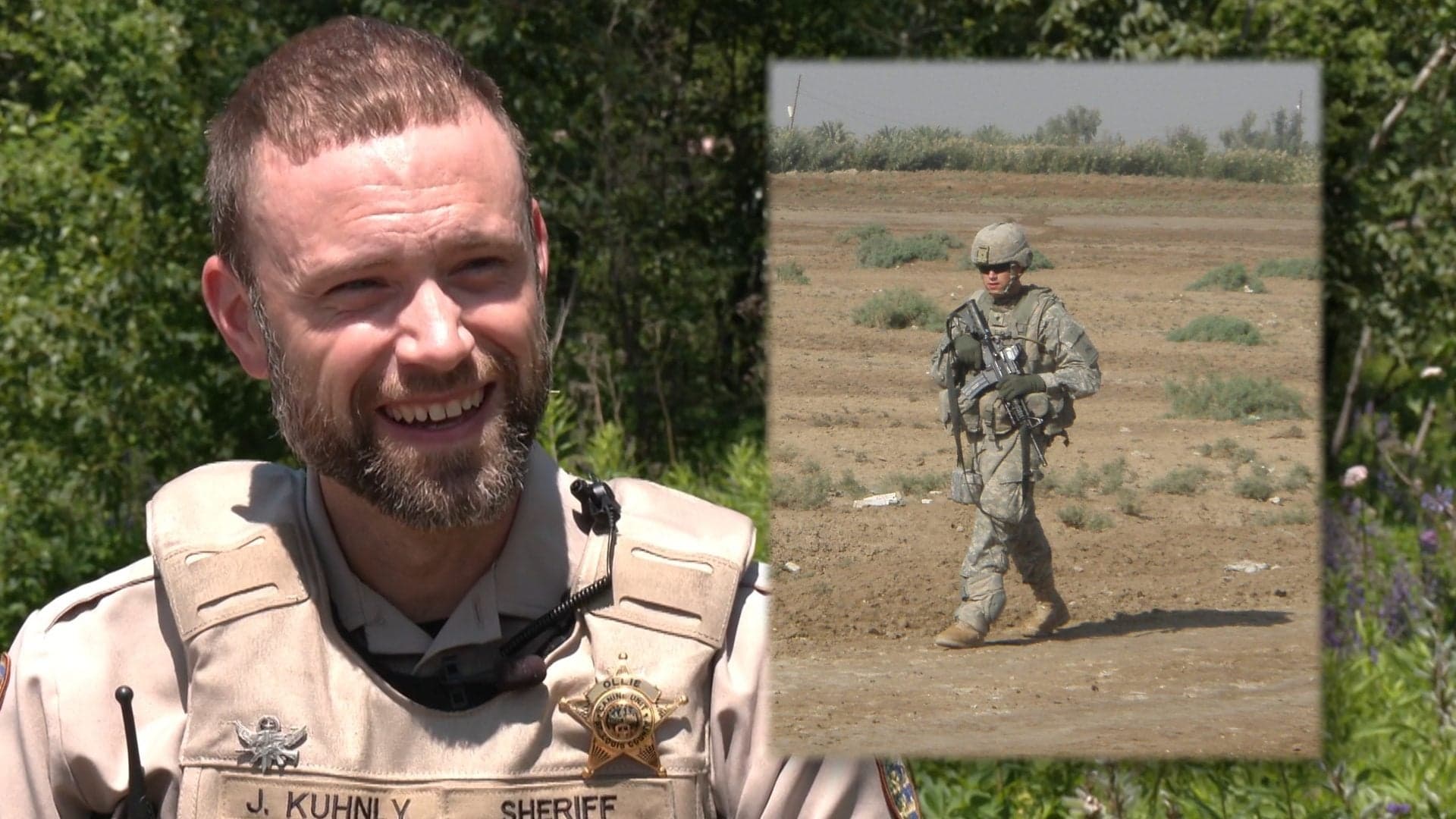
Jason Kuhnly’s path to the St. Louis County Sheriff’s Office began with a childhood drive to serve and took shape in the U.S. Army before it ever reached a county badge. At 18, he enlisted through a local recruiter, went from boot camp to Baumholder, Germany, with the 1st Armored Division, and later spent 15 months in Iraq on foot patrols where improvised explosive devices and surprise attacks were part of daily reality.
That military chapter did more than mark time in uniform. It gave him a firsthand view of danger, discipline and the burden of protecting other people, then sent him back to Minnesota after nearly four years in the Army with a clearer idea of what he wanted next: to keep serving, but at home, in the community where he grew up.
From battlefield lessons to county service
Kuhnly’s move from overseas deployments to local law enforcement is the heart of his career. He has now served 13 years at the St. Louis County Sheriff’s Office, and public salary records list him as a deputy sheriff from 2019 to 2024, with a 2024 annual salary of $132,756. Those records underscore something residents often miss when they see only a patrol car or a uniform: county law enforcement is also a long-term public job, built on retention as much as recruitment.
His Army experience with the 1st Armored Division helps explain the way he talks about duty without turning it into abstraction. In Iraq, the work was immediate and unforgiving, and the stakes of every movement were visible on the ground. Bringing that mindset back to St. Louis County meant choosing a profession where the mission is still protection, but the setting is streets, highways, homes and rural roads instead of combat zones.
What residents actually see
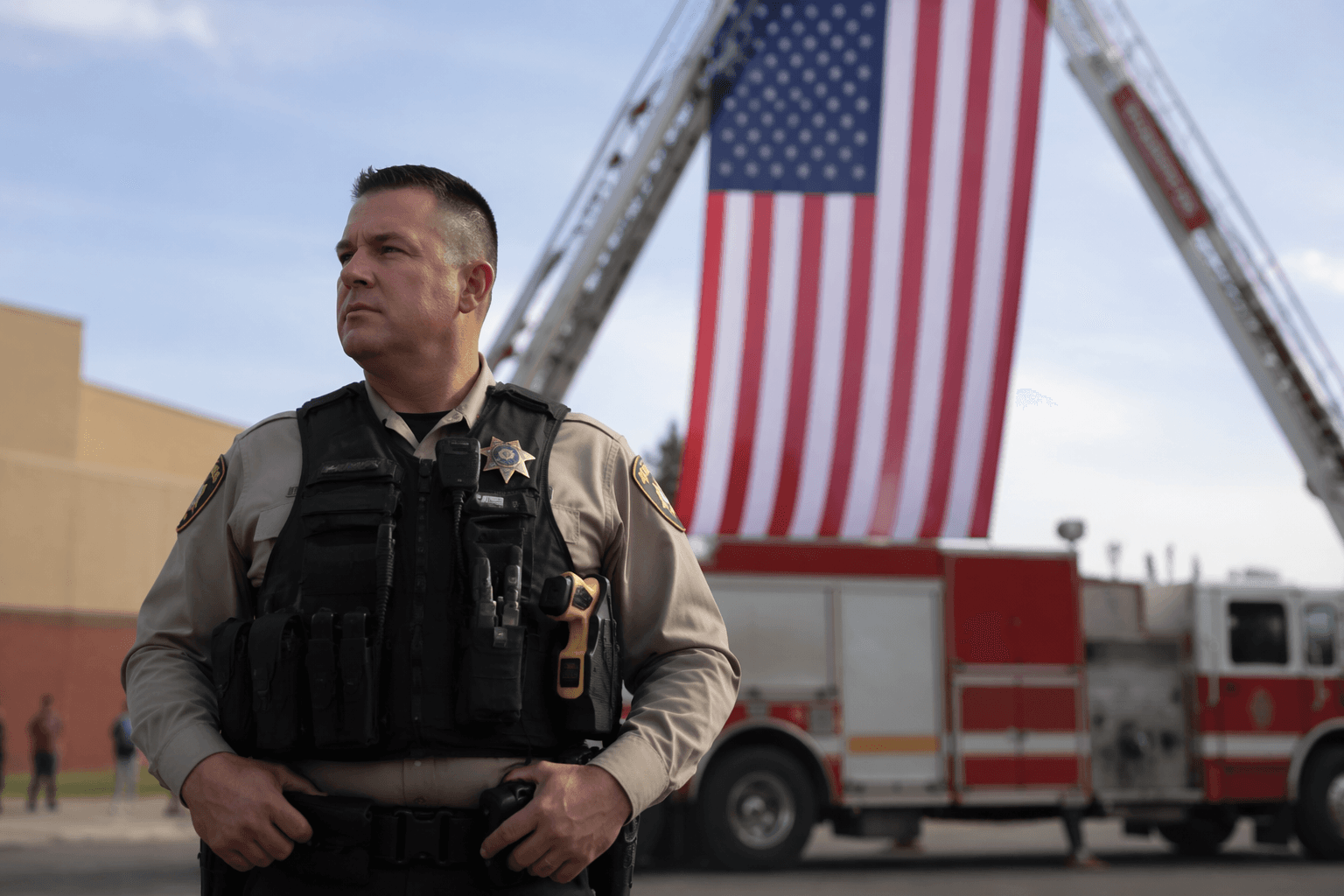
For most people in St. Louis County, the sheriff’s office becomes visible in moments of crisis, not on ordinary days. One of the clearest examples came in February 2021, when the Minnesota Bureau of Criminal Apprehension identified Kuhnly as the deputy who fired his weapon during a northern Minnesota carjacking case after 34-year-old Scott Michael Jordon allegedly carjacked a woman and her 16-year-old son at gunpoint near Pike Lake. That kind of incident shows the sharp edge of the job: fast decisions, uncertain conditions and the expectation that deputies will move toward danger when everyone else is trying to get away from it.
The same public-facing reality also includes accountability. On July 29, 2025, the St. Louis County Sheriff’s Office released body-worn and squad video from an officer-involved shooting that took place in Normanna Township on July 15, 2025. In a county where residents expect both safety and transparency, those releases are part of the same service equation, because the public does not just see outcomes, it also sees how those outcomes are documented.
A K-9 named for a fallen friend
Kuhnly’s military ties are also present in a more personal piece of the sheriff’s office: K-9 Ollie. The dog joined the St. Louis County Sheriff’s Office in June 2025, was born on April 12, 2024, and is a dual-purpose K-9 trained for narcotics detection, criminal apprehension, handler protection, tracking, evidence, and suspect location. The name was chosen to honor Staff Sgt. Michael Ollis, a soldier Kuhnly served with in Iraq.
That detail turns the K-9 unit into more than a specialty assignment. It links the day-to-day work of the sheriff’s office, searches, patrols, arrests and evidence recovery, to a personal history shaped by military service and loss. Ollie is a working dog, but the name carries the memory of the friend whose service still frames Kuhnly’s understanding of duty.
Why Michael Ollis still matters to this story
Michael Ollis was a staff sergeant in the U.S. Army’s 10th Mountain Division. He died on August 28, 2013, in Ghazni Province, Afghanistan, while protecting a wounded Polish officer from a suicide bomber, and the White House posthumously awarded him the Medal of Honor on March 2, 2026. Posthumous Medal of Honor recipients are rare, and Ollis’s story has also become a point of renewed tribute in Poland, where his sacrifice is remembered as part of a larger military partnership.
For Kuhnly, that history is not distant. It is folded into the culture of service he brought back to Minnesota and into the badge he has worn in St. Louis County for more than a decade. The path from Army infantry to local deputy is not just a career change here, but a record of how one officer’s sense of duty continues to show up in patrol work, K-9 operations and the public moments when county law enforcement becomes most visible to the people it serves.
This article was produced by Prism’s automated news system from verified source data, official records, and press releases, then run through automated quality and moderation checks before publishing. The system is built and supervised by the people who set the standards it runs under. Read our full AI policy.
Did this article answer your question?