Arrowhead Regional Corrections marks 50 years of rehabilitation-focused public safety
Arrowhead Regional Corrections used its 50th year to show how St. Louis County has tied public safety to probation, treatment and work-farm custody.
Arrowhead Regional Corrections marked 50 years by putting results, not ceremony, at the center of its story. The regional agency, which includes St. Louis County and four neighboring counties, was formed in 1976 under the Minnesota Community Corrections Act through a joint powers agreement among Carlton, Cook, Koochiching, Lake and St. Louis counties.
That five-county structure still defines how ARC works. The agency covers 17,220 square miles in northeastern Minnesota and provides Pre-Trial Release, Probation, Supervised Release and Intensive Supervised Release, while its Court and Field Services division serves 17 judges and about 5,000 clients at 11 locations across the region.
ARC leaders say the point is not simply to lock people up and move on. The agency’s own mission says it “believe[s] people can change,” and it frames public safety around accountability, education, treatment and evidence-based programming. That philosophy shows up in the two facilities ARC operates: the Northeast Regional Corrections Center in Saginaw and the Arrowhead Juvenile Center in Duluth.
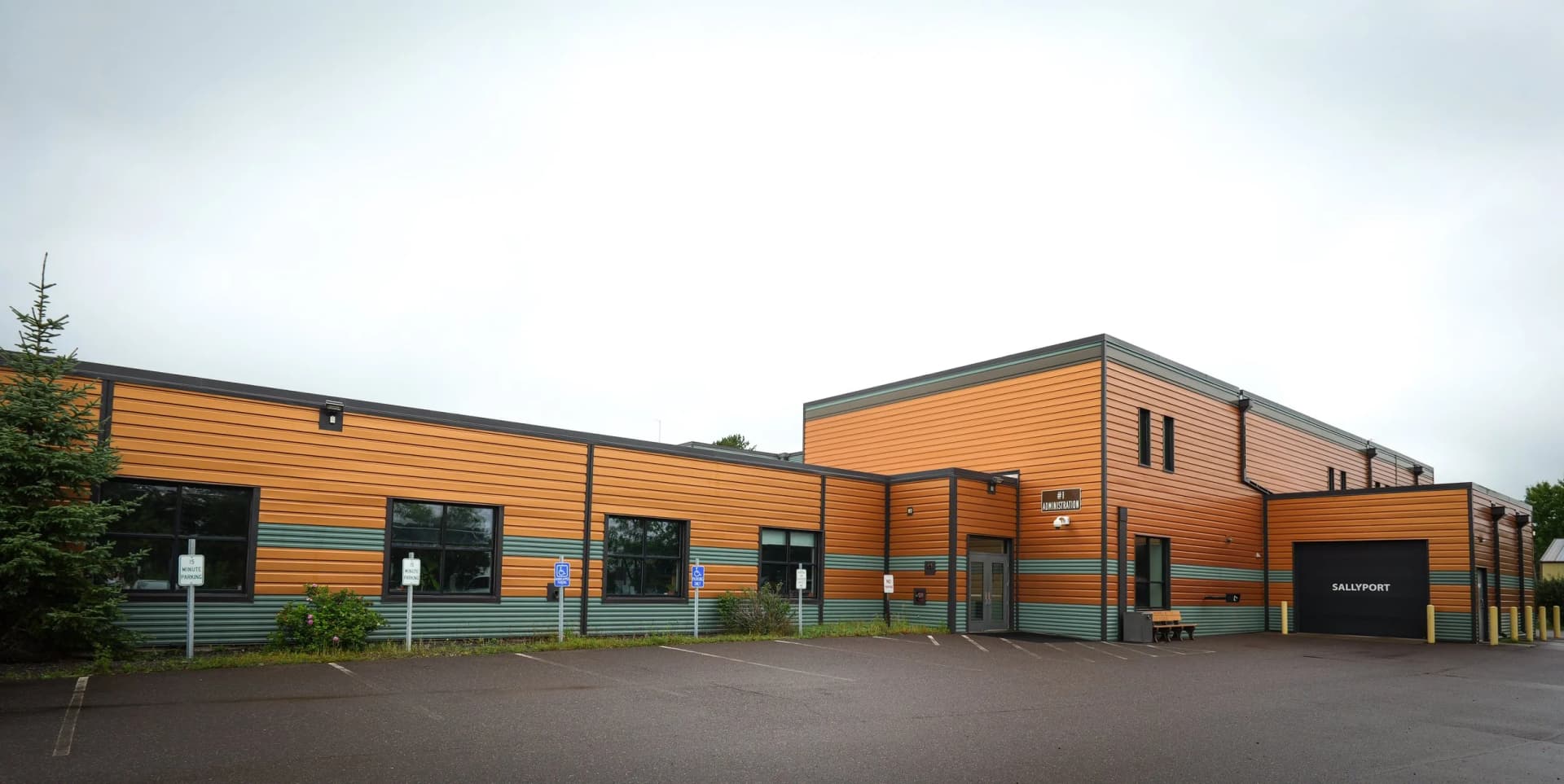
The Northeast Regional Corrections Center is a minimum- and medium-security work-farm facility with 144 beds. ARC describes it as a regional answer to jail overcrowding and a way to reduce the use of state prison beds. It also offers education, treatment and trade opportunities, with operations that include meat processing, a Farm Fresh Meat Market, a greenhouse, and farm produce and hay sales.

The work-farm model is more than a slogan. A Minnesota House Session Daily report said people at NERCC grow crops and raise and process chickens, pigs and turkeys, and that the products help feed the men and offset food costs. That approach ties custody directly to daily operations, a contrast to systems that rely only on confinement.
ARC’s current executive director was selected in 2024, adding a new layer of leadership to a half-century-old regional system. The agency’s 2024-2025 comprehensive plan also places its work inside Minnesota’s broader community-corrections framework under chapter 401, which requires planning to follow risk, need and responsivity principles.
For St. Louis County, the anniversary is a reminder that public safety is being managed through a regional network, not a single jail or courthouse. In ARC’s model, the test of the last 50 years is whether probation, pretrial supervision, juvenile detention and work-farm programming can lower risk, stabilize families and keep more people from cycling back through the system.
This article was produced by Prism’s automated news system from verified source data, official records, and press releases, then run through automated quality and moderation checks before publishing. The system is built and supervised by the people who set the standards it runs under. Read our full AI policy.
Did this article answer your question?