Breast cancer rises among younger women, screening push expands in Minnesota
Breast cancer is rising faster in women under 50, and Minnesota’s SAGE program is helping younger patients in St. Louis County get screened before symptoms are ignored.
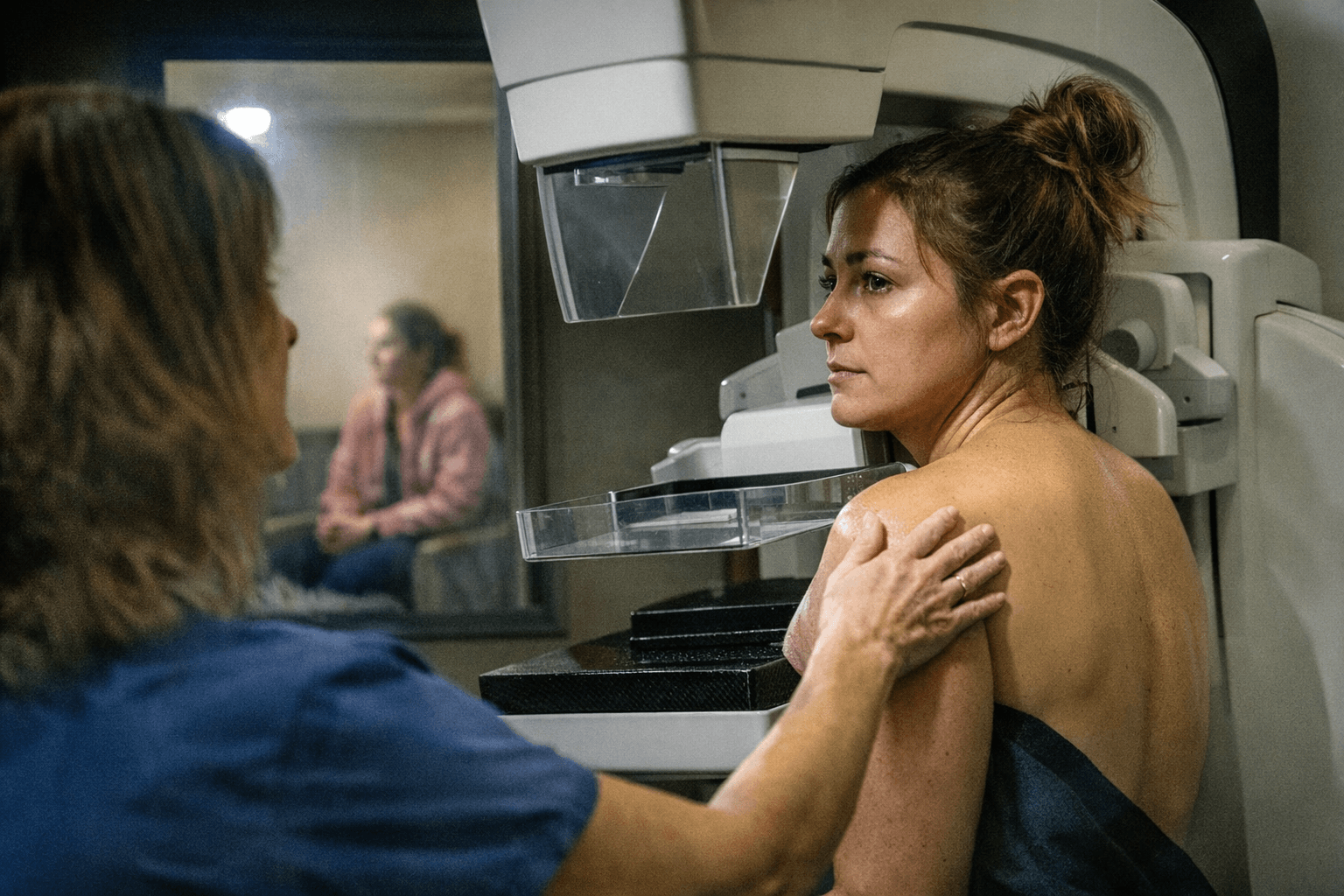
Breast cancer is showing up more often in younger women, including people under 40 who may not think they qualify for routine screening. In Minnesota, that shift is pushing more families in St. Louis County and the Northland toward programs like SAGE, which can help bridge the gap when age-based guidelines do not fit a patient’s symptoms, family history or concern.
The American Cancer Society says U.S. breast cancer incidence rose by 1% a year from 2012 through 2021, with a steeper 1.4% annual increase among women younger than 50. The U.S. Preventive Services Task Force now recommends mammograms every other year starting at age 40 through 74, but health officials say many younger women still fall into a gray area where they may need help getting to a clinic sooner.
That is where Minnesota’s SAGE Breast and Cervical Cancer Screening Program comes in. Manju Pillai, who leads the program, says women with close relatives diagnosed with breast cancer can qualify for exceptions to the usual screening rules. SAGE navigators can also connect eligible patients with more than 450 partner clinics across Minnesota and help schedule appointments through the program’s call line at 1-888-643-2584.
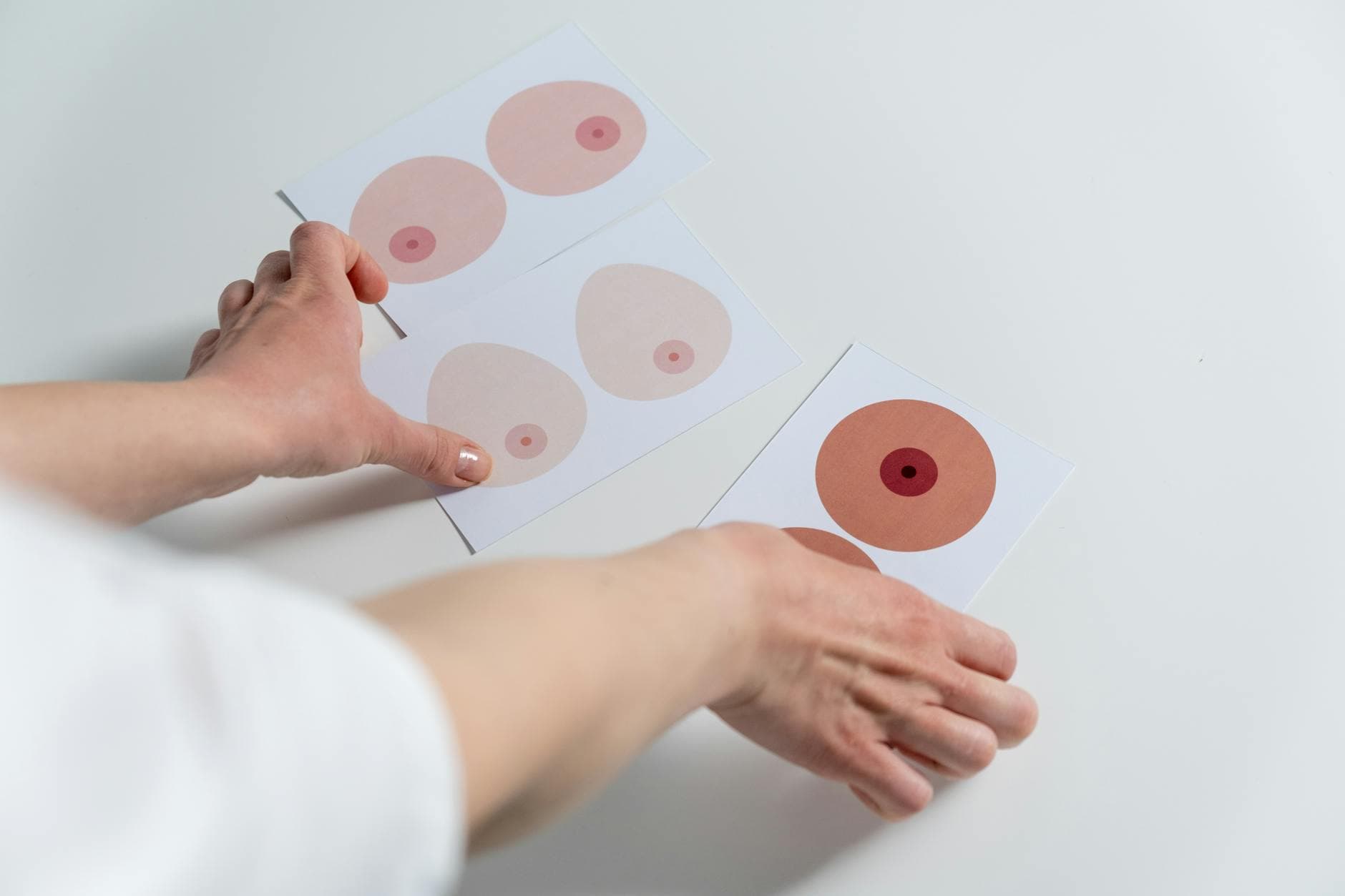
The need is clear in Minnesota’s own numbers. The Minnesota Department of Health says breast cancer is the most common invasive cancer diagnosed in women in the state. In 2022, 5,105 Minnesota women were diagnosed with breast cancer, and 679 died from the disease in 2023. MDH says one in three breast cancers among Minnesota women is found at a late stage, when treatment is harder and outcomes are worse. Early-stage disease has a 5-year relative survival of 99%, compared with 35% for distant-stage disease.
Christina Nelson of the Minnesota Department of Health said breast cancer is no longer only an older-women issue, a warning that matters for younger patients who may delay care because they assume they are too young to worry. MDH says 73% of Minnesota women age 40 and older report having had a mammogram in the last two years, showing that even among women who qualify routinely, screening gaps remain.
SAGE also reaches beyond cancer. Its SagePlus heart-health program is free for people eligible for SAGE and includes blood pressure, blood sugar, cholesterol, height and weight checks, plus coaching and referrals for help with food, housing and transportation. That broader approach matters in rural and regional Minnesota, where distance, cost and unstable transportation can keep a woman from a mammogram, a follow-up scan or treatment.
Danella Thompson’s experience shows why that support matters. With help moving from diagnosis into treatment, including care at Mayo Clinic, she navigated chemotherapy, surgery and radiation, along with a clinical trial. Minnesota health leaders have also pushed screening outreach elsewhere in the state, including a Southwest Minnesota campaign in 2024 with mobile mammography events, after officials said women there were more likely to die of breast cancer than women in other parts of Minnesota.
This article was produced by Prism’s automated news system from verified source data, official records, and press releases, then run through automated quality and moderation checks before publishing. The system is built and supervised by the people who set the standards it runs under. Read our full AI policy.
Did this article answer your question?