Duluth clinic uses motion capture to help runners avoid injury
A new 3D motion-capture system in Duluth is helping runners spot stride problems before they turn into injuries, with a $250 performance assessment at Essentia Health.
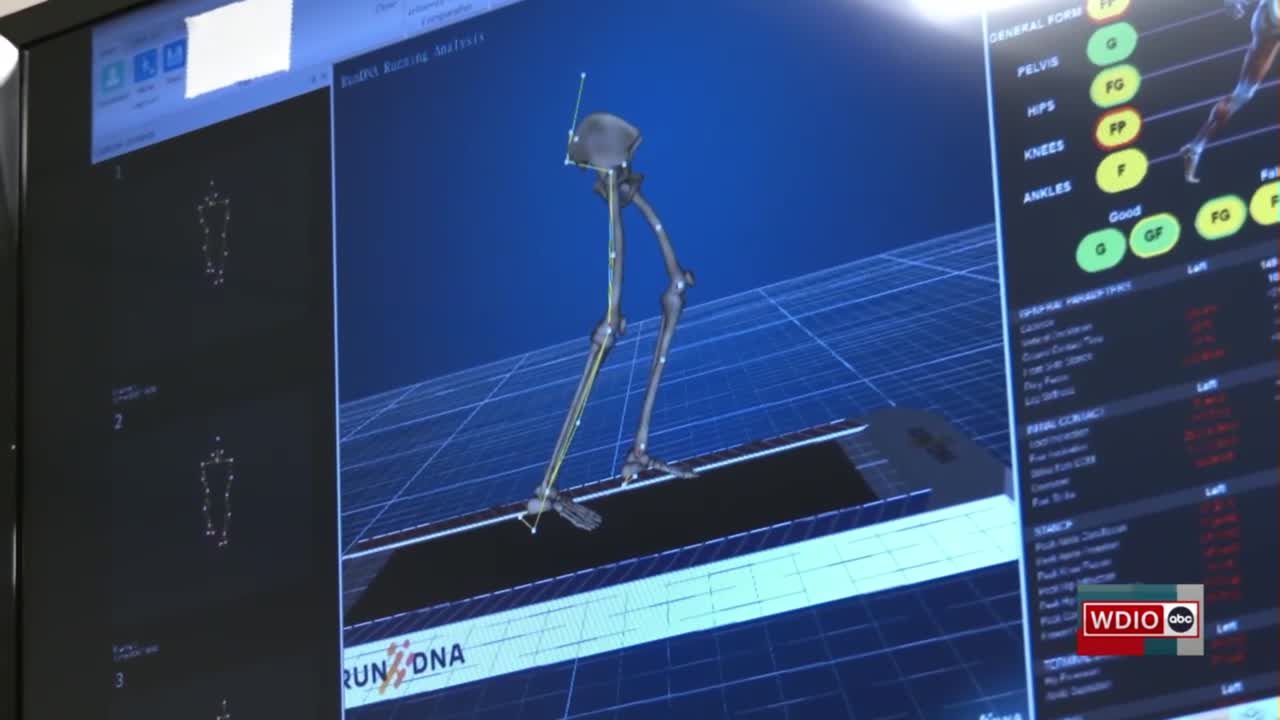
A new motion-capture system at Essentia Health in Duluth is giving runners a three-dimensional look at the stride that drives pain, fatigue or injury, and the performance assessment costs $250. The RunDNA Helix system, installed at the Essentia Health-Therapy & Performance Center at 1600 Miller Trunk Hwy, Building C, can be used by collegiate athletes, marathon runners, casual joggers and people rehabbing after surgery.
Therapists use the system to measure stride length, cadence, joint movement and how force moves through the body. By putting the motion on a screen, clinicians can spot problems that may not show up in a two-dimensional analysis and then tailor drills, strength work and other adjustments.
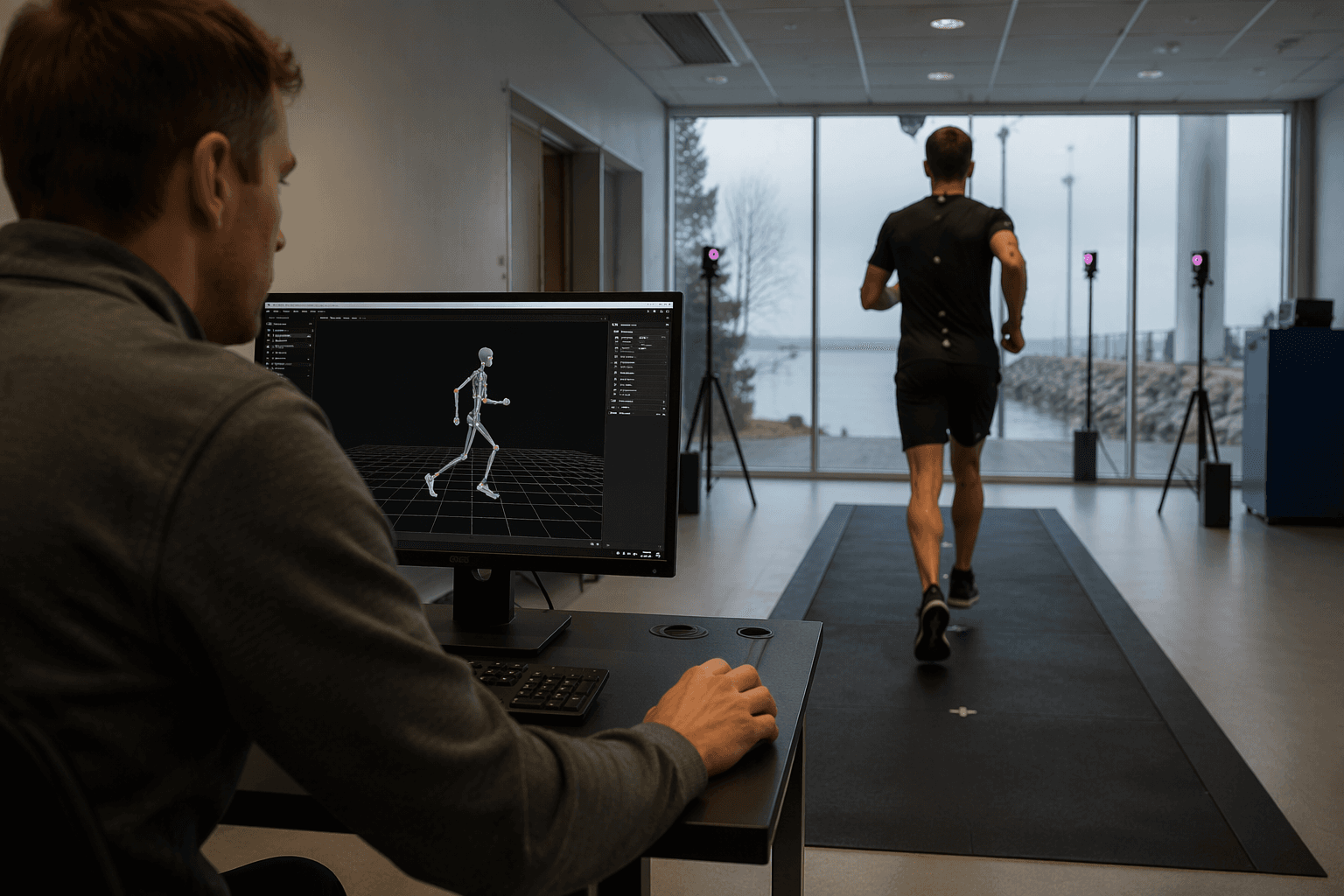
The service is built as a two-part process. One visit is for data collection and analysis, and a second visit is for training changes based on what the scan shows. No physician referral is needed for the performance version, which makes it easier for runners to get in without waiting for a separate medical visit. The same technology can also help patients after surgery as they work back toward walking and running more safely.
Grandma’s Marathon began in 1977 with 150 participants and is now the 12th-largest marathon in the United States. More than 235,000 runners have finished in Canal Park since the event began, and organizers expect the quarter-millionth finisher during the 50th annual race weekend. That weekend ran June 19-20, 2026, and the event draws runners from all 50 states and 74 countries, with more than 3,500 volunteers contributing over 40,000 hours and nearly $40 million in annual regional economic impact.

The Essentia Health Fitness Expo tied to marathon weekend was promoted with more than 100 vendors. RunDNA's Helix 3D is a real-time gait-analysis platform meant to help specialists quickly identify where to focus, and a case study on optical motion capture found that 3D running analysis has been used by coaches, physiotherapists and health care professionals to improve injury management and athlete performance.
This article was produced by Prism’s automated news system from verified source data, official records, and press releases, then run through automated quality and moderation checks before publishing. The system is built and supervised by the people who set the standards it runs under. Read our full AI policy.
Did this article answer your question?