Duluth firefighters spotlight MnFIRE support for health, trauma, cancer
Duluth firefighters are backing MnFIRE as cardiac disease, trauma and cancer threaten the crews St. Louis County depends on. The program offers peer support, a hotline and no-cost counseling.
Duluth firefighters are spotlighting MnFIRE as cardiac disease, emotional trauma and cancer continue to wear down the crews St. Louis County depends on when the next alarm comes in. The Minnesota Firefighter Initiative launched in 2016, and its work now reaches well beyond crisis response, into the everyday health, family stability and long-term retention of the people who answer calls across the county.
That mission carries real weight in a state where more than 90% of the fire service is volunteer or non-career. In smaller departments and busy city houses alike, burnout, trauma and cancer risk can drain staffing, sideline seasoned firefighters and strain response readiness when communities need a full roster. Minnesota also memorializes 253 firefighters who have died in the line of duty since 1881, underscoring how central health and prevention have become to fire service policy.
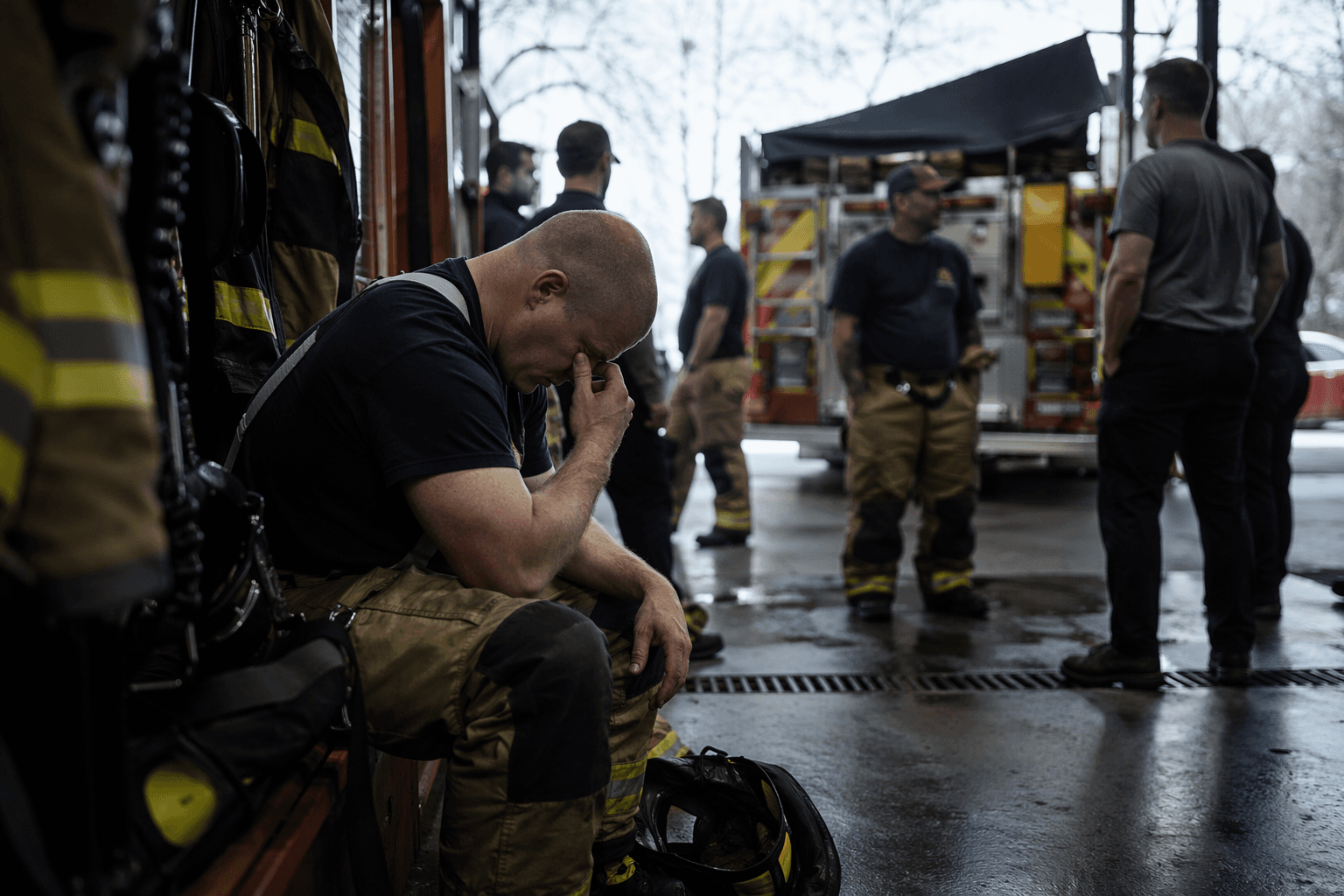
MnFIRE says its Hometown Heroes Assistance Program gives all active Minnesota firefighters, including volunteer, paid-on-call, part-time and full-time members, no-cost health and wellness resources. That includes a confidential peer-support program, no-cost counseling visits, a 24-hour hotline at 888-784-6634 and an up-to-$20,000 critical illness insurance benefit for active firefighters. MnFIRE says the statewide program is meant to help firefighters and their families deal with the medical, emotional and financial fallout that can follow cardiac problems or mental-health challenges.
State law now requires annual firefighter training on critical illnesses and emotional trauma, along with a customized psychotherapy program that includes peer-to-peer support and up to five psychotherapy sessions per year. MnFIRE says its training classes last two hours and are taught by trained instructors who are also firefighters, a structure that is meant to make the conversation more direct and more accessible for crews already carrying the job's stress.
For Duluth and the rest of St. Louis County, the message is broader than one department. Firefighters who can get help early are more likely to stay healthy, stay on the roster and keep their families more stable when the job turns rough. MnFIRE's local push puts that support system in front of the people who need it most, and it ties firefighter wellness directly to the safety of the communities those crews serve.
This article was produced by Prism’s automated news system from verified source data, official records, and press releases, then run through automated quality and moderation checks before publishing. The system is built and supervised by the people who set the standards it runs under. Read our full AI policy.
Did this article answer your question?