Duluth Forum Tackles Complex Public Lands Ownership, Protection Gaps
A Duluth advocate warned that many city trail parcels have no legal protection from sale, as a 1,183-acre natural area designation nears a key city vote.
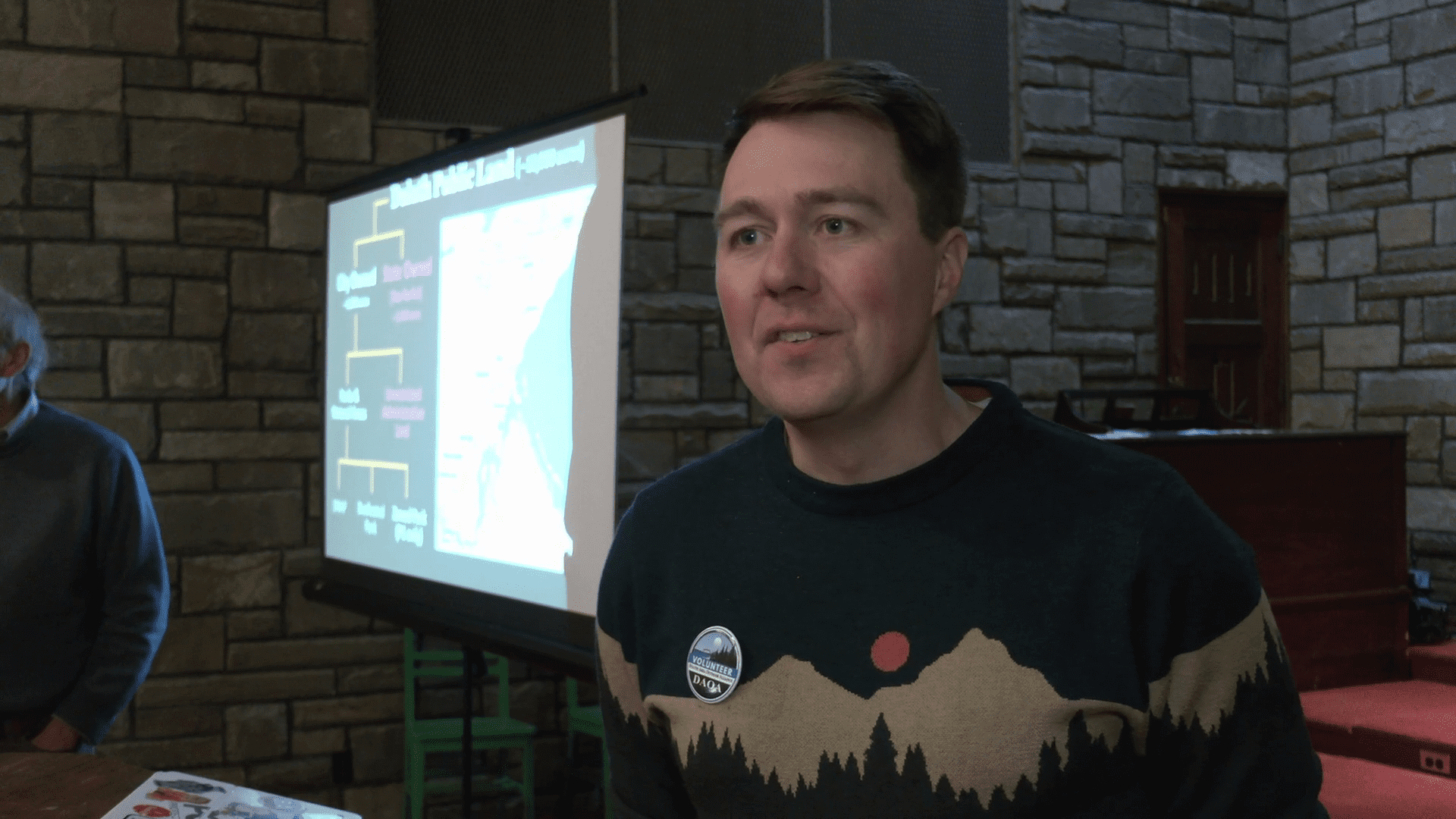
Ansel Schimpff, executive director of COGGS, delivered an uncomfortable message to a packed house at Spirit of the Lakes School on April 1: a significant share of Duluth's trail network sits on parcels that city government could sell or redevelop without violating a single ordinance.
The Duluth Area Outdoor Alliance convened the "101 Duluth Public Lands" forum as the opening installment of an ongoing civic education series. The unusually large turnout for a land-use presentation arrived at a moment when protection questions are edging toward a concrete decision point.
At stake this year is the pending final designation of the Lester-Amity-Hawk Ridge Natural Area, a 1,183-acre swath encompassing parcels in Lester Park, Upper Amity Creek and Hawk Ridge. The Duluth City Council granted provisional inclusion in the city's Designated Natural Area Program in June 2025. The Parks and Recreation Commission is expected to review management planning results later this spring before the designation moves toward finalization. Until that process closes, those parcels lack the durable legal standing a full designation would confer, and that gap is precisely what the forum aimed to make visible.
Schimpff, whose organization COGGS maintains much of the city's mountain-bike trail infrastructure, framed the ownership landscape as deliberately difficult to read. "The public lands in Duluth are a real hodgepodge of ownership and protection," he told the audience, noting that some parcels are held in public trust or under conservation easements while others are simply city-owned with no attached restrictions. "A lot of people don't really understand how protected the land is that their favorite trails are on," he said. "And so we just wanted to present some of that information."
The complexity is more than procedural. City-owned land without a conservation easement or a natural area designation can be rezoned or sold through standard council action, placing the practical weight of protection on public pressure and attendance at the right meetings. The DAOA urged residents to contact their city councilors and the mayor's office directly, particularly as the Lester-Amity-Hawk Ridge process moves through its final steps.
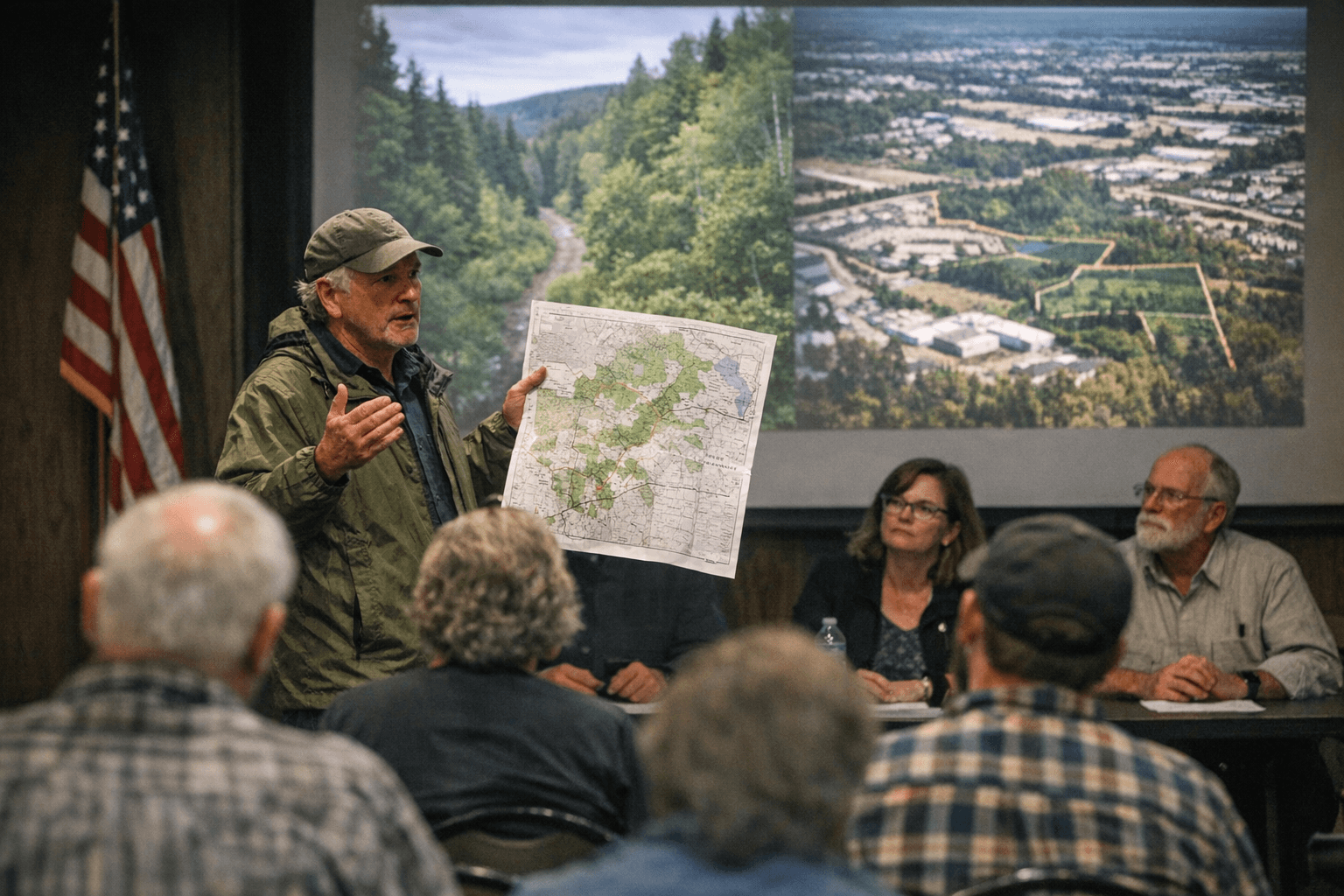
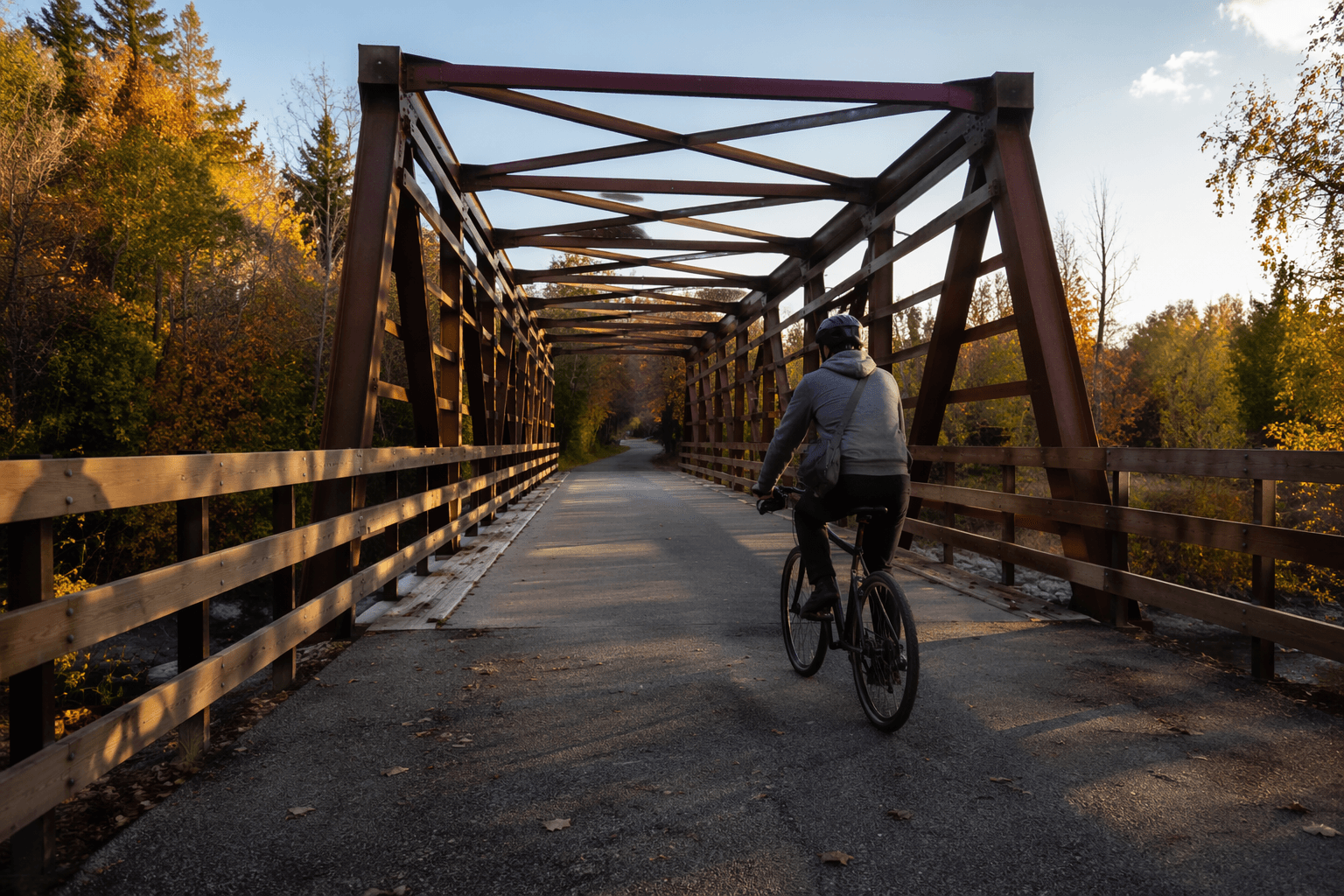
The economic argument for durable protection tracks closely with the city's identity. "People move to Duluth and they live in Duluth because of our outdoors," Schimpff said. "It's a core part of our community." The trail network, anchored by the Duluth Traverse and the Superior Hiking Trail and extending to Hawk Ridge's internationally recognized raptor corridor, draws visitors whose spending supports the regional tourism economy, a stake that gives the ownership question consequences well beyond hiking permits.
Schimpff closed with a warning framed as a call to action. "The land that we all value, the trails that we all love, may not be as protected and as permanent as we might think they are," he said. "If you value these trails and this public land, let your city councilors know, let the mayor know."
The DAOA has published materials and resources from the forum online. Additional sessions in the series are planned as the organization works to translate a packed room into policy outcomes before the Lester-Amity-Hawk Ridge designation reaches its final vote.
This article was produced by Prism’s automated news system from verified source data, official records, and press releases, then run through automated quality and moderation checks before publishing. The system is built and supervised by the people who set the standards it runs under. Read our full AI policy.
Did this article answer your question?