Duluth labor leaders mark Workers’ Memorial Day, call for safer workplaces
Duluth labor leaders marked Workers’ Memorial Day at the Labor Temple, pointing to 84 fatal Minnesota work injuries in 2024 and demanding stronger safety protections.
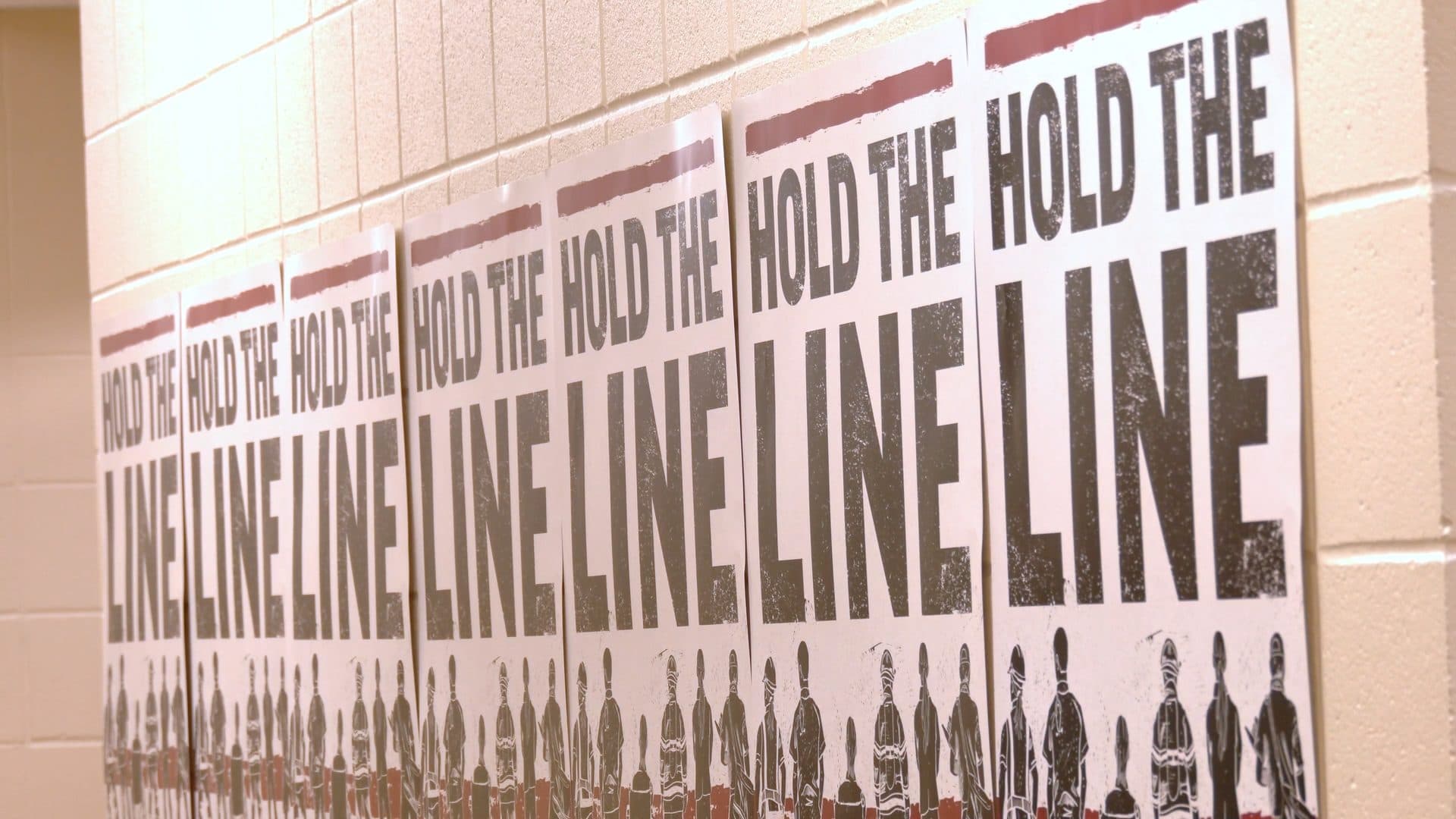
A solemn gathering at the Labor Temple in Duluth tied remembrance to a blunt warning: too many workers are still dying, and too many job-site risks are still going unreported. Labor leaders, city officials and workers marked Workers’ Memorial Day on April 27 with a message aimed squarely at the region’s dangerous workplaces, from construction and shipping to transportation and health care.
Corey Cusick, the AFL-CIO Community Services Director for Head of the Lakes United Way, told the crowd the day is meant to remember workers lost in the previous year and to push people to speak up when they see unsafe conditions. Bob Pederson said the labor movement has spent decades fighting for safer workplaces, but the toll remains far too high. Their remarks framed the observance as more than ceremony: it was a reminder that safety depends on training, protective equipment and the willingness of workers to report hazards before someone gets hurt or killed.

Councilor Terese Tomanek read a proclamation from the mayor’s office officially declaring April 27, 2026, as Workers’ Memorial Day in Duluth. The observance also connected the local ceremony to a broader national history. The Occupational Safety and Health Administration says the first national Workers’ Memorial Day was observed on April 28, 1970, the same year the Occupational Safety and Health Act took effect, when an estimated 38 U.S. workers died on the job each day. OSHA now says work-related injuries still claim about 15 lives a day nationally.

The numbers remain stark in Minnesota. The U.S. Bureau of Labor Statistics reported 84 fatal work injuries in the state in 2024, up from 70 in 2023, for a fatal injury rate of 2.9 per 100,000 full-time-equivalent workers. That was the highest Minnesota total since 2017, when the state recorded 101 fatalities. Nationwide, BLS counted 5,070 fatal work injuries in 2024, and transportation and material moving occupations had the most deaths, with 1,391.
For Duluth and St. Louis County, the stakes are immediate. The local economy depends on industries where one mistake can carry lasting consequences, and workers’ advocates say safety promises only matter if employers consistently back them up on the job. The message in Duluth was clear: memorializing the dead is only part of the work. Preventing the next loss is the real measure of whether workplaces are getting safer.
This article was produced by Prism’s automated news system from verified source data, official records, and press releases, then run through automated quality and moderation checks before publishing. The system is built and supervised by the people who set the standards it runs under. Read our full AI policy.
Did this article answer your question?