Duluth Lakewalk links shoreline, tourism, and daily life along Lake Superior
Duluth’s Lakewalk is part commuter route, part tourist engine, and part shoreline defense. Repeated storm damage has made its repair and resilience a local infrastructure issue.

A shoreline route that serves two economies
The Lakewalk is one of Duluth’s most important public spaces because it does two jobs at once: it carries everyday foot and bike traffic along Lake Superior, and it helps power the visitor economy that fills Canal Park and the waterfront. The City of Duluth says the trail stretches nearly eight miles from Canal Park to Brighton Beach, also known as Kitchi Gammi Park, giving residents and visitors a continuous paved route beside the lake.
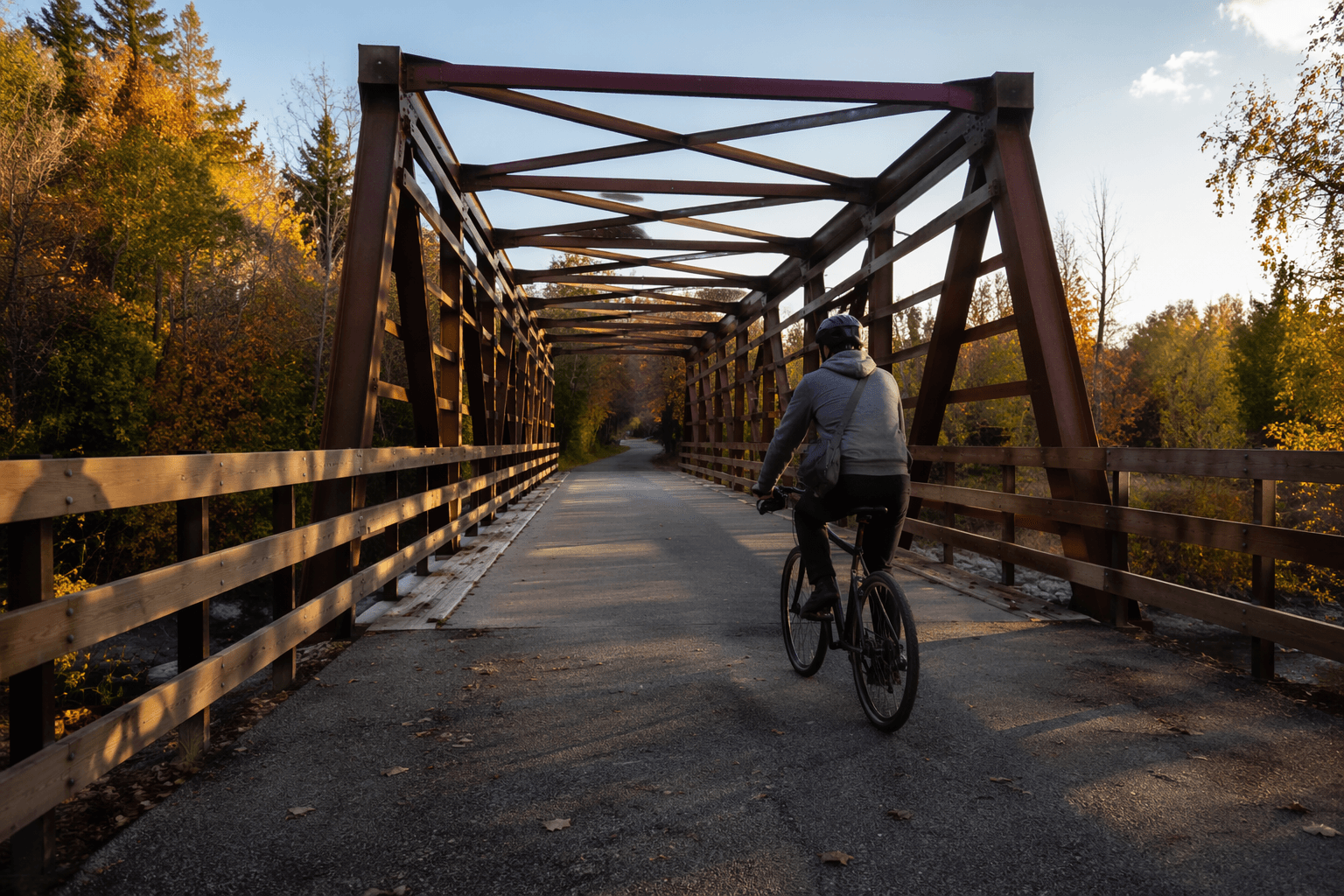
That reach matters in practical terms. People use the Lakewalk to walk, run, bike, fish, take photos, watch freighters, or simply sit and look out over the water. At the same time, the route feeds the storefronts, restaurants, lodging, and event spaces clustered along the shore, where steady foot traffic can turn a casual stroll into a meal, a hotel night, or a stop at an attraction.
How the Lakewalk became a civic corridor
The trail did not begin as the long shoreline spine it is today. It was originally built in 1986 as a half-mile path, then extended over the years with help from Friends of the Lakewalk, the volunteer nonprofit that says it is dedicated to preserving, protecting, and improving the trail. That growth turned a small amenity into a piece of public infrastructure that shapes how people move through downtown and Canal Park.
In Duluth, the Lakewalk is not just a scenic edge. It is part park, part transportation path, and part social commons where tourists, families, students, and longtime residents share the same lakeshore. That overlap gives the corridor a different character from a standard downtown sidewalk or a stand-alone park, because the trail connects movement, access, and public life in one route.
Why the shoreline matters to daily life and business
For St. Louis County residents, the Lakewalk is woven into routine life in ways that are easy to overlook until a section is damaged or closed. It offers a free place to exercise, meet friends, and spend time outside without a reservation or admission fee. In a city shaped by long winters and changing lake conditions, that everyday access is not a luxury. It is part of the public space network that supports health, recreation, and simple connection to the water.
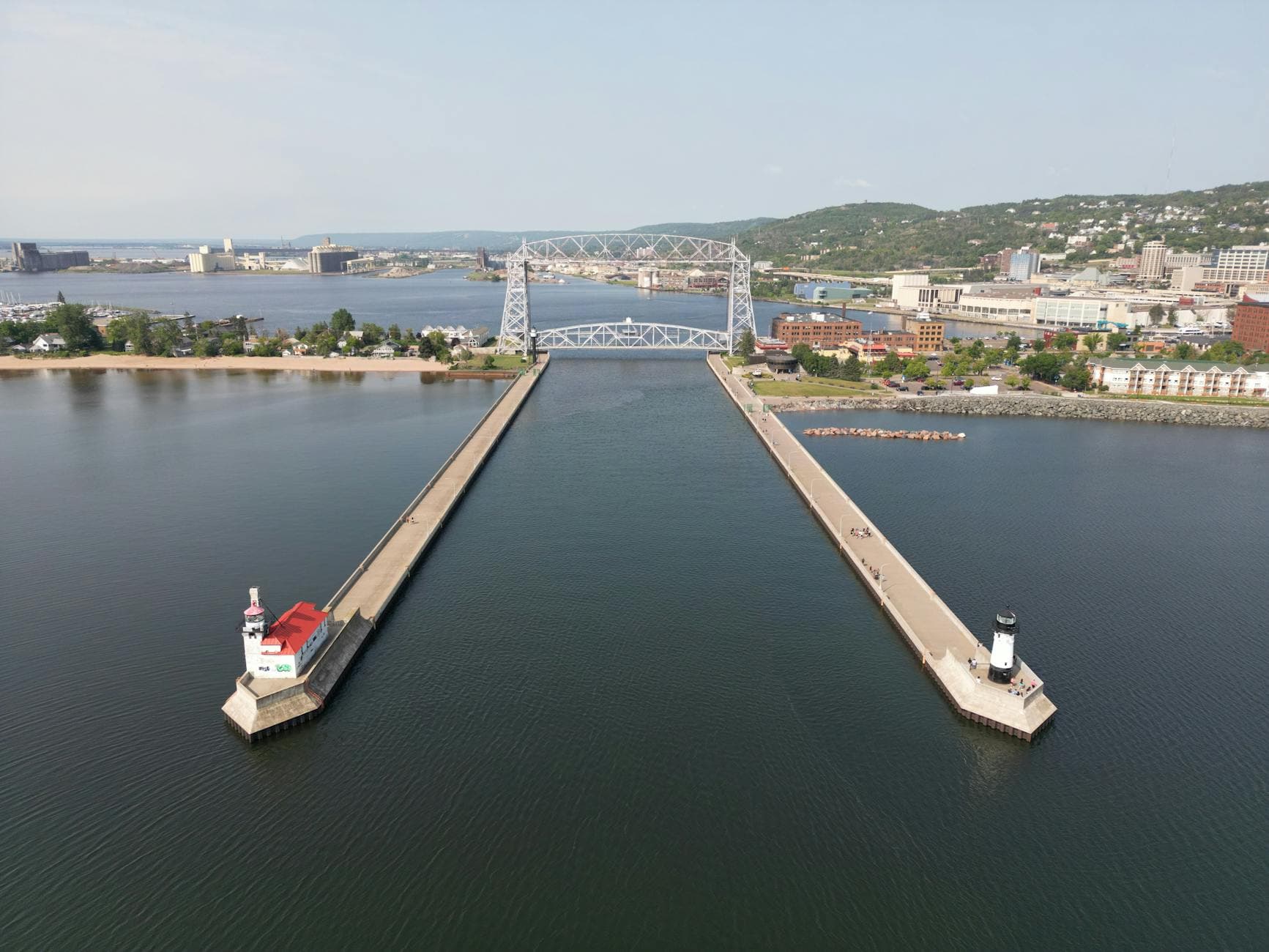
The same route is also a commercial asset. Explore Minnesota describes Canal Park as a major hub for dining, entertainment, lodging, and attractions on the Lake Superior shoreline, and that definition fits what many visitors experience when they step off the trail. Visit Duluth and other local tourism voices position the waterfront as a central destination, where the Aerial Lift Bridge, passing ships, lake views, and clustered businesses create the image most travelers remember.
The lakefront’s symbolic weight in Duluth
The Lakewalk also carries a political and civic story that reaches back decades. Destination Duluth ties the shoreline path to the fight in the 1960s and early 1970s to stop an interstate from being built along Lake Superior, a battle that helped preserve public access to the lakefront. That history still shapes how the city talks about the corridor today: as a reclaimed shoreline that should remain open, visible, and usable.
That is one reason the trail draws so much local attention whenever access changes, storms hit, or reconstruction begins. The lakefront is not treated as a distant scenic asset. It is part of the city’s identity, and the Lakewalk makes that identity concrete by letting people reach the shore directly rather than only seeing it from afar.
Storm damage turned resilience into a policy issue
The Lakewalk’s popularity has also exposed its vulnerability. The City of Duluth says the trail has experienced damage from past storm events, and that future storms will continue to threaten it unless the city strengthens the shoreline. A 2017 storm damaged parts of the Lakewalk and flooded parts of Canal Park, showing how quickly waterfront access can be disrupted when waves and wind turn violent.
The damage did not stop there. MPR News reported in 2018 that huge waves and wind caused about $10 million in damage to the Lakewalk and Brighton Beach park. In another report that year, the city estimated that a storm earlier that month caused $18.4 million in damage to public infrastructure along the Lake Superior shore. A 2024 Healthy Lakes report said three major storms in 2017 and 2018 caused more than $30 million in damage to the waterfront Lakewalk.
Those numbers matter because they explain why the Lakewalk is now discussed as public infrastructure, not just a recreational trail. Each storm has shown that the shoreline is both a community asset and a liability that requires planning, engineering, and sustained investment.
What the current rebuild is trying to fix
Duluth’s Lakewalk Transportation & Resiliency Improvements project is designed around that reality. The city says the work spans from the corner of the Lake to 26th Avenue East and includes shoreline restoration, trail relocation and reconstruction, ADA accessibility improvements, a bypass trail adjacent to Leif Erikson Park, better wayfinding, stronger connections between downtown and the Lakewalk, and eight pause areas.
Planning for the Lakewalk Renewal was completed in December 2021, and city officials celebrated a nearly $8.2 million federal grant in 2023 to help rebuild another section of the trail. Together, those milestones show that the city is no longer treating the Lakewalk as a simple beautification project. It is approaching the shoreline as an asset that has to be rebuilt for durability, accessibility, and public use.
For walkers and cyclists, that means smoother access and fewer interruptions. For nearby businesses, it can mean the difference between a healthy visitor flow and a shoreline segment that is closed, rerouted, or less welcoming after a storm.
How to understand the Lakewalk when you use it
The Lakewalk is easiest to read if you think of it as a network rather than a single attraction. The trail connects Canal Park to Brighton Beach, with access points and parking information that help people reach the water near the Lift Bridge and the Rose Garden. That practical layout is part of why the route works so well for both local routines and tourism: it is easy to enter, easy to follow, and tied to some of Duluth’s most recognizable landmarks.
The path’s value is not abstract. It keeps people moving along the shore, supports the businesses that depend on that movement, and gives the city a direct public edge on Lake Superior. In a place where weather can erase a shoreline overnight and rebuild it slowly over years, the Lakewalk remains one of Duluth’s clearest tests of how well the city can protect access, sustain commerce, and hold onto the daily rituals that make the waterfront feel like home.
This article was produced by Prism’s automated news system from verified source data, official records, and press releases, then run through automated quality and moderation checks before publishing. The system is built and supervised by the people who set the standards it runs under. Read our full AI policy.
Did this article answer your question?