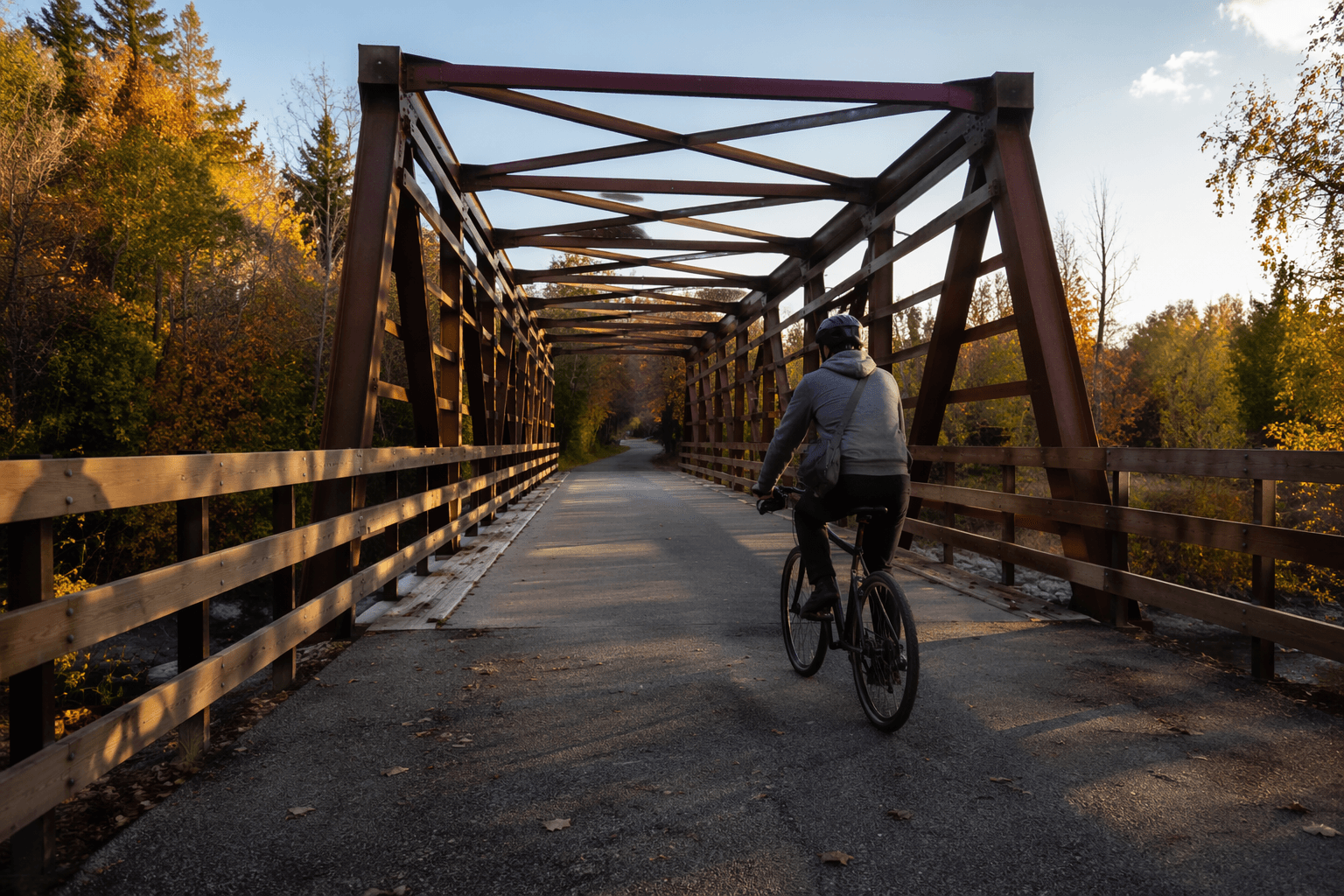
Duluth opens five road-sand collection sites for spring cleanup
Duluth will reopen five road-sand dump sites April 27, a free spring cleanup option that keeps grit out of drains that feed Lake Superior.

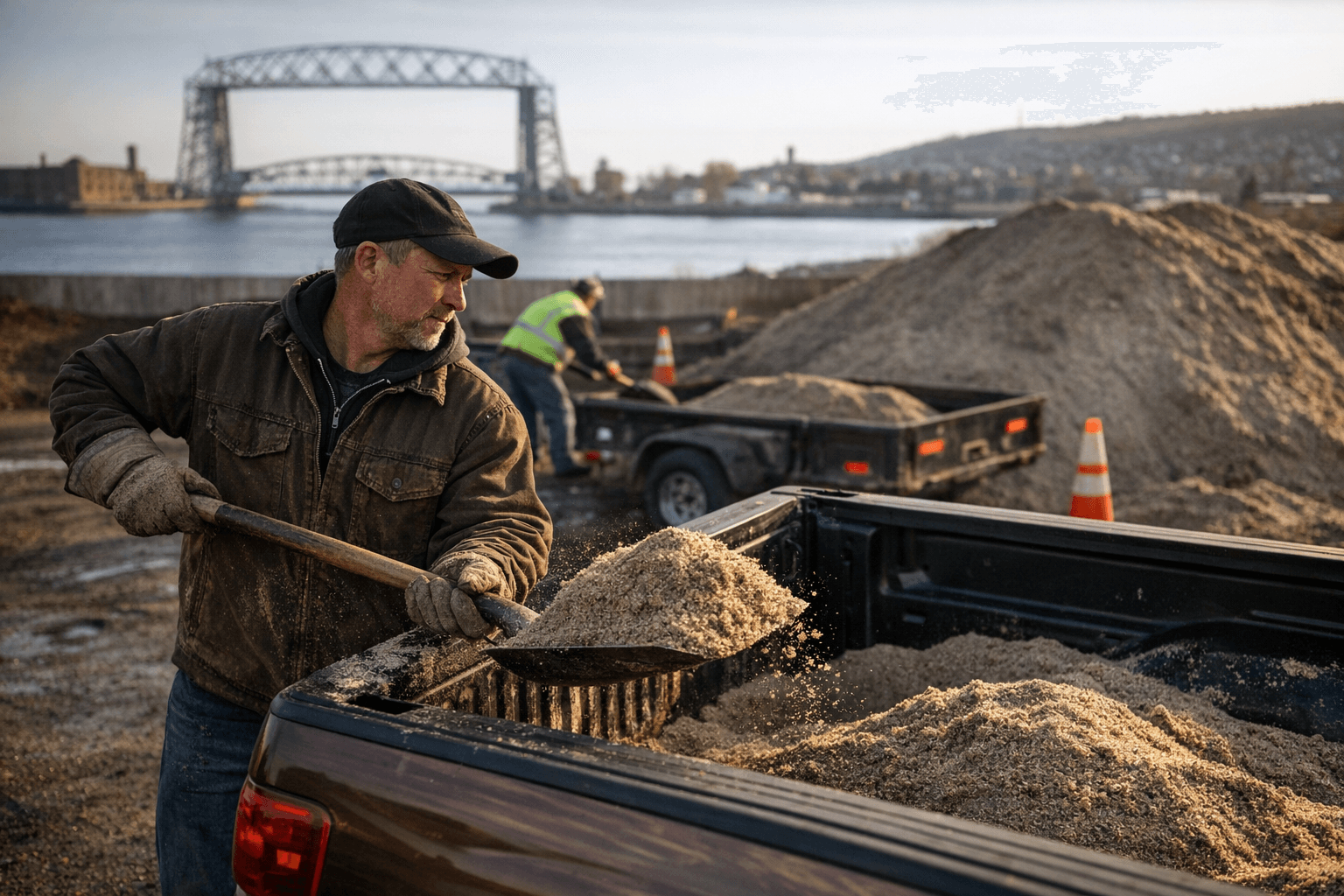
Winter sand does not belong in Duluth’s streets, gutters or catch basins, and starting April 27 residents will have five places to dump it instead. The city’s seasonal road-sand collection sites will run for three weeks at Wheeler Field, Piedmont Community Center, Duluth Heights Community Center, Chester Park and Portman Park, giving homeowners a simple way to clear out the grit, salt and debris that pile up after snow season.
The collection sites matter far beyond curb cleanup. Duluth says its stormwater system sends runoff directly to streams, rivers and Lake Superior, not to the wastewater plant, which means material swept into drains can move quickly into local waters. The city says it has 44 named streams within its boundaries, 16 of them designated trout streams, and stormwater runoff is separate from the sanitary sewer system and is not treated at Resource Renew. In a city defined by water, that makes a bucket of road sand more than a nuisance. It is pollution that can travel.
The numbers show why the program is worth the trip. Duluth street sweepers collect an average of 6,000 tons of road sand from city streets each year, while residents have historically dropped off about 15 tons at the collection sites. The dumpsters are large roll-offs labeled Road Sand Collection Site, and they are meant for road sand, salt and other winter-maintenance debris. Yard waste, brush, leaves, grass clippings and mulch do not belong there, and the city says people should not sweep or rake those materials into the street.
For yard debris, Duluth directs residents to Resource Renew’s compost site on Courtland Street, off Interstate 35 at 27th Avenue West and the waterfront. Resource Renew says yard waste is prohibited in the garbage under Minnesota law. The city also continues to lean on neighborhood stewardship through Adopt-a-Drain, where almost 550 drains have been adopted in Duluth. The program is free to join and asks volunteers to spend about 15 minutes twice a month clearing debris, a small task that helps keep trash and organic material out of local lakes, rivers and wetlands.
The spring sand drop-off is one of those quiet city services that saves households time and keeps crews from chasing the same mess twice. For Duluth, it is also part of a larger effort to protect the St. Louis River, the St. Louis Bay estuary and Lake Superior from runoff that starts in front yards and ends in the watershed.
This article was produced by Prism’s automated news system from verified source data, official records, and press releases, then run through automated quality and moderation checks before publishing. The system is built and supervised by the people who set the standards it runs under. Read our full AI policy.
Did this article answer your question?