Duluth plans controlled burns at park sites to curb weeds, boost natives
Duluth lined up four park burns, with smoke expected at Piedmont, Chambers Grove and Hartley to knock back invasive weeds and help native plants return.
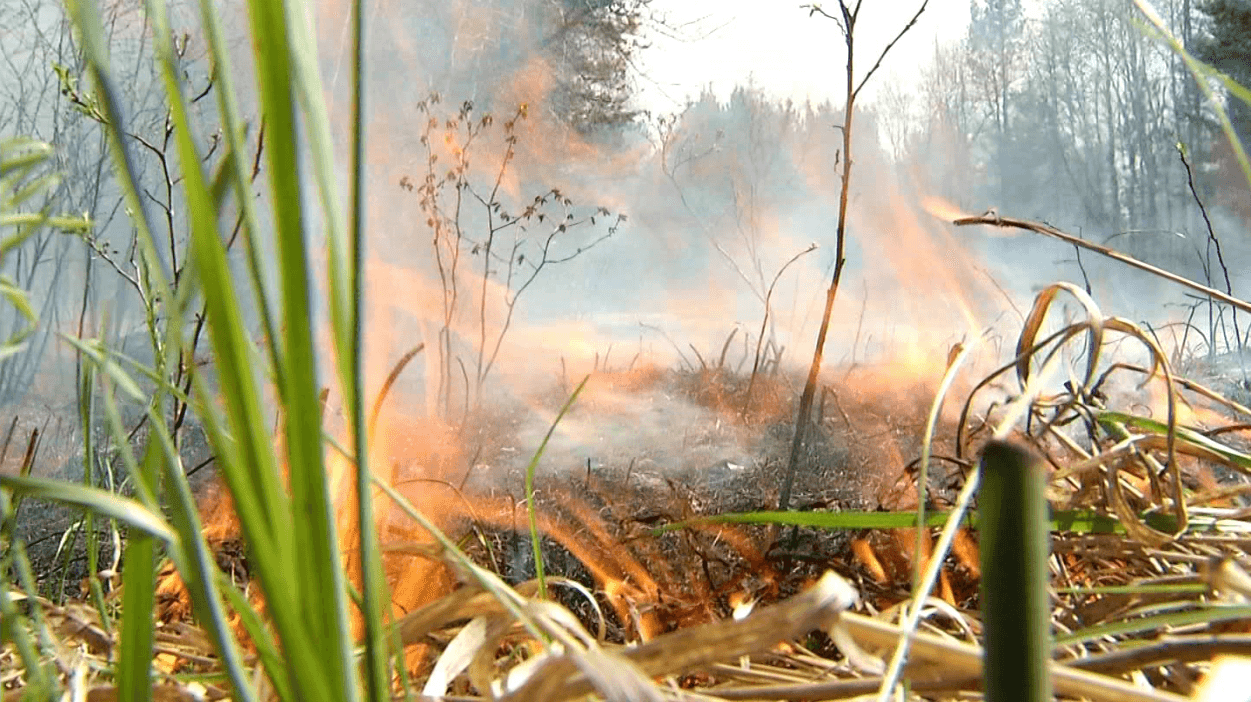
Smoke, brief flames and short-lived park disruptions were part of Duluth’s spring land-management plan as city crews prepared controlled burns at four sites to suppress weeds and strengthen native habitat.
The Parks Maintenance Division, working with the Duluth Fire Department and other city staff, identified burn areas at Piedmont Park pollinator gardens, Chambers Grove Park willow stands, Hartley Park and Natural Area’s The Pines, and oak stands in the southeastern part of Hartley. Each site was expected to take about one to two hours to burn, and the city said the work would only go forward when weather conditions were right for a successful prescribed fire.
City officials said the burns were designed to reduce invasive plants such as purple loosestrife and buckthorn while encouraging natives including little bluestem and black-eyed susan. In Hartley’s forestry units, the goal was also to support fire-dependent species like red pine and red oak. The city said prescribed burns are culturally important to tribal communities, adding another layer of meaning to a practice often seen only as a maintenance tactic.
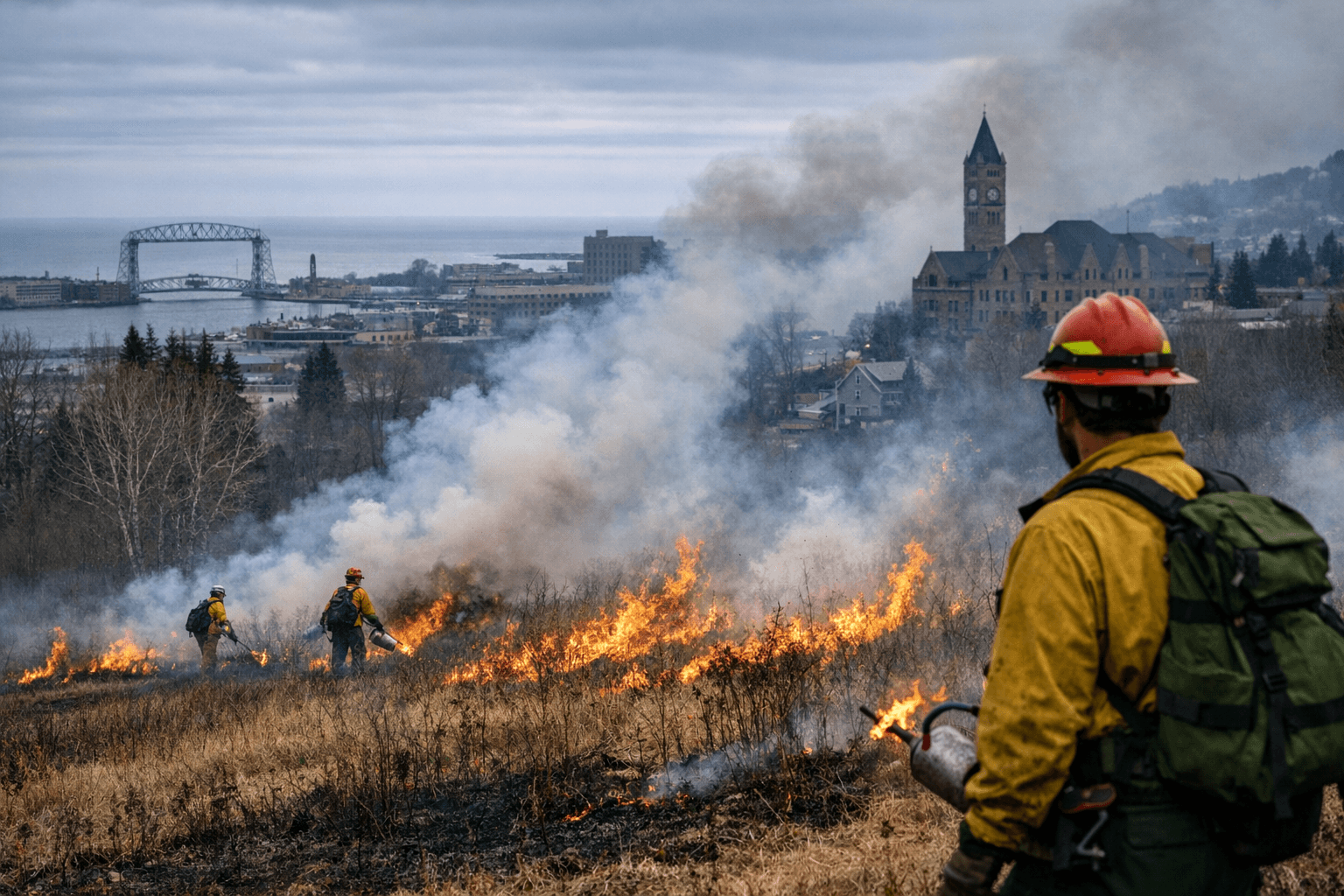
Residents near the burn sites were also told to expect smoke for a few days afterward, which the city said was normal. The Duluth Fire Department was to remain on-site until all flames were completely extinguished, and the city planned to issue same-day notices when feasible so neighbors would know when a burn was underway.
The spring work was part of a broader program Duluth has used before. In 2025, the city burned sites including Chambers Grove Park, Piedmont Park, roadside areas near the Arlington soccer fields, and two linear pollinator gardens in Canal Park, with the same goals of knocking back weeds and supporting native plants. In 2023, Duluth launched a pilot burn effort at two Hartley Park pollinator meadows and at the western end of Waabizheshikana: The Marten Trail near 94 Spring Street, after an informational presentation to the Natural Resources Commission.
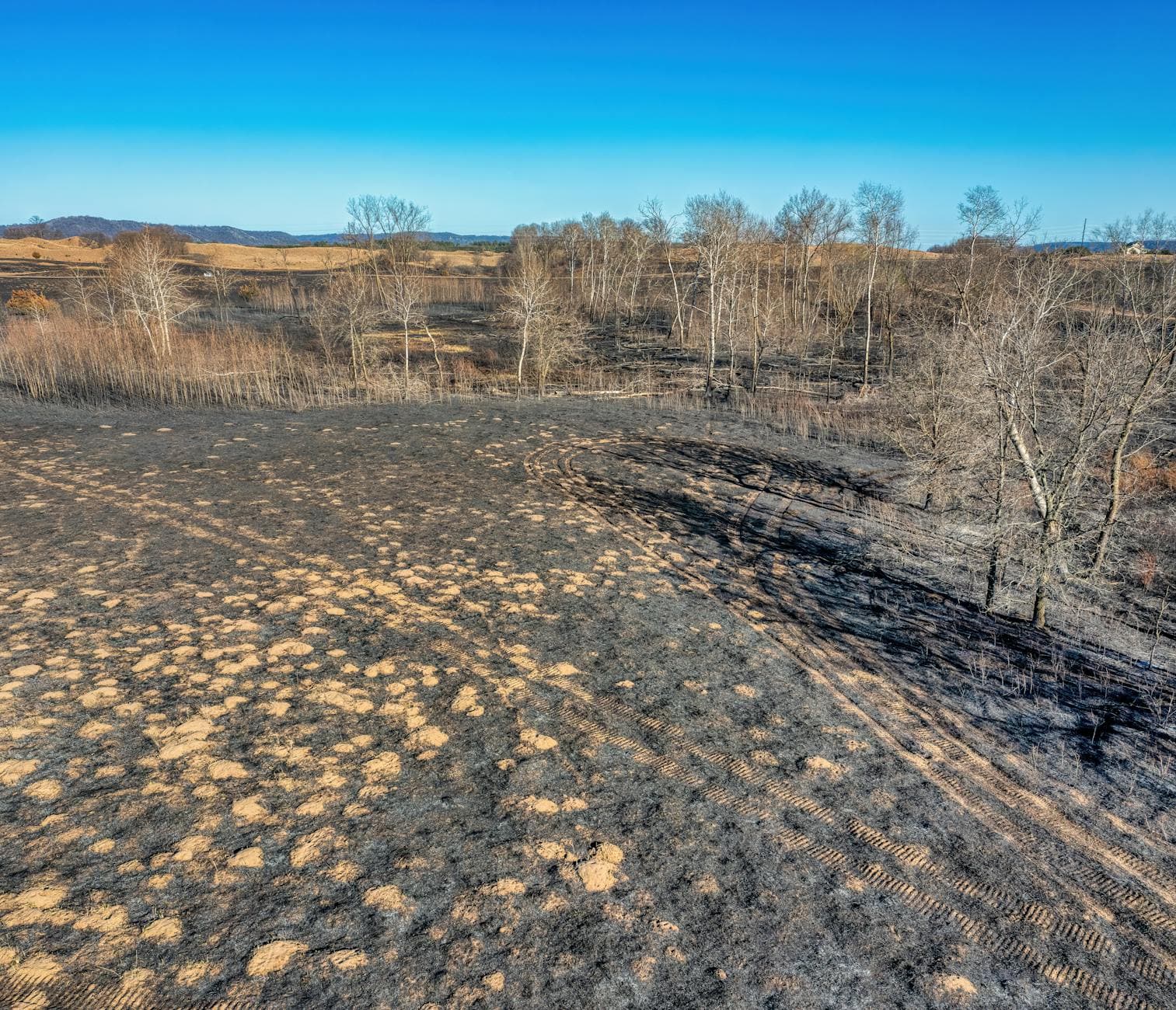
City natural resources materials describe prescribed fire as one tool in a larger restoration strategy that also includes tree planting, invasive-species removal and habitat work in forested natural areas. Those same materials note pressures from white crack willow, emerald ash borer and invasive plants that can quickly overtake restored ground if follow-up work does not continue.
The city said the 2026 burns would also give Duluth Fire Department staff wildland firefighting training, turning a maintenance operation into practice for a skill set that matters when dry conditions raise the stakes across St. Louis County.
This article was produced by Prism’s automated news system from verified source data, official records, and press releases, then run through automated quality and moderation checks before publishing. The system is built and supervised by the people who set the standards it runs under. Read our full AI policy.
Did this article answer your question?