Duluth Schools Join Federal Lawsuit Challenging Immigration Enforcement Near Campuses
Duluth superintendent John Magas says $500K monthly in staff hours is now consumed by immigration planning as the district joins a federal suit to keep ICE off school grounds.
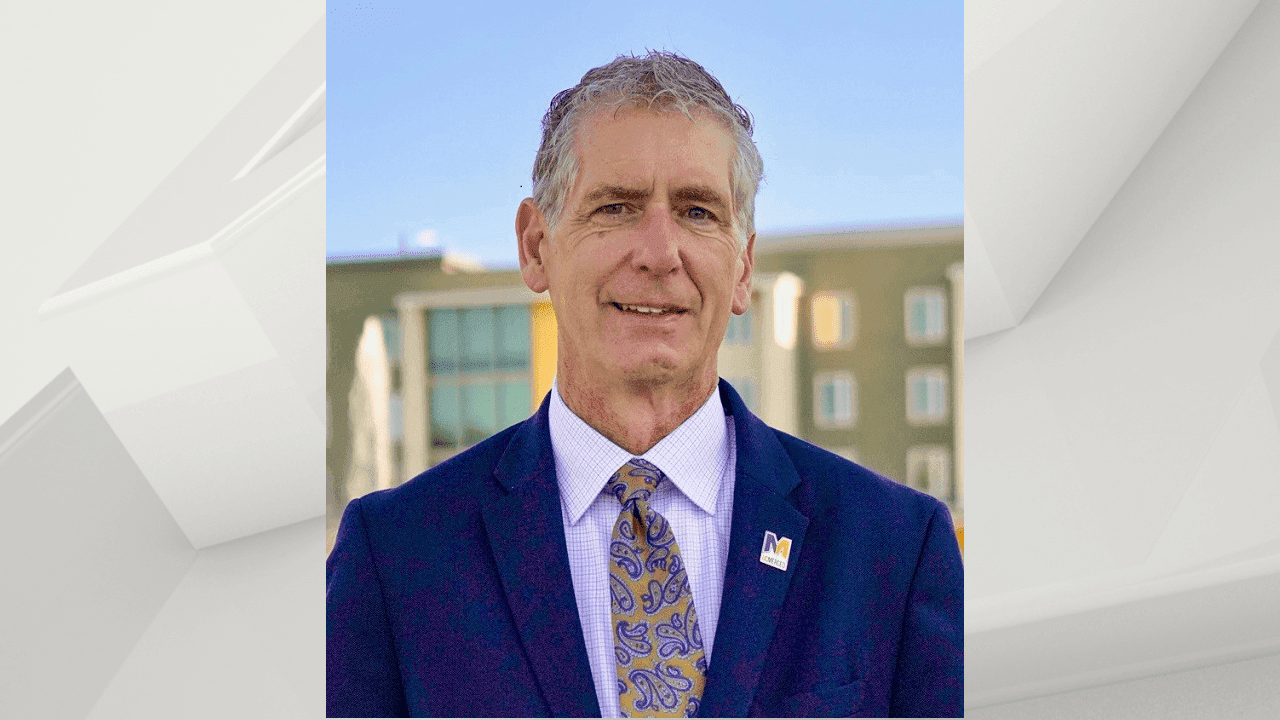
Duluth Public Schools Superintendent John Magas stood at the State Capitol on February 4 and framed his district's decision to sue the federal government in terms that cut straight to classroom reality: "It was a simple and powerful promise that your child's classroom should be a place of learning, not of fear. It ensured that immigration enforcement could not happen on our school grounds, on our buses or near our buildings."
That promise, embedded in federal policy for more than 30 years, was repealed by the Department of Homeland Security in 2025, shortly after the start of the second Trump administration. The 33-page lawsuit, filed February 4, 2026, in U.S. District Court of Minnesota, names DHS Secretary Kristi Noem and other officials as defendants. It seeks a court order barring Immigration and Customs Enforcement from operating in or near public school grounds and asks the court to restore "sensitive locations" designations that had long shielded schools, churches and hospitals.
ISD 709 is one of three plaintiffs, joined by Fridley Public Schools (ISD 14) and Education Minnesota, the statewide teachers union representing nearly 90,000 members. The district states no district funds are being used; legal representation comes from Democracy Forward, Zimmerman Reed LLP, Nilan Johnson Lewis PA and The Law Office of Kevin C. Riach. Magas mentioned an April 9 court date at a recent school board meeting.
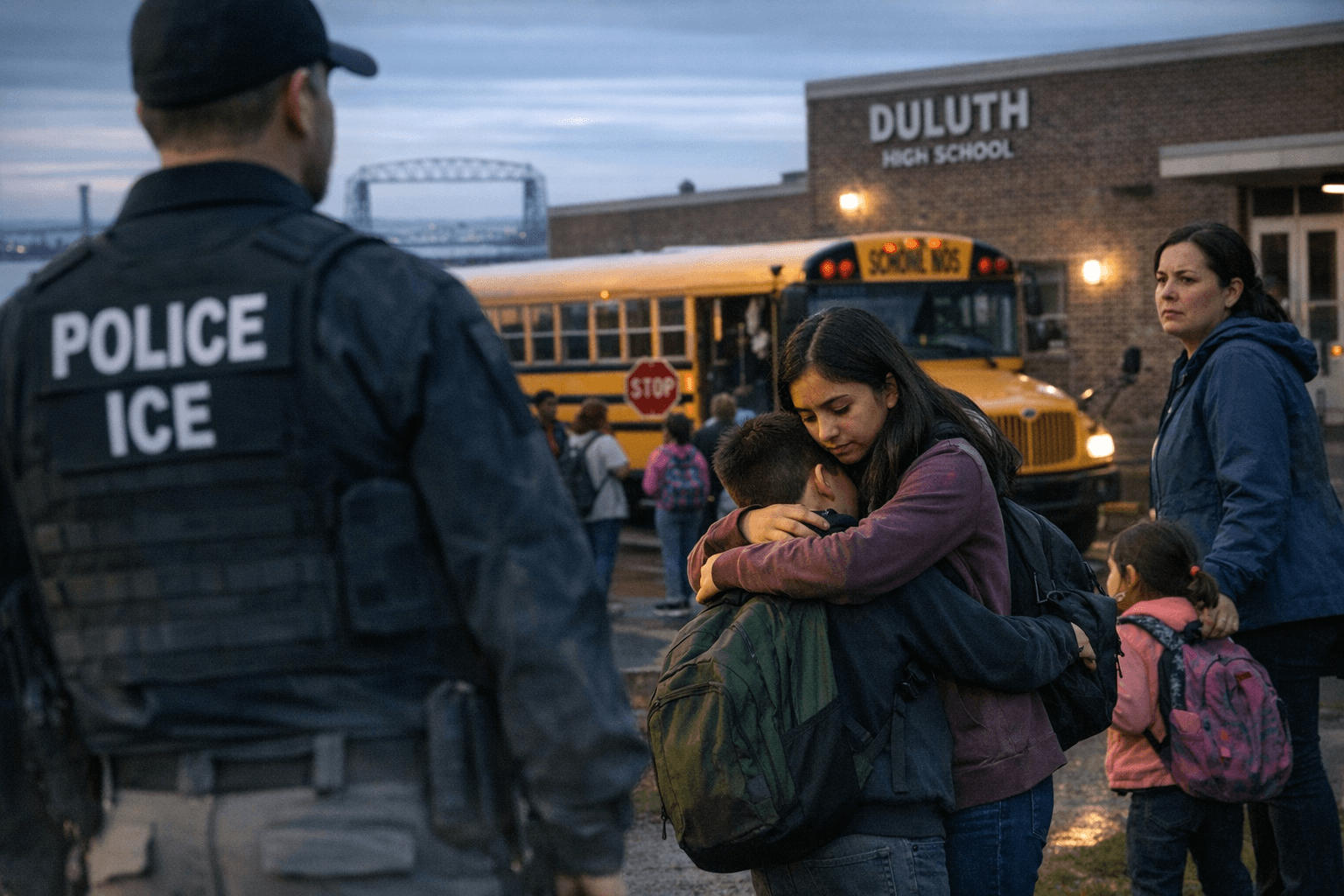
The financial toll on daily operations is already measurable. Magas estimates more than $500,000 of staff hours per month are being diverted to immigration-related emergency planning instead of normal operations. Attendance among Duluth students from immigrant communities has declined since Operation Metro Surge, a federal enforcement initiative launched in December 2025, expanded across Minnesota. ICE agents have not appeared on Duluth school property, but Magas is direct about the effect on students who fear otherwise: "When people are feeling frustrated and scared, it's pretty much impossible for them to learn."
The complaint also identifies a structural threat to enrollment. The suit warns the district faces a choice between expanding online learning options or risking that students accrue more than 15 consecutive absences and are unenrolled, a threshold that becomes a mechanism of displacement when fear of enforcement keeps families away from bus stops entirely.
The disruptions are more acute in Fridley, where the school district closed for two days over safety concerns tied to enforcement activity. A staff member was stopped by armed DHS agents near school property, attendance dropped by a third, endangering district funding, and teachers, social workers and administrators diverted time to building remote learning options, delivering food and patrolling for immigration officers. People making those food deliveries were followed by ICE.
June Hoidal, the attorney representing all three plaintiffs, described the stakes plainly: "For decades, federal policy recognized that schools are different: places designed for children, education and for the stability that families depend on."
The complaint draws on the government's own record. In 1993, an acting associate commissioner of the Immigration and Naturalization Service directed federal agents to "minimize the impact on the operation of the school." A 2007 ICE policy statement acknowledged that "the presence [of ICE] agents conducting investigative activity at schools, or in venues where children's activities occur, has always been a point of particular sensitivity."
Magas noted that some immigrant communities have specifically asked school districts not to draw further attention to them as Operation Metro Surge continues, leaving many districts feeling unable to speak publicly. "It creates an opportunity or a necessity for us to speak up for our neighbors," he said, "and that's what we do here in Minnesota.
This article was produced by Prism’s automated news system from verified source data, official records, and press releases, then run through automated quality and moderation checks before publishing. The system is built and supervised by the people who set the standards it runs under. Read our full AI policy.
Did this article answer your question?