Food rescue programs expand in Twin Ports, redirecting surplus groceries
Second Harvest Northland redirected more than 40% of its supply, distributing roughly 12–13 million pounds (nearly 11 million meals in 2025) across a 15‑county, 27,000‑square‑mile region.
Second Harvest Northland distributed roughly 12 to 13 million pounds of food last year, reported as nearly 11 million meals in 2025, and now sources more than 40 percent of that volume from food rescue partnerships with local retailers and restaurants across the Twin Ports and broader Northland. The organization’s service area spans 15 counties and more than 27,000 square miles, with program materials estimating outreach to about 70,000 neighbors in need across northeastern Minnesota and northwestern Wisconsin.
Whole Foods Co‑op in Duluth is a named partner in the rescue network, with pickups twice weekly from its Hillside and Denfeld stores that include fresh fruits and vegetables, dairy, meat and baked goods. The co‑op, which lists roughly 14,000 owners and more than $20 million in annual sales, supplies rescued product that helps feed local agencies such as Damiano Center, CHUM, Boys & Girls Clubs of the Northland, and the Salvation Army through Second Harvest Northland’s routing and distribution system.
Operational capacity expanded in January 2025 when Second Harvest Northland completed Phase 1 of facility upgrades with a new 13,600 square‑foot freezer and cooler, increasing perishable throughput by about 300 percent and dry capacity by about 210 percent. The Minnesota Pollution Control Agency awarded a $1,000,000 grant on April 22, 2025 to support that cooler and freezer, part of a broader state effort that included nearly $4.8 million in food‑rescue grants statewide to reduce landfill waste and strengthen cold‑chain logistics.
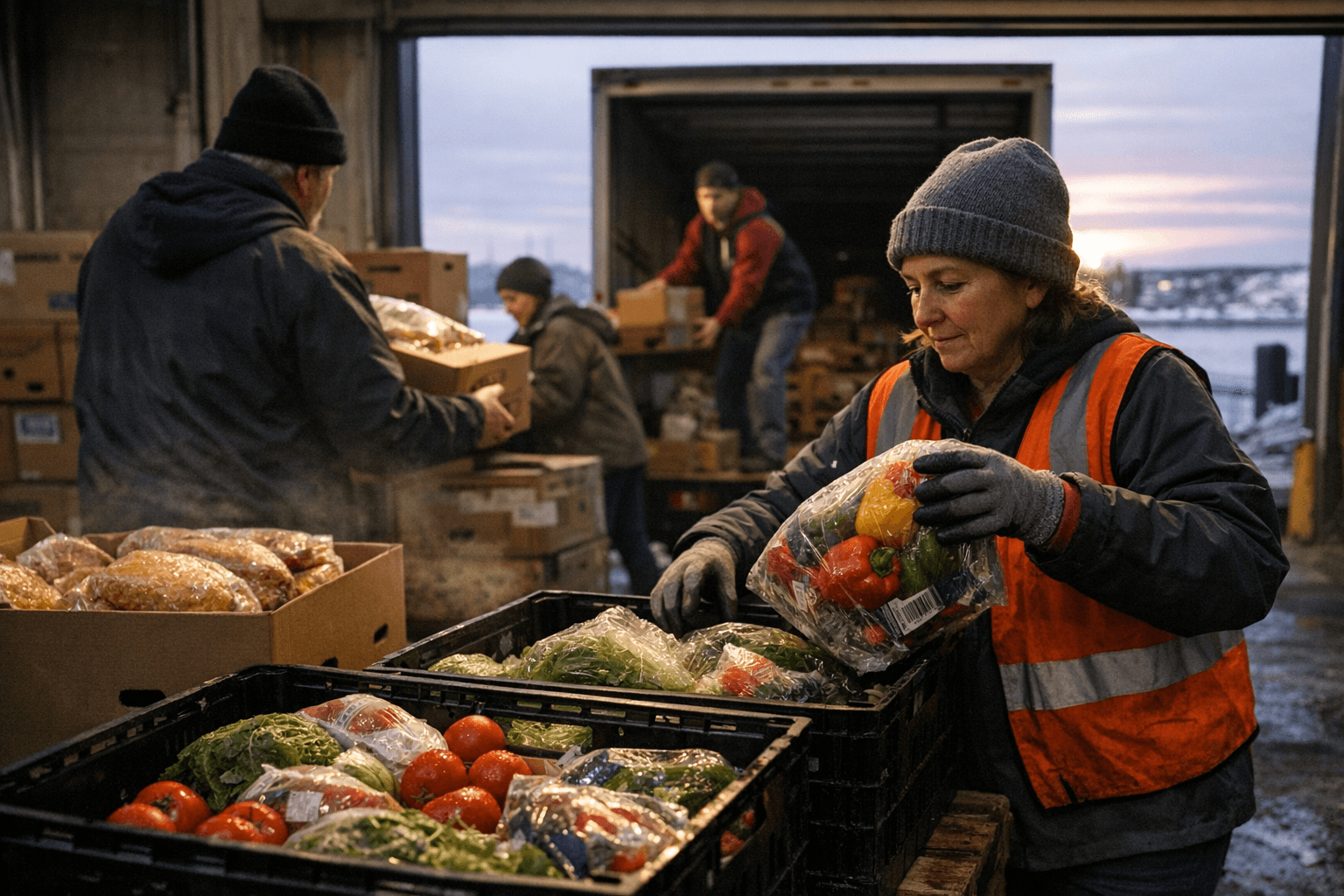
The rescue model combines routine donor pickups, refrigerated transport, volunteer sorting and agency distribution: Second Harvest’s trucks collect product multiple times per week, volunteers and staff carry out sorting and repackaging, and daily or near‑daily routes deliver items to food shelves and meal programs. Program materials note that food rescue alone now accounts for more than 40 percent of the food SHN moves, which both reduces waste—national estimates peg food loss and waste at roughly 30 to 40 percent of production—and supplies immediate relief for households facing rising grocery costs.
Demand pressure underpins the expansion: The Food Group recorded nearly 9 million Minnesota food shelf visits in 2024, and statewide demand stayed elevated into 2025. In response, Second Harvest Northland launched the public phase of a $20 million Nourish the Northland capital campaign in February 2025, reporting $11 million raised toward facility and distribution goals that aim to increase annual meals from about 11 million to 16 million by 2032.
The program’s limits are logistical and fiscal: smaller food shelves in St. Louis County often lack refrigeration, volunteer retention fluctuates, and transportation funding for refrigerated vans is uneven. Funders and local leaders have pointed to targeted investments—refrigerated vehicles, staffing grants and expanded cold storage—as the next steps to scale rescued grocery diversion into measurable relief for family budgets across the Northland.
This article was produced by Prism’s automated news system from verified source data, official records, and press releases, then run through automated quality and moderation checks before publishing. The system is built and supervised by the people who set the standards it runs under. Read our full AI policy.
Did this article answer your question?