Forest Service closes Boundary Waters entry points amid wildfire danger
Thirteen Boundary Waters entry points closed as 20 wildfires burned in the Superior National Forest, forcing refunds and detours for BWCAW trips.

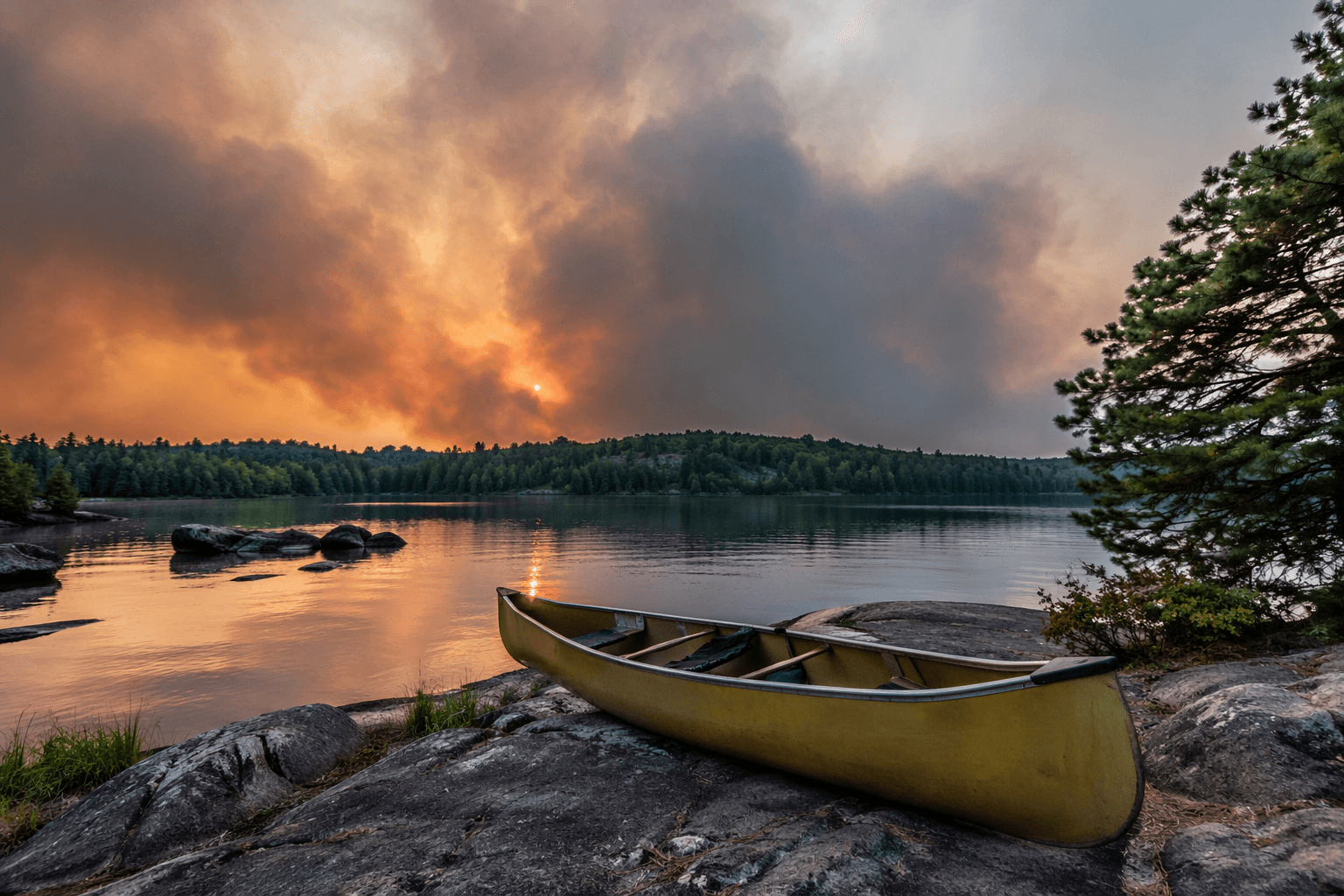
The U.S. Forest Service closed 13 Boundary Waters Canoe Area Wilderness entry points and banned campfires beginning at 12:01 a.m. July 11, forcing permit holders to reroute trips across the west side of the wilderness northwest of Ely. The order, Forest Order Number 09-09-06-26-07, came as the wildfire situation north of Ely moved from watchful monitoring into a direct access problem for campers, outfitters and local tourism businesses.
The closed access points included Angleworm Lake, Angleworm Trail, Blandin Trail, Herriman Trail, Little Indian Sioux River North, Little Vermilion Lake, Lac La Croix Only, Moose/Portage River North, Mudro Lake, South Hegman Lake, Stuart River and the Sioux Hustler Trail, along with associated recreation sites and trails. The closure applied to both day-use and overnight permittees. Affected permit holders were to be notified through their Recreation.gov accounts, and wilderness rangers were sent to sweep the closed areas to notify and assist visitors in the field.
Recreation fees will be refunded for permits tied to the listed entry points for travel beginning July 11 or later, but the $6 reservation fee will not be returned. Other BWCAW permits remained available elsewhere in the wilderness, along with 265 dispersed backcountry sites, 18 rustic no-fee campgrounds and 23 developed fee campgrounds outside the closure area.
The campfire ban covered building, maintaining, attending or using any campfire, including charcoal grills and barbecues, coal and wood-burning stoves, but gas or propane cook stoves were still allowed. The danger was high across all ownerships in northern Minnesota, and even small ignition sources such as smoking materials, dragging chains and recreational vehicles could start new fires.
By July 12, the Superior National Forest had 20 active wildfires in the forest, including five inside the BWCAW and one new fire, the Dark Fire. The largest listed fire was the Thumb Fire at about 20 acres, while Bear Trap, Thumb and Wolfpack were among the fire areas behind the closure. The forest had already banned campfires in early June, lifted that ban June 12, and then reinstated restrictions July 11 as lightning from a July 6 storm system left dry fuels exposed.
This article was produced by Prism’s automated news system from verified source data, official records, and press releases, then run through automated quality and moderation checks before publishing. The system is built and supervised by the people who set the standards it runs under. Read our full AI policy.
Did this article answer your question?