Fraternal Order of Police fundraiser in Hermantown supports officers’ mental health
Hermantown’s FOP spring fundraiser put officer mental health at center stage, pairing raffles and dinner with a push for peer support in the Lake Superior region.
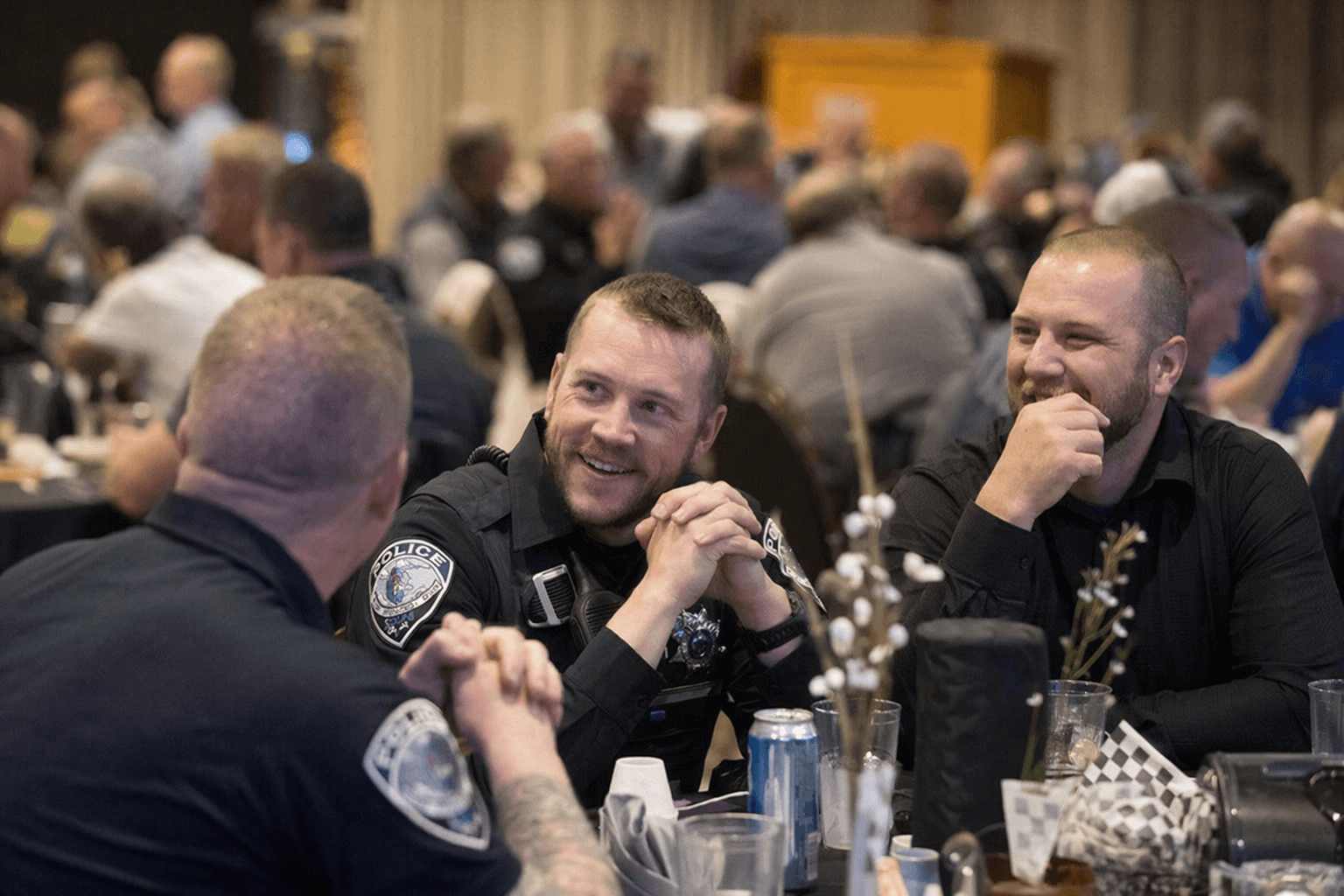
An annual police fundraiser in Hermantown put an often-hidden workplace issue in plain view: the toll law enforcement can take on officers’ mental health, families and long-term staffing.
The Fraternal Order of Police Lake Superior Lodge 9 held its spring fundraiser on March 29, 2025, at the AAD Shrine Event Center in Hermantown. The event included food, raffles and a silent auction, with Tig’s Smok’n Pib BBQ serving dinner. The lodge’s event listing put the gathering at 5152 Miller Trunk Hwy and scheduled happy hour from 4 to 5 p.m.
Troy Fralich, listed by the lodge as president, said the organization has stepped in before with practical help for members and their families, including gas cards, food cards and hotel expenses when people have to travel for medical care or remain away from home during a crisis. That kind of support points to a broader reality in public safety: mental health stress is rarely isolated to one officer or one incident, and the financial strain often lands on families as well.
Bob Leclaire, a Duluth police officer and FOP member, described the lodge as family-like and said being around other members who have lived through similar critical incidents has helped his own mental health. For officers who regularly respond to violence, death and trauma, that peer connection can function as more than social support. It can be part of how they keep showing up for work.
Minnesota law already recognizes peer counseling as a public-safety tool. State statute defines it to include group sessions, one-to-one contact and referrals to mental health or community support services, and the Minnesota Department of Public Safety says fully trained peer support team members must complete 30 hours of training. That framework suggests the issue is not whether support matters, but whether departments and local governments are providing enough of it.
The public-health stakes are well documented. CDC and NIOSH say police work is psychologically stressful and has been associated with higher risks for suicide and cardiovascular events. A CDC-backed 2024 analysis found law enforcement personnel were 54% more likely to die by suicide than decedents in the study population with a usual occupation.
For the Lake Superior region, the Hermantown fundraiser was more than a social event. It was a reminder that officer wellness is now a staffing issue, a retention issue and a public safety issue, and that local fundraisers are increasingly being asked to fill gaps that institutions have not fully closed.
This article was produced by Prism’s automated news system from verified source data, official records, and press releases, then run through automated quality and moderation checks before publishing. The system is built and supervised by the people who set the standards it runs under. Read our full AI policy.
Did this article answer your question?