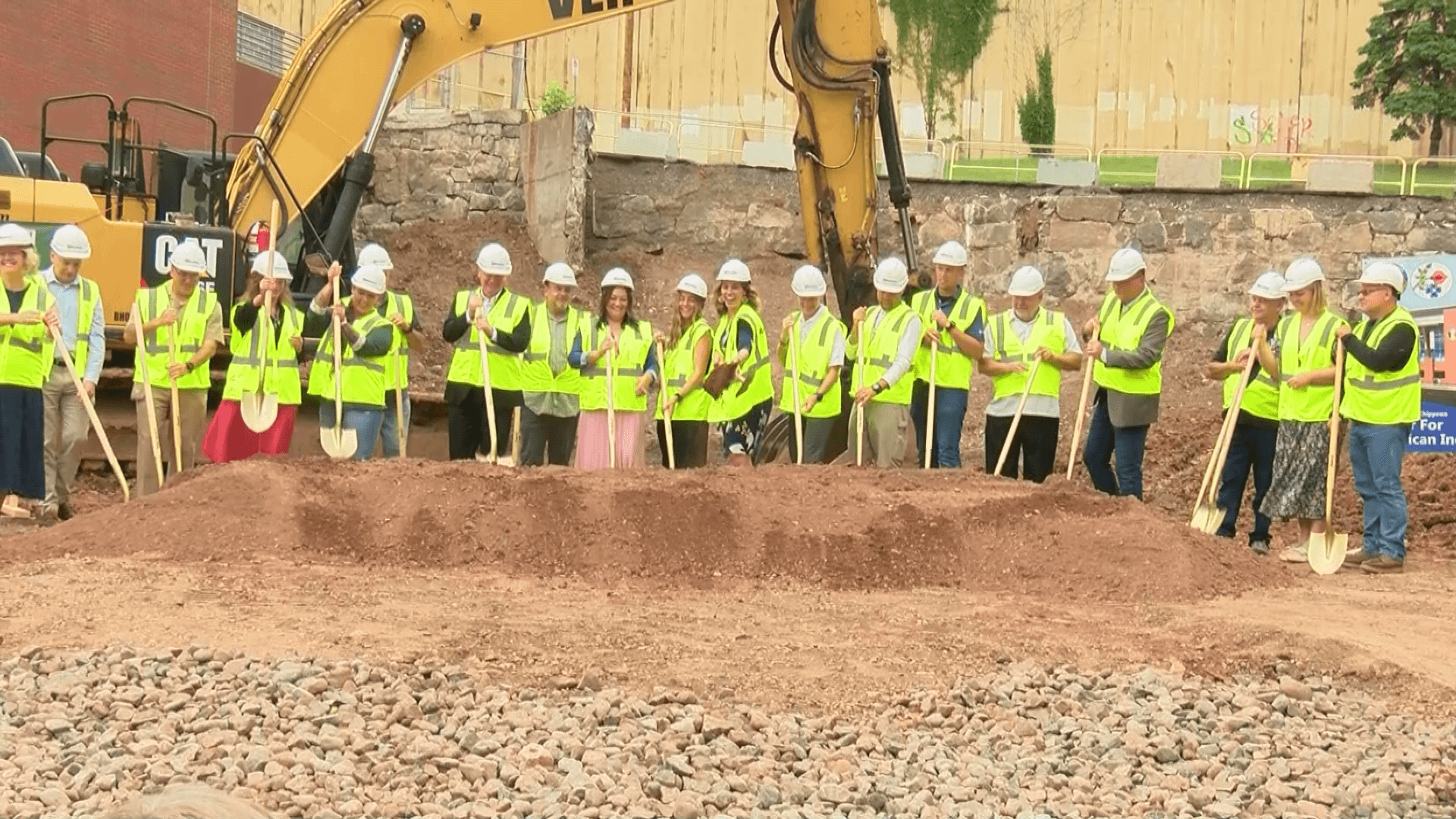
Klobuchar Visits UMD Medical School, Pushes for More Alzheimer's Funding
An estimated 120,000 Minnesotans now live with Alzheimer's, yet 85% of dementia diagnoses are made by primary care providers with no specialized training. Klobuchar brought her AADAPT bill to UMD's Memory Keepers lab.

Eighty-five percent of Alzheimer's and dementia diagnoses come from primary care providers who, in most cases, have received no formal specialized training in the disease. That is the gap U.S. Sen. Amy Klobuchar brought to the University of Minnesota Medical School's Duluth campus this week, along with a bipartisan bill she says would close it.
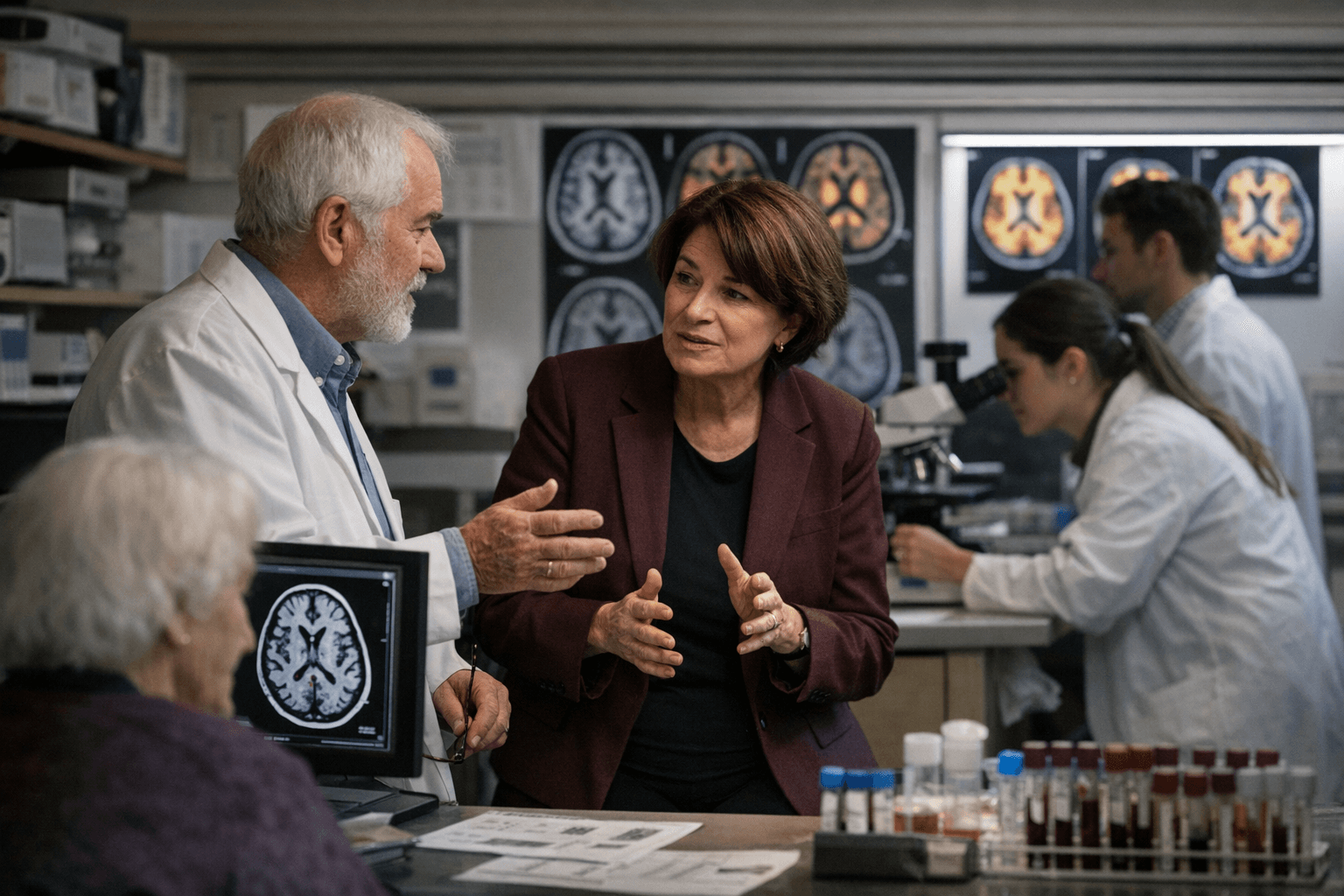
Klobuchar was joined at the Duluth campus by UMD Chancellor Charles Nies, Medical School Dean Dr. Kevin Diebel, and Dr. Kristen Jacklin, executive director of the Memory Keepers Medical Discovery Team, to highlight the Accelerating Access to Dementia and Alzheimer's Provider Training Act, known as AADAPT. Co-introduced with Sen. Shelley Moore Capito of West Virginia, the legislation would bolster training for primary care providers so they can better diagnose Alzheimer's and other forms of dementia and deliver high-quality, person-centered care in community-based settings. Its mechanism is designed specifically for rural reach: the bill would authorize grants for providers participating in structured virtual education programs focused on Alzheimer's and dementia care, offering free, remote continuing education led by dementia care experts.
For Dr. Jacklin's Memory Keepers team, the legislation aligns with work the Duluth lab is already doing on a nationally funded scale. Memory Keepers is focused on collaborative research to improve dementia outcomes in Indigenous and rural communities, working to preserve brain health through community-based research with both rural and Indigenous partners and large-scale analyses of state- and national-level data. The team's I-CARE project, a grant from the National Institute on Aging worth $1.5 million, supports community engagement and pilot research to develop a program focused on improving the lives of Indigenous persons with dementia and their families. Klobuchar also recognized the Memory Keepers team's work to ensure that advances in education or care reach rural and Indigenous communities.
In 2020, an estimated 99,000 Minnesotans aged 65 and older were living with Alzheimer's disease. By 2025, that number was projected to increase 21.2 percent to 120,000, driven largely by the state's aging population. Nationally, an estimated 7.2 million Americans age 65 and older are living with Alzheimer's in 2025, and that number is expected to double by 2060. Nearly 12 million Americans currently provide unpaid care for people with dementia.
The AADAPT Act was introduced by Senators Capito, Klobuchar, Jerry Moran, Cory Booker, Dan Sullivan, Andy Kim, James Lankford, and Maria Cantwell and has drawn a public endorsement from the Alzheimer's Association. The University of Minnesota Medical School's Duluth campus has recently expanded to a full four-year medical degree program, training physicians oriented toward regional and rural practice — precisely the providers AADAPT's grant-funded training is built to reach. Whether the bill advances in the current Congress will determine whether that investment in community-based dementia care gets the federal infrastructure to match the scale of the disease bearing down on northern Minnesota.
This article was produced by Prism’s automated news system from verified source data, official records, and press releases, then run through automated quality and moderation checks before publishing. The system is built and supervised by the people who set the standards it runs under. Read our full AI policy.
Did this article answer your question?