Lake Superior Zoo Euthanizes Angolan Colobus Monkey After Heart Failure Worsens
Embe’s death came after months of monitoring and a final diagnosis of terminal heart failure, underscoring the difficult medical choices behind zoo care in Duluth.
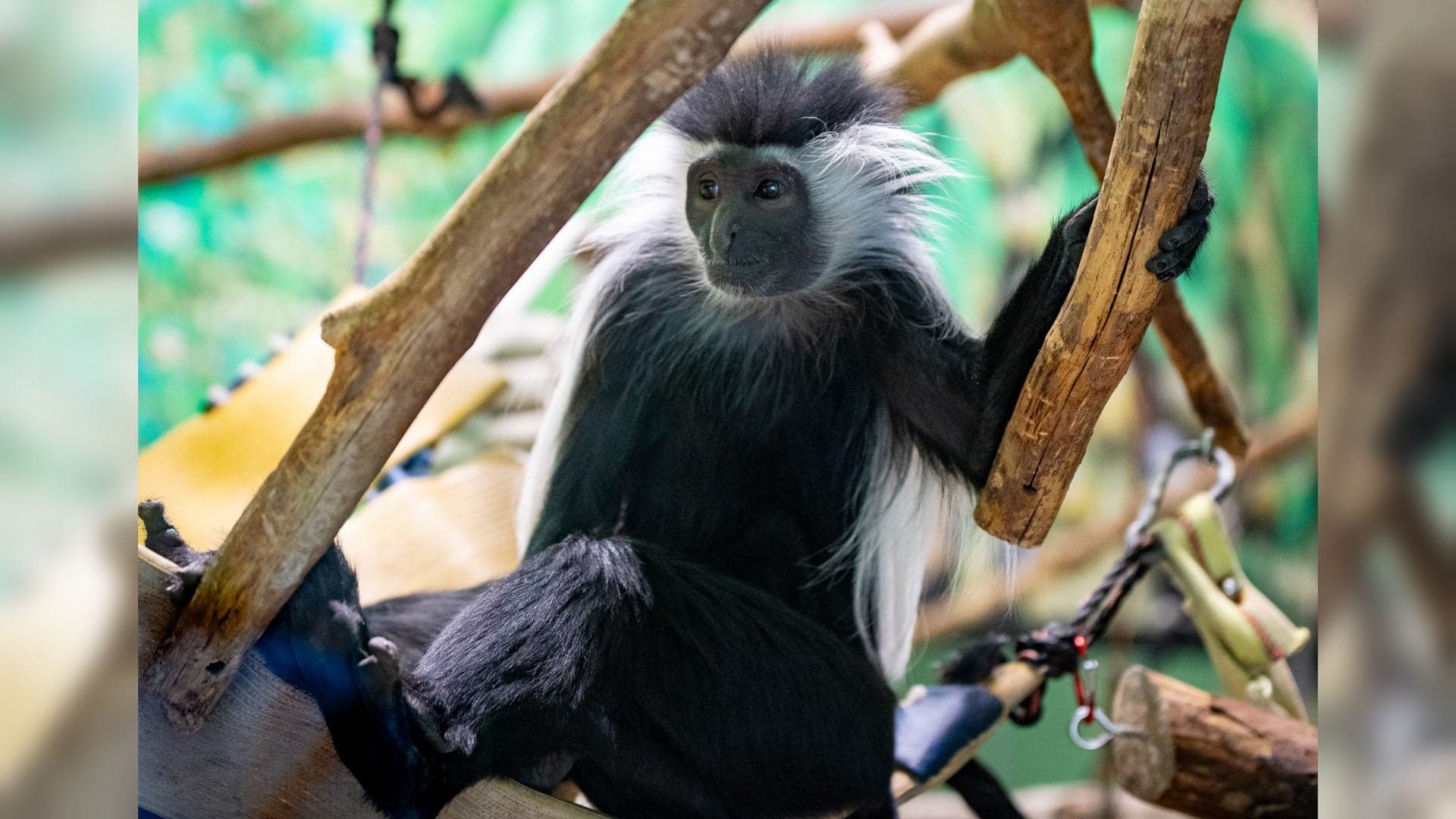
Embe, one of the Lake Superior Zoo’s Angolan colobus monkeys, was humanely euthanized after a malformed heart progressed to terminal congestive heart failure, a loss that reached far beyond her enclosure in Duluth.
The zoo said the heart condition had been discovered in the fall of 2025 and that a follow-up visit on April 29 led a veterinarian to determine Embe’s illness had become terminal. With no humane treatment left, staff chose euthanasia for quality-of-life reasons, placing her comfort, dignity and well-being at the center of the decision. The zoo said Embe was surrounded by people who knew and loved her.
That decision reflects the reality of modern zoo medicine, where veterinarians are often asked to balance prolonged monitoring, medical intervention and an animal’s day-to-day comfort. In Embe’s case, the zoo did not wait for a crisis before acting. The timeline shows months of observation after the malformed heart was found, followed by a final assessment when her condition worsened, a process that signals how seriously the institution treats the welfare of medically fragile animals.
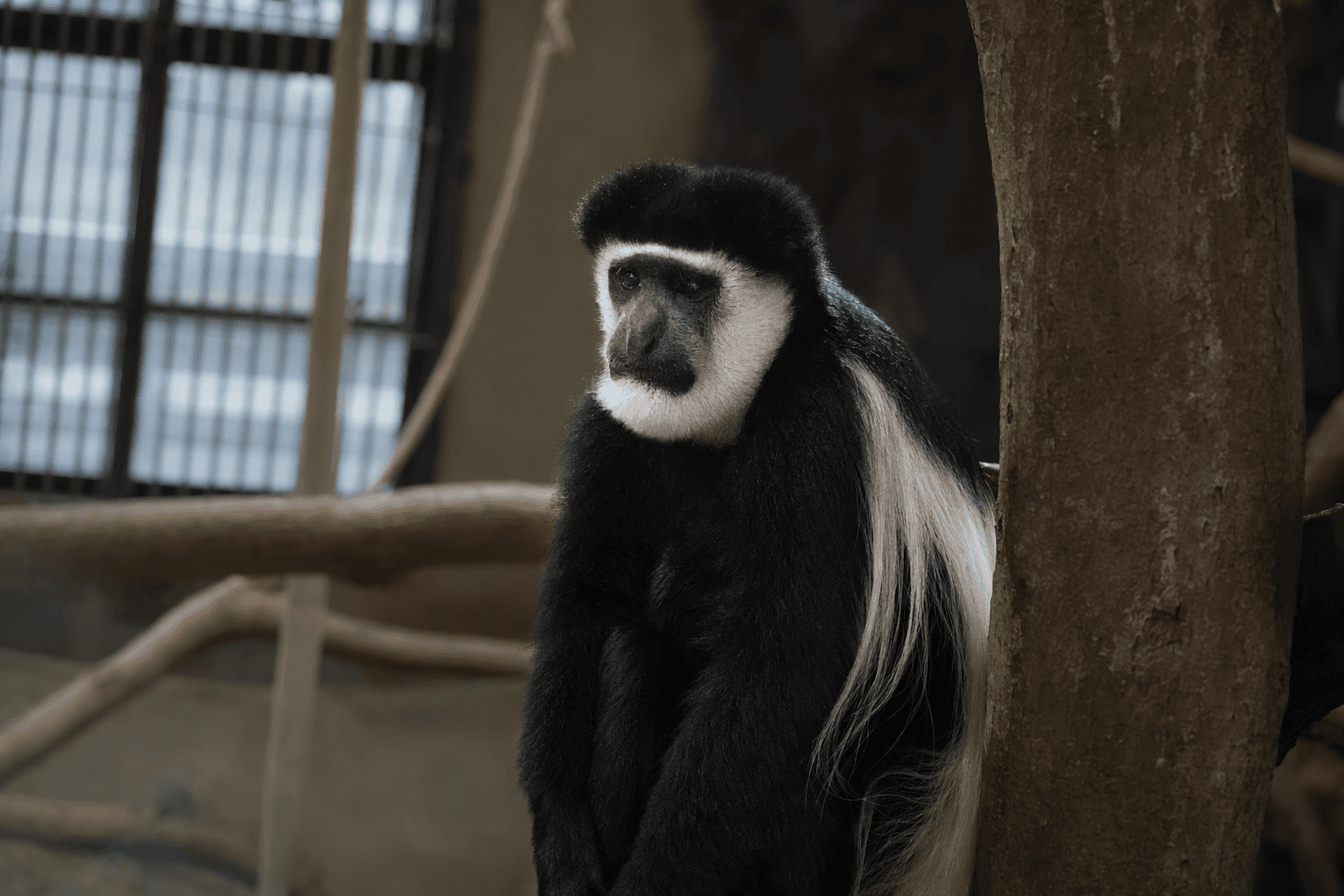
The loss also lands personally for many families who visit the zoo on the north side of Duluth and have watched the monkeys as part of their regular trips. Angolan colobus monkeys are among the zoo’s Species Survival Plan animals, and the Lake Superior Zoo says it works with Association of Zoos and Aquariums programs to help manage threatened and endangered species. WDIO reported in September 2025 that the zoo had three Angolan colobus monkeys, a father and two daughters, and earlier reporting in 2022 said only 88 lived in AZA-accredited zoos worldwide at that time.
Lake Superior Zoo says it is the only zoo in Northeastern Minnesota and Northwestern Wisconsin and describes itself as the 19th oldest zoo in the United States. Its annual-report materials say it has more than 140 species, a reminder that Embe was part of a much larger collection while still being familiar enough to matter to regular visitors and staff alike.
The zoo has taken the same public approach before. In 2022, it mourned the death of lion Leo and invited the community to pay respects, part of a pattern of acknowledging animal deaths openly rather than hiding them from the people who support the institution. For a zoo that serves St. Louis County and the wider region, Embe’s death also reinforces the standards visitors are supporting: close veterinary oversight, transparent decision-making and the willingness to choose mercy when treatment can no longer restore a life worth living.
This article was produced by Prism’s automated news system from verified source data, official records, and press releases, then run through automated quality and moderation checks before publishing. The system is built and supervised by the people who set the standards it runs under. Read our full AI policy.
Did this article answer your question?