Minnesota DNR seeks $4.3 million from Camp House fire starter
The DNR wants $4.3 million from the Duluth man tied to the Camp House fire, shifting wildfire costs off St. Louis County taxpayers.
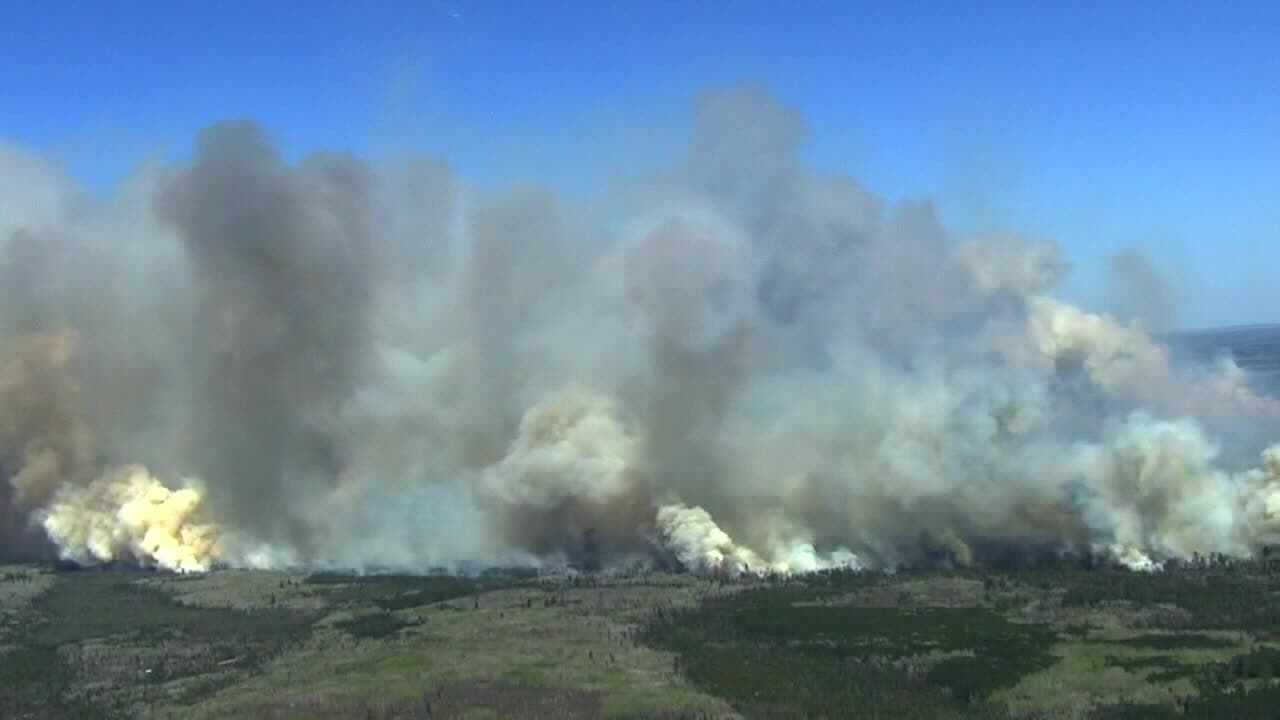
The Minnesota Department of Natural Resources has filed a civil lawsuit seeking $4.3 million from Parker Wilson, the Duluth man who pleaded guilty to starting the Camp House wildfire near Brimson. The claim is aimed at recovering firefighting costs from the person blamed for the blaze, instead of leaving the bill with state and local taxpayers.
The fire began on May 11, 2025, and burned for nearly two weeks before crews contained it. It grew to more than 12,000 acres in St. Louis County and destroyed more than 140 structures, with some reports putting the total above 150 in the Brimson area. During that stretch, Gov. Tim Walz called in the Minnesota National Guard to help with a response that included three major wildfires in northern Minnesota.
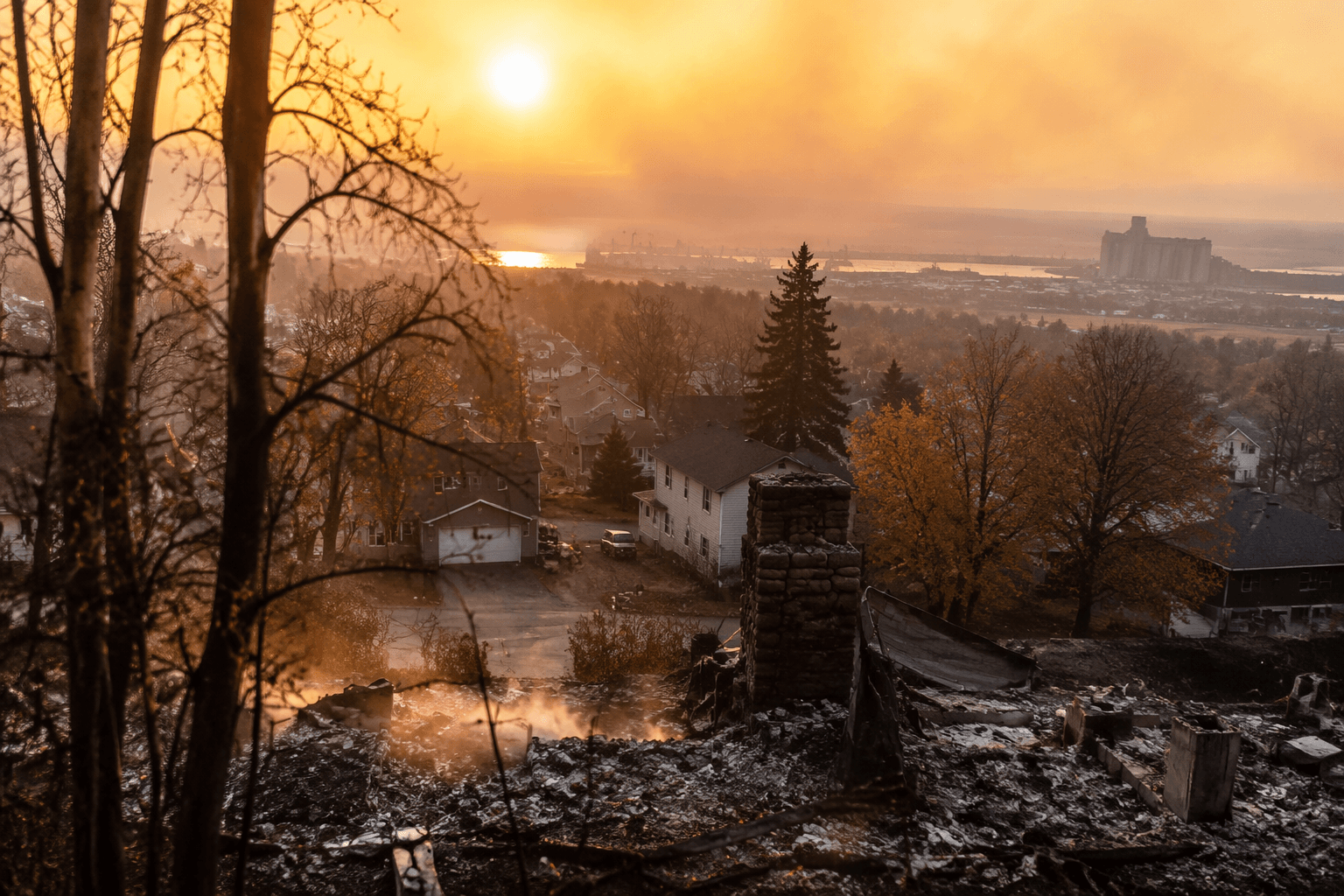
The damage spread far beyond the burned acreage. Some families were allowed back home to see what was left, and one Brimson woman told FOX 9 she lost the house she had built with her late husband. For people living around Brimson and the larger northland fire zone, the Camp House Fire became a long recovery from a fast-moving ignition that swallowed cabins, homes and public resources.
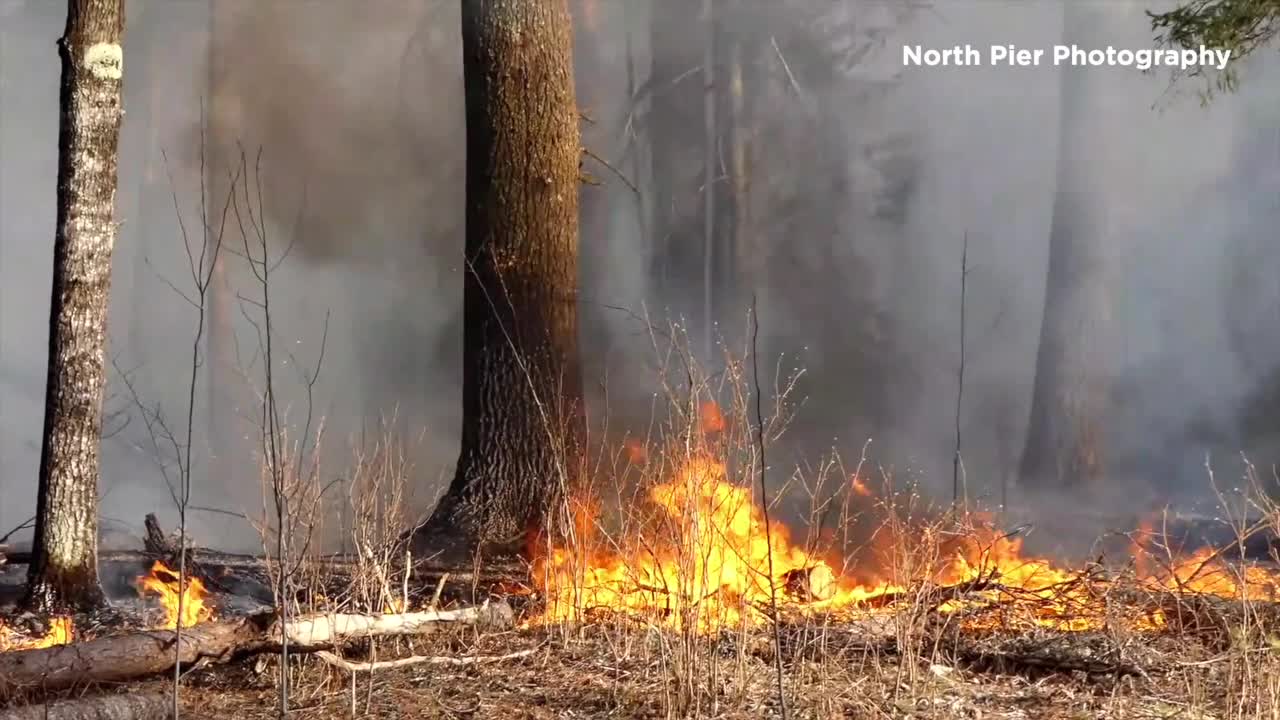
St. Louis County cited Wilson on Sept. 5, 2025, for misdemeanor failure to extinguish fire after investigators said the wildfire started as an unattended campfire. The county attorney’s office and the DNR worked together on that citation, and Wilson later pleaded guilty. The new civil case comes after those criminal proceedings and gives the state another path to try to recoup the cost of the response.
The filing also sharpens the financial lesson for the rest of the fire season. A campfire that is left unattended can turn into a multimillion-dollar liability, with the costs landing on crews, equipment, overtime and other public resources before any cleanup begins. If the DNR wins part or all of the claim, the case would shift more of that expense to the person responsible and reinforce the risk that comes with careless fires in dry northland conditions.
This article was produced by Prism’s automated news system from verified source data, official records, and press releases, then run through automated quality and moderation checks before publishing. The system is built and supervised by the people who set the standards it runs under. Read our full AI policy.
Did this article answer your question?