Mud Lake restoration to begin, final St. Louis River cleanup step
Mud Lake’s long-planned makeover will bring new marshes, deeper fish habitat and a railroad bridge, the final Minnesota-side cleanup step on the St. Louis River.

Mud Lake is about to become one of Duluth’s most visible cleanup sites, with a two-year restoration expected to start this summer and close out the last Minnesota-side project needed to help remove the St. Louis River estuary from the federal Areas of Concern list.
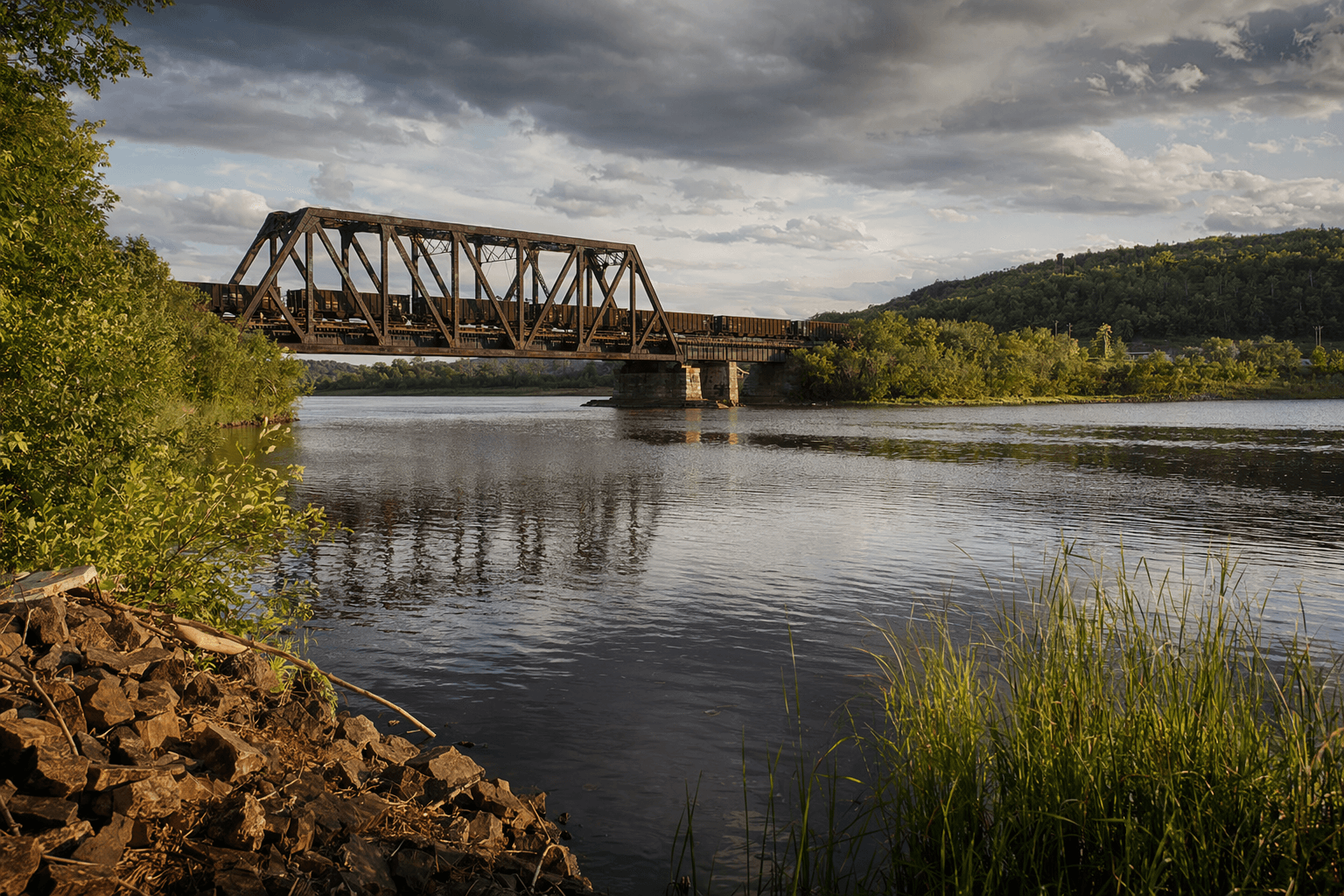
The work will be hard to miss. The Minnesota Department of Natural Resources says the project will clean contaminated soil, remove a concrete structure, cut a new channel, build deep-water habitat and marshes, and install a new 50-foot bridge across the Lake Superior and Mississippi Railroad causeway that runs through the lake. The goal is to improve hydrologic connectivity, reestablish habitat, reduce invasive species and strengthen the coastal wetland around Mud Lake.
That matters far beyond one shoreline. The St. Louis River Area of Concern is one of 31 U.S.-based Great Lakes cleanup sites created under the 1987 Great Lakes Water Quality Agreement. EPA says it is the second-largest U.S.-based AOC, draining 3,634 square miles and covering a 1,020-square-mile area across Minnesota and Wisconsin. It is also the largest tributary to Lake Superior, and its footprint includes the Port of Duluth-Superior, Spirit Lake and fish-spawning habitat central to the river’s identity and ecology.
For local residents, the biggest change will be what comes back into view as the work unfolds over the next two construction seasons. Mud Lake is part of the St. Louis River Restoration Initiative, and Phase 8 aims to restore and enhance 30 acres and 5,000 feet of priority habitat. State materials identify Mud Lake as a warm-water fish and migratory bird restoration project, which means the payoff will be measured in living shoreline, not just in dredged earth or new infrastructure.
The project has already moved through a lengthy review process. The DNR opened a public comment period on the environmental assessment worksheet from April 15, 2025, through 4:30 p.m. on May 22, 2025, and later issued a record of decision saying an environmental impact statement is not required. The St. Louis River Alliance said the Minnesota DNR received $12.28 million from EPA’s Great Lakes Restoration Initiative for the Mud Lake habitat work.
The restoration is the latest step in a cleanup arc that has been underway for decades. EPA says a 2016 study found 60% to 85% of the estuary surface met pollution limits for total phosphorus, suspended sediments and chlorophyll a, and several beneficial use impairments have already been removed, including fish tumors, eutrophication or undesirable algae, aesthetics and degraded fish and wildlife populations. The agency describes the larger strategy as remediation, then restoration, then revitalization.
This summer, Mud Lake should start to look less like a cut-through left behind by industry and more like a functioning piece of estuary again. Over the next two years, Duluth will see the cleanup deepen into the shoreline itself, with the final Minnesota-side work pushing the St. Louis River one step closer to full recovery.
This article was produced by Prism’s automated news system from verified source data, official records, and press releases, then run through automated quality and moderation checks before publishing. The system is built and supervised by the people who set the standards it runs under. Read our full AI policy.
Did this article answer your question?