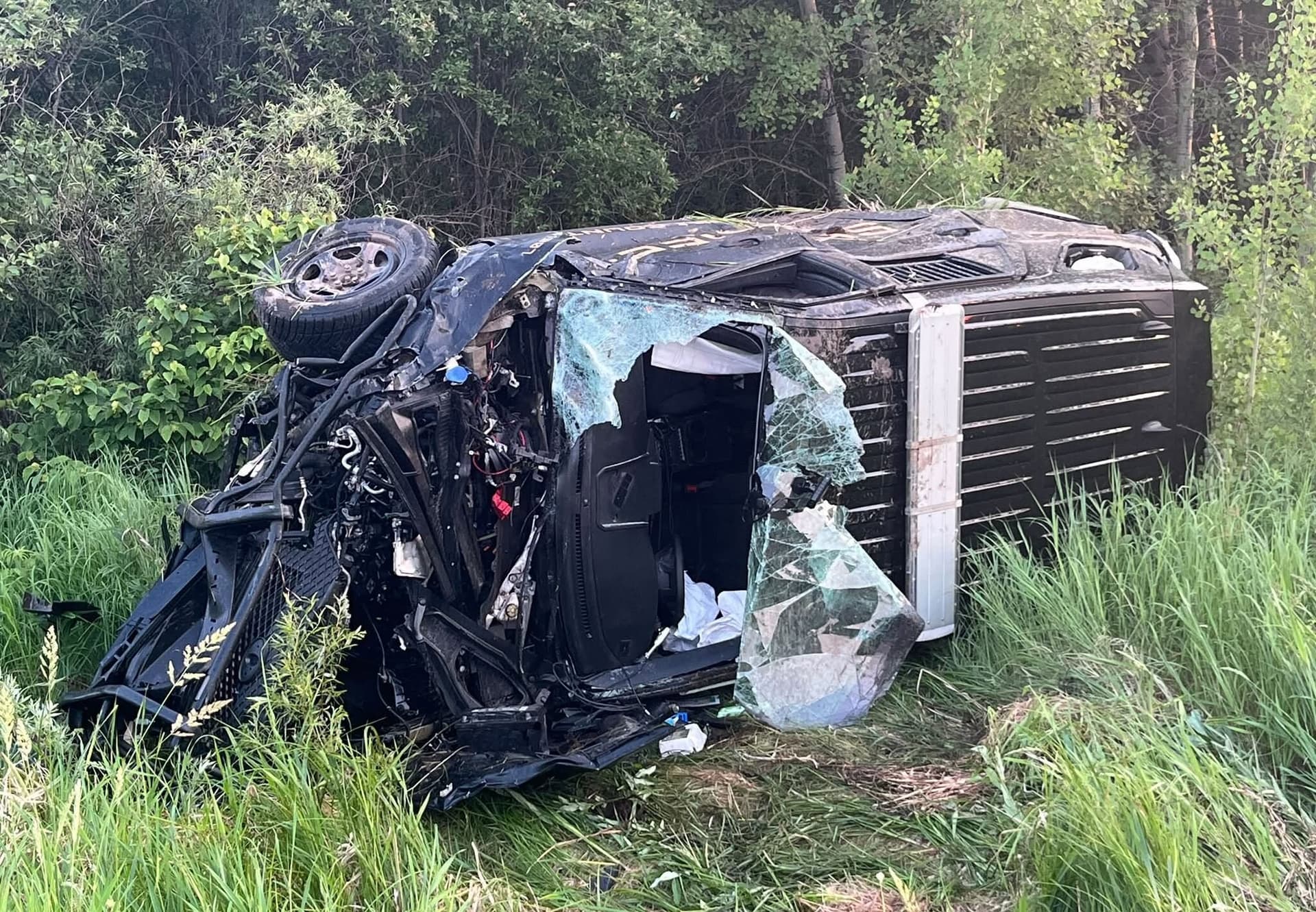
South St. Louis County DWI Court gets national attention for treatment model
A Duluth man who thought his life was over found a different path in South St. Louis County DWI Court, which has graduated more than 250 people.
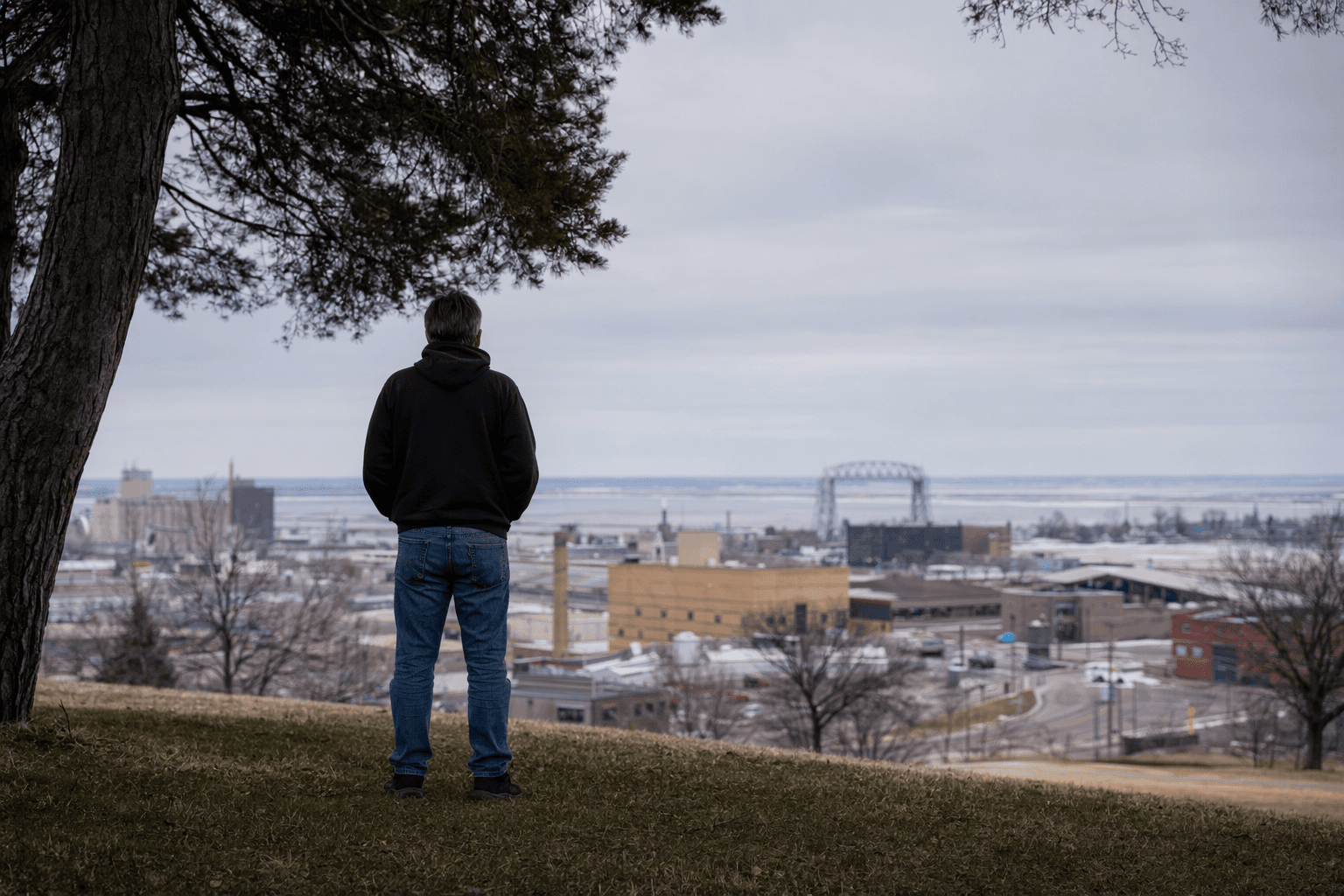
Dustin Clemmens was sitting in jail last summer, facing felony first-degree impaired-driving charges, when he thought his life was over. Then probation officer Russ Spurrier offered him a different route out of custody: South St. Louis County DWI Court, a program built around treatment, close supervision and constant accountability.
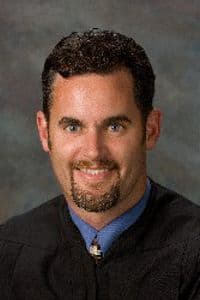
That choice has helped define why the court has drawn national attention. Instead of processing impaired-driving defendants through standard sentencing alone, the program uses regular appearances before Judge Shaun R. Floerke, intensive probation supervision, random drug and alcohol testing, and immediate sanctions and incentives. The goal is not simply punishment. It is to change the behavior that keeps bringing repeat offenders back into the criminal system and onto county roads.
The National Highway Traffic Safety Administration says DWI courts are designed for repeat offenders or drivers with blood alcohol concentrations of .15 g/dL or higher. As of May 2020, the agency counted 269 designated DWI courts in 31 states, down from 278 in 34 states two years earlier. In that national landscape, the South St. Louis County program stood out enough to be designated one of four Academy Courts, chosen from more than 700 DWI courts nationwide for a three-year term.
The recognition was formalized during a May 5 ceremony at the St. Louis County Courthouse in Duluth. Minnesota court materials said the court has operated since January 2008 and had graduated more than 250 participants, with 38 active participants and 26 graduate participants at the time of the earlier recognition. Those numbers matter because they point to a model that has moved well beyond a pilot stage and into a durable part of the local justice system.
Floerke, who founded and presides over the court, has been tied to impaired-driving reform in the county for years. A 2014 state award described him as a pioneer in reducing impaired driving and cited his work on ignition interlock and first-offender screening and brief intervention. The national honor also lands in a county that has seen the consequences of addiction at scale: a Minnesota Judicial Branch account said St. Louis County had the highest per-capita rate of opioid overdoses and that fatal heroin and opioid overdoses rose 108% from 2011 to 2015.
Minnesota court guidance says treatment courts can improve education, employment, housing and financial stability while promoting family reunification. In a county where the Sixth Judicial District handles more than 59,000 case filings a year, and where St. Louis County is the only county in Minnesota with chambered judges in Duluth, Hibbing and Virginia, the court’s approach has become a local test of whether justice can prevent the next crash instead of waiting to punish it.
This article was produced by Prism’s automated news system from verified source data, official records, and press releases, then run through automated quality and moderation checks before publishing. The system is built and supervised by the people who set the standards it runs under. Read our full AI policy.
Did this article answer your question?