Northland Diesel Prices Near $4.88, Squeezing Small Trucking Businesses Hard
Diesel near $4.88 a gallon in the Northland is $1.30 above last year, forcing Duluth's Kivi Brothers Trucking and small St. Louis County carriers to defer maintenance and raise freight rates.
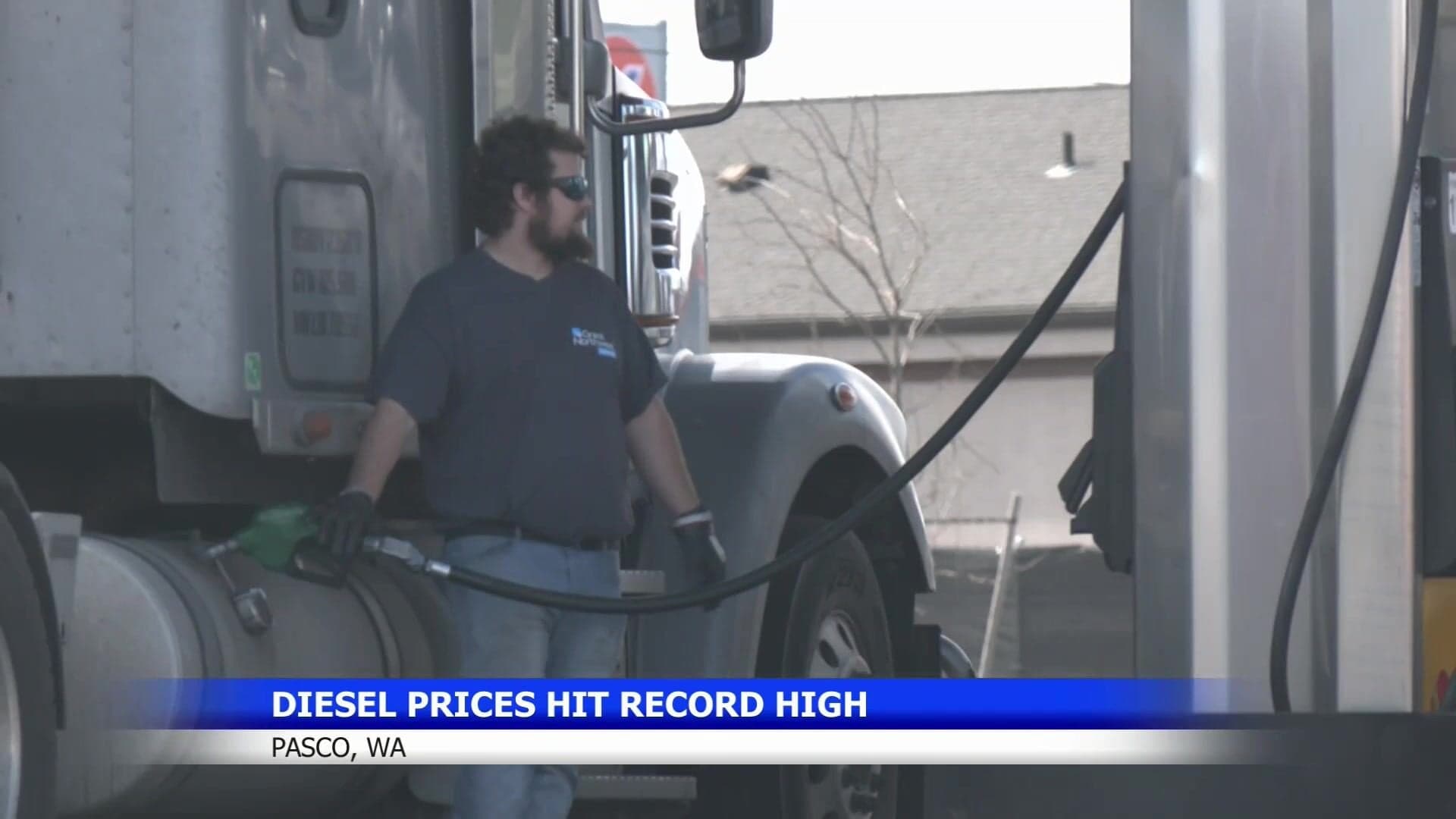
Dakota Kivi, heavy haul logistics coordinator at Kivi Brothers Trucking in Duluth, said the Northland has lived through five-dollar diesel before. It has never arrived this fast. AAA put the regional average at $4.88 per gallon this week, a $1.30 spike above the same point last year and the product of three months of sustained climbing that has left Northland carriers, independent drivers and Twin Ports freight businesses searching for relief.
"I don't think we've ever seen this large of an impact in that short of a time frame," Kivi said.
The speed of the surge is what separates this stretch from previous diesel spikes. Prices remain below the record levels the region hit in 2022, but the velocity has compressed decisions that carriers normally make gradually into urgent, immediate tradeoffs. Drivers are rerouting to find cheaper pumps, stretching out service intervals, and pushing maintenance deferrals that eat into the safety margin most small operators prefer to keep. Where those savings aren't enough, freight rates go up, and customers absorb the difference.
Fuel represents roughly 21 percent of a truck's total cost per mile, according to the American Trucking Associations Research Institute. At $4.88 per gallon, that figure turns a week-to-week price move into a significant budget event for an owner-operator running a regional haul between Duluth, the Iron Range and Superior. National fleets cushion that exposure through bulk-discount contracts with major fuel suppliers; Northland's smaller carriers, including the independent owner-operators who handle much of St. Louis County's local delivery work, pay close to the posted pump price with limited ability to negotiate.
The costs don't stop at the cab door. Elevated diesel prices filter into freight rates for groceries, building materials and industrial supplies, commodities that depend on trucking as their primary distribution channel. That pass-through tends to lag by weeks, meaning St. Louis County residents may not see the full effect on store shelves until carriers have already been absorbing the hit for some time.
The driver behind the current spike is primarily geopolitical. Crude oil has climbed above $100 per barrel following escalating conflict involving Iran, tightening refinery supply chains that set the national floor for diesel pricing. Minnesota's fuel taxes and regional distribution costs add to what Northland operators pay at the pump.
Carriers that can absorb the short-term pressure are leaning on route consolidation and targeted discounts at select truck stops. Longer-term investments in fuel efficiency and alternative fuel equipment are options local trucking groups have raised, though those require capital that most small St. Louis County operators don't have immediately available. Without policy support or a pullback in crude prices, the arithmetic of sustained diesel at this level points toward reduced route coverage, fewer service options for outlying Iron Range communities, and continued upward pressure on the freight costs woven into everyday life across the Northland.
Here is the formatted final response:
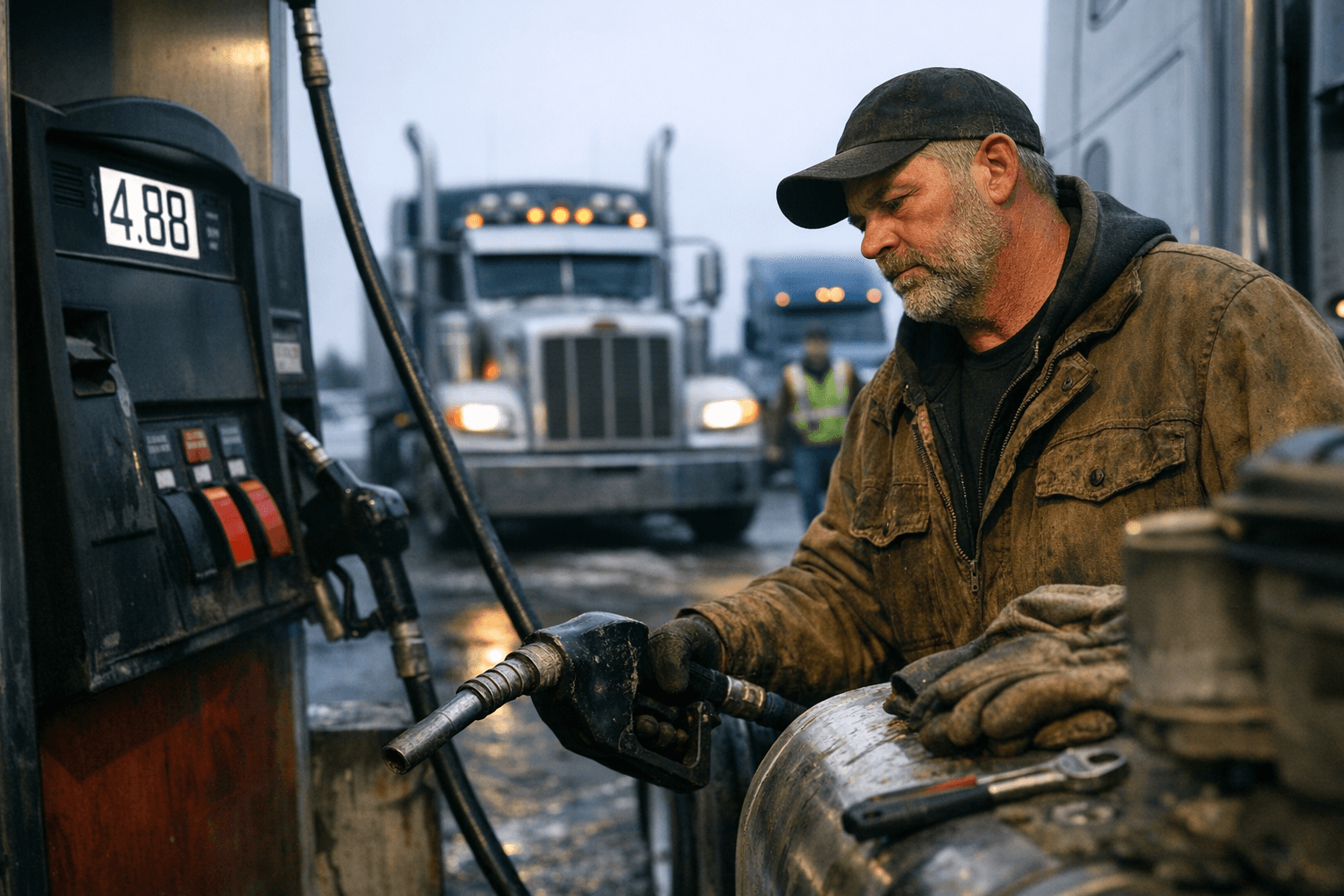
SUMMARY: Diesel near $4.88 a gallon in the Northland is $1.30 above last year, forcing Duluth's Kivi Brothers Trucking and small St. Louis County carriers to defer maintenance and raise freight rates.
CONTENT:
Dakota Kivi, heavy haul logistics coordinator at Kivi Brothers Trucking in Duluth, said the Northland has lived through five-dollar diesel before. It has never arrived this fast. AAA put the regional average at $4.88 per gallon this week, a $1.30 spike above the same point last year and the product of three months of sustained climbing that has left Northland carriers, independent drivers and Twin Ports freight businesses searching for relief.
"I don't think we've ever seen this large of an impact in that short of a time frame," Kivi said.
The speed of the surge is what separates this stretch from previous diesel spikes. Prices remain below the record levels the region hit in 2022, but the velocity has compressed decisions that carriers normally make gradually into urgent, immediate tradeoffs. Drivers are rerouting to find cheaper pumps, stretching out service intervals and pushing maintenance deferrals that eat into the safety margin most small operators prefer to keep. Where those savings aren't enough, freight rates go up and customers absorb the difference.
Fuel represents roughly 21 percent of a truck's total cost per mile, according to the American Trucking Associations Research Institute. At $4.88 per gallon, that figure turns a week-to-week price move into a significant budget event for an owner-operator running a regional haul between Duluth, the Iron Range and Superior. National fleets cushion that exposure through bulk-discount contracts with major fuel suppliers; Northland's smaller carriers, including the independent owner-operators who handle much of St. Louis County's local delivery work, pay close to the posted pump price with limited ability to negotiate.
The costs don't stop at the cab door. Elevated diesel prices filter into freight rates for groceries, building materials and industrial supplies, commodities that depend on trucking as their primary distribution channel. That pass-through tends to lag by weeks, meaning St. Louis County residents may not see the full effect on store shelves until carriers have already been absorbing the hit for some time.
The driver behind the current spike is primarily geopolitical. Crude oil has climbed above $100 per barrel following escalating conflict involving Iran, tightening refinery supply chains that set the national floor for diesel pricing. Minnesota's fuel taxes and regional distribution costs add to what Northland operators pay at the pump.
Carriers that can absorb the short-term pressure are leaning on route consolidation and targeted discounts at select truck stops. Longer-term investments in fuel efficiency and alternative fuel equipment are options local trucking groups have raised, though those require capital that most small St. Louis County operators don't have immediately available. Without policy support or a pullback in crude prices, the arithmetic of sustained diesel at this level points toward reduced route coverage, fewer service options for outlying Iron Range communities and continued upward pressure on the freight costs woven into everyday life across the Northland.
This article was produced by Prism’s automated news system from verified source data, official records, and press releases, then run through automated quality and moderation checks before publishing. The system is built and supervised by the people who set the standards it runs under. Read our full AI policy.
Did this article answer your question?