Northland disability providers warn Medicaid disenrollment is disrupting care
Disenrollment notices from Minnesota DHS are putting Northland disability rides and care coordination at risk, with providers warning they may burn savings just to make payroll.
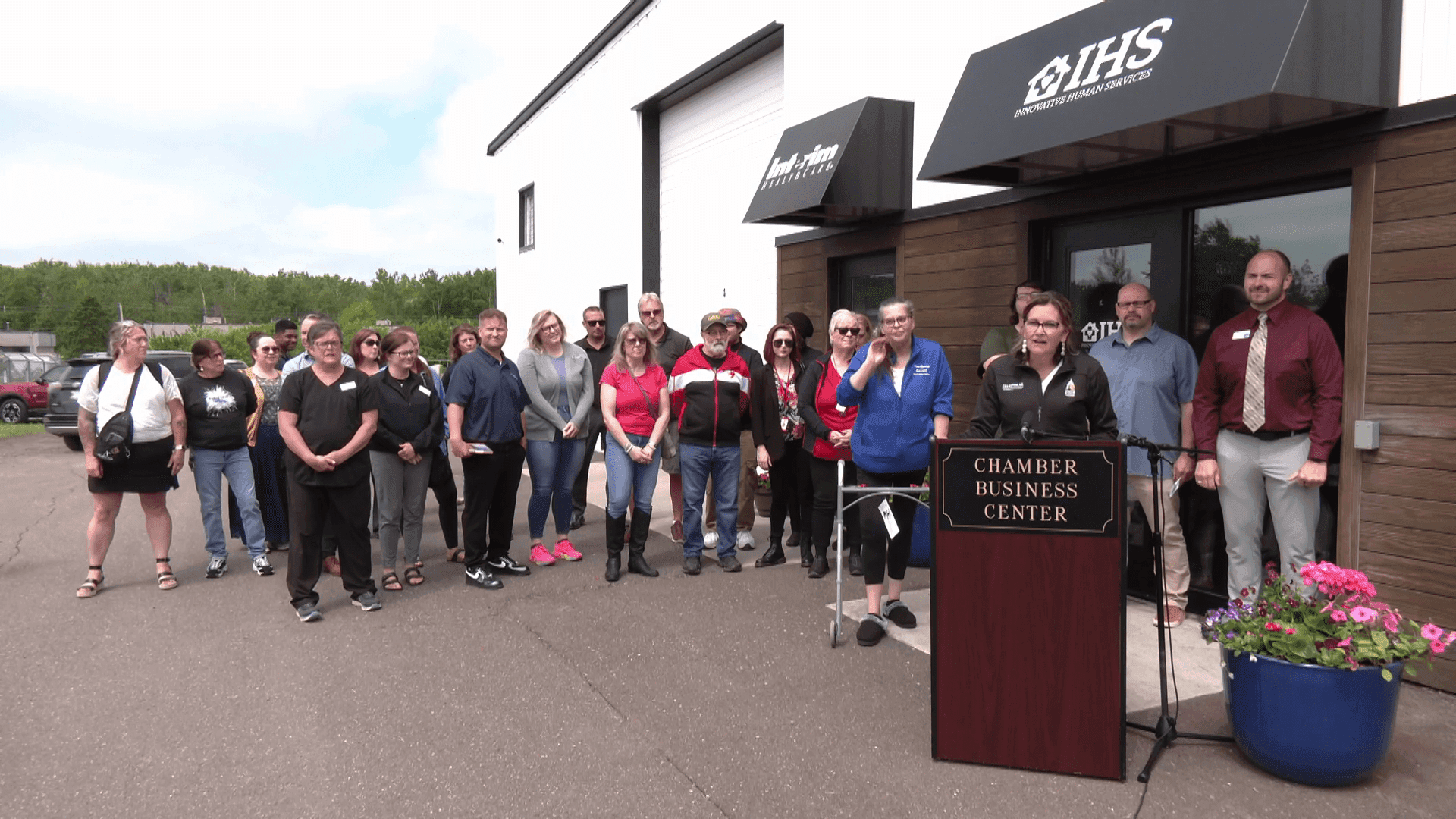
Northland disability providers say Minnesota’s Medicaid disenrollment push is already interrupting rides, care coordination and billing, leaving disabled residents in St. Louis County and across the region exposed to gaps in service. Several agencies said they received notices from the Minnesota Department of Human Services and are now racing through appeals while still trying to get clients to dialysis, appointments and other critical care.
Jodi Pinske said the fallout has been immediate and personal. “I’ve been calling clients and telling them, and they have been crying, asking what they can do,” she shared. Providers said those calls are happening while families are trying to figure out whether transportation, waiver services and other supports will still be available if the agency is not restored quickly.

The state says the review is part of Minnesota Revalidate 2026, a broader effort launched Jan. 26 after Gov. Tim Walz ordered a third-party audit of billing for 14 high-risk Medicaid services on Oct. 29, 2025. DHS said it reviewed and verified nearly 5,600 providers across 13 high-risk Medicaid service areas, and that more than 3,400 providers received disenrollment notices. Disenrolled providers cannot bill for services, and they have 60 days from notice to appeal. Official notices are sent through the provider’s MN-ITS mailbox, including the PRVLTR folder.
Providers told WDIO the process has been chaotic. One said an appeal hit paperwork problems tied to mismatched dates. Another said a clerical issue involving who was listed as an authorized individual led to disenrollment even though the service had years of experience. Those kinds of errors, they warned, are not just administrative headaches. They can cut off reimbursement for agencies that rely on Medicaid dollars to keep staff on payroll and keep vans on the road.
Rep. Natalie Zeleznikar joined providers in pressing for a faster, more organized response, including an incident command center staffed to handle appeals. Her concern mirrors the fear voiced by agencies that some providers will have to dip into savings or shut down before the appeals process is finished, which would leave clients without transportation or support.
DHS says the revalidation effort is meant to remove noncompliant and potentially fraudulent providers and protect about $2 billion in federal Medicaid funding. But the stakes are wider than agency balance sheets: 1.3 million Minnesotans rely on Medicaid, and The Arc Minnesota estimates about 90,000 Minnesotans live with intellectual and developmental disabilities, many of whom depend on the very services now caught in the review.
This article was produced by Prism’s automated news system from verified source data, official records, and press releases, then run through automated quality and moderation checks before publishing. The system is built and supervised by the people who set the standards it runs under. Read our full AI policy.
Did this article answer your question?