Rotary volunteers clean Park Point shoreline to protect Lake Superior
Volunteers pulled litter and microplastics from Park Point, a five-mile sandbar that shields Duluth's harbor and greets summer beachgoers.
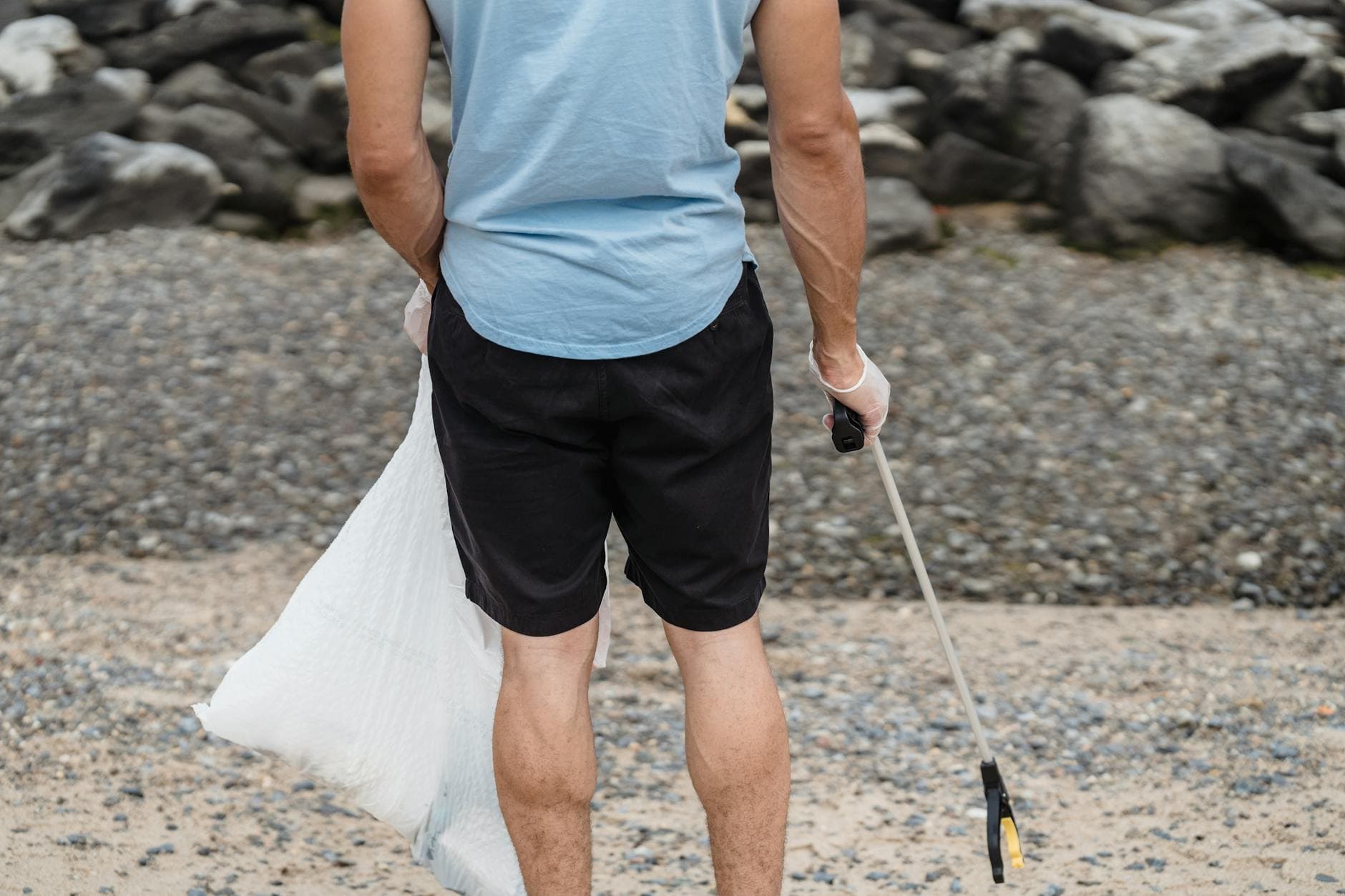
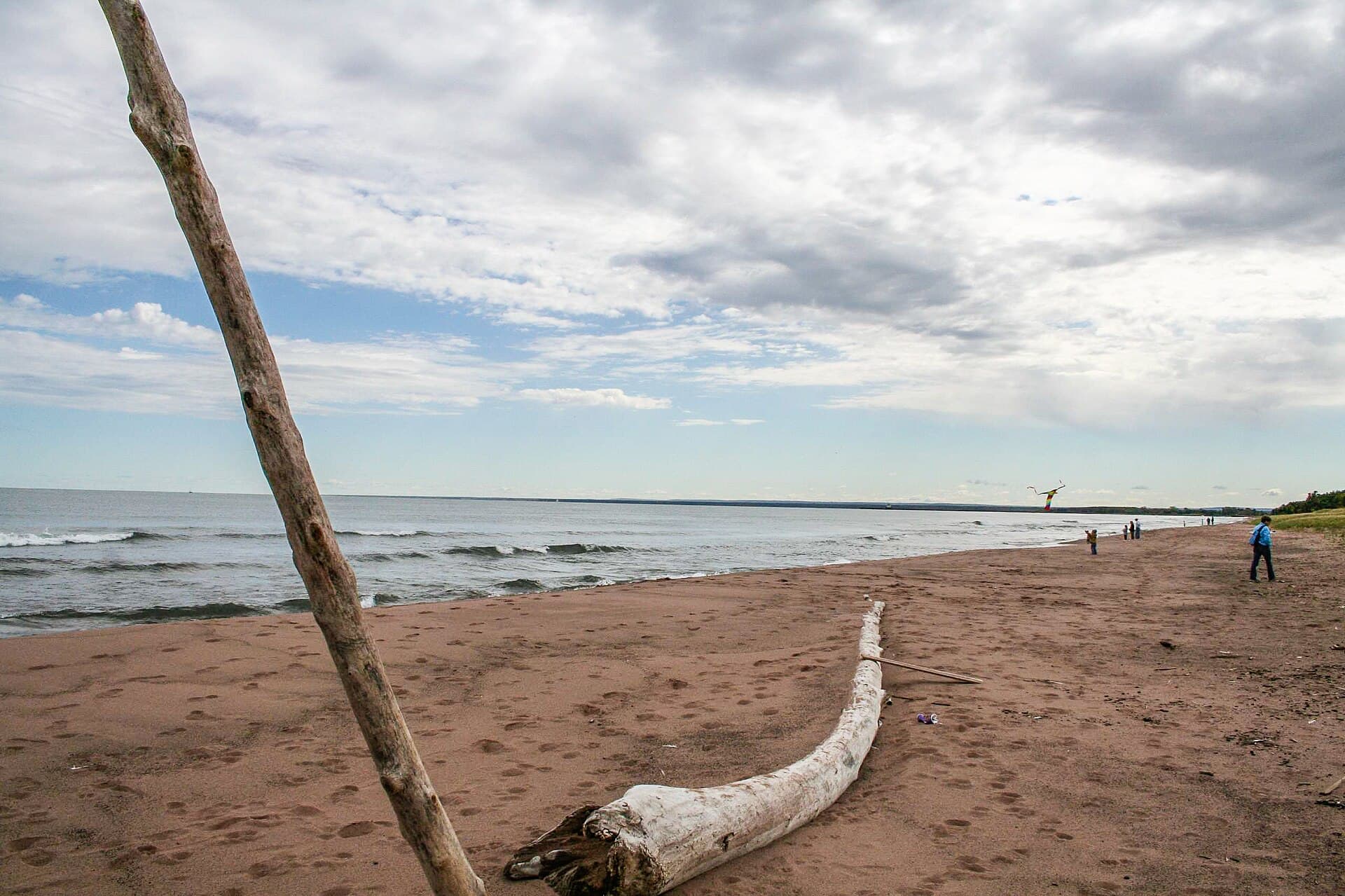
Park Point’s narrow strip of sand is more than scenery. On April 25, Rotary volunteers spent a spring morning picking litter and microplastics off the shoreline behind the Park Point Beach House, working along a beach that is more than five miles long and only about two blocks wide, yet critical to protecting the Duluth-Superior harbor from Lake Superior storms.
Members of the Duluth-Superior Eco Rotary Club were joined by volunteers from Harbor Town Rotary, Skyline Rotary and Superior Rotary as part of Rotary’s Unite for Water initiative. The cleanup ran from 10 a.m. to noon and was one local piece of a larger effort that Rotary District 5960 said stretched across five districts, four U.S. states and one Canadian province, with more than 9,200 Rotarians taking part in April activities tied to Earth Day.
The work carried practical stakes for St. Louis County, where Park Point serves as one of Duluth’s most visible public spaces. Families use the beach, swimmers wade in the lake and visitors come to the sandbar for the same view that makes it a tourism draw. When trash is left behind, it is not just a cosmetic problem. It can break down into smaller pieces, move into the water and add to the plastic pollution already being tracked in the region.
Researchers at the University of Minnesota and Minnesota Sea Grant have documented microplastics in western Lake Superior beach sand and surface water, and Sea Grant says those particles are also present in Lake Superior and the St. Louis estuary, where scientists are studying where the plastic comes from and how it travels. That makes cleanup days on Park Point part of a larger environmental fight, not just a spring beautification project.
Jill Baum of the Eco Rotary club said removing litter helps keep it from breeding more litter. Club president Rebecca Hudoba described Lake Superior as the Northland’s most valuable resource. The club says it focuses on environmental conservation and community improvement, and its members plan to keep working beyond Park Point by helping manage waste stations at Harvest Fest and teaching people what belongs in compost, recycling or the trash.
Rotary International has increasingly emphasized protecting the planet and its resources, including clean water and sanitation. On Park Point, that mission is visible in the simplest way possible: volunteers on a windy shoreline making sure less of what gets left behind ends up in Lake Superior.
This article was produced by Prism’s automated news system from verified source data, official records, and press releases, then run through automated quality and moderation checks before publishing. The system is built and supervised by the people who set the standards it runs under. Read our full AI policy.
Did this article answer your question?