St. Louis County funds music therapy for veterans in treatment court
St. Louis County is using $12,000 in forfeiture money to send veterans in treatment court to music therapy, a test of whether healing can also mean fewer relapses.
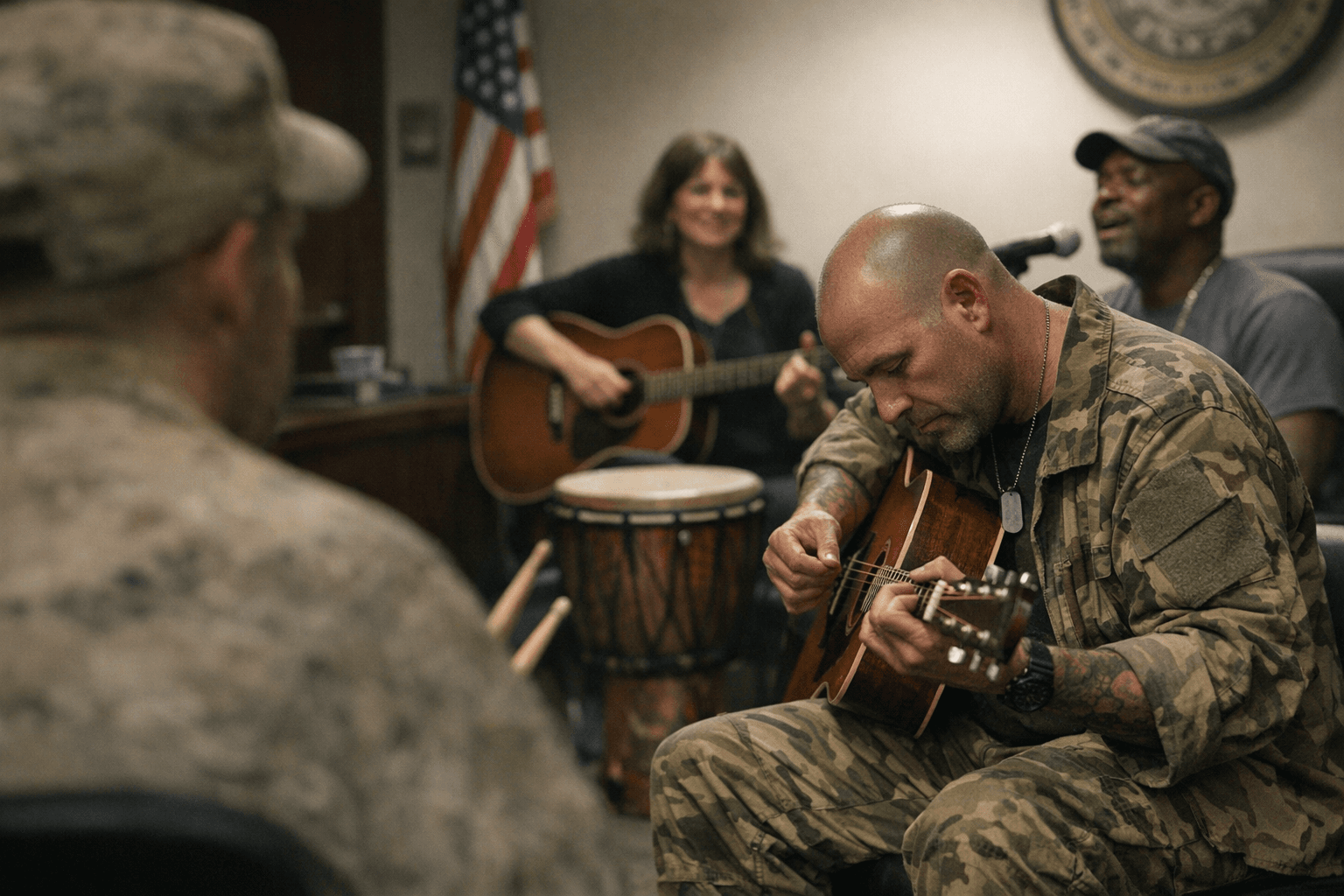
St. Louis County is putting $12,000 in criminal forfeiture money into a music-therapy program for veterans in the Sixth Judicial District Veterans Treatment Court, turning seized proceeds into a test case for whether treatment can improve compliance, stability and public safety.
The money will cover enrollment in the national Challenge America Music Therapy Retreat, which pairs veterans with a certified therapist and songwriting work aimed at post-traumatic stress and military sexual trauma. The county attorney’s office said the forfeiture funds came from criminal property cases and may be used for grants aligned with the office’s mission and values. County Attorney Kim Maki called it a “full-circle investment in justice,” saying the office is turning criminal proceeds into treatment that can help veterans rebuild their lives.
The first group of veterans has already graduated from the program at Landing Church in Duluth. Participants worked with a board-certified music therapist, wrote songs and used the retreat as a structured way to process trauma while building peer support with other veterans in the court system. Joe McDonell, one of the participants, said the program opened something many veterans may not realize is available and helped him connect with fellow veterans.
The spending decision carries a broader policy question for St. Louis County: whether a relatively small forfeiture grant can produce measurable results in a court system built around accountability. The Sixth Judicial District says treatment courts use intensive supervision and judicial oversight to reduce recidivism. Participants are expected to complete treatment, submit random urinalysis tests and comply with random home visits.
The county’s veterans court has been operating since 2014, when local veterans approached then-judge Dale O. Harris, a retired Navy JAG captain, about creating a specialized court for people dealing with chemical dependency and mental health issues. It received formal approval from the Minnesota Judicial Council in 2018. By April 2024, the voluntary 15-to-18 month program had graduated 29 veterans, after assisting more than 60 during its first three years. The district now has eight treatment courts serving four counties in Northeast Minnesota.
Challenge America says the retreat uses evidence-based music therapy techniques and songwriting strategies to help veterans cope with PTSD and military sexual trauma. The organization says participants receive a guitar and access to follow-on resources, including video tutorials and community programs, designed to extend the support beyond the retreat itself.
For St. Louis County, the question now is not just whether the program is compassionate, but whether the $12,000 investment helps veterans stay in treatment court, avoid new offenses and leave the system with more stability than they brought in.
This article was produced by Prism’s automated news system from verified source data, official records, and press releases, then run through automated quality and moderation checks before publishing. The system is built and supervised by the people who set the standards it runs under. Read our full AI policy.
Did this article answer your question?