Thousands of seedlings planted to restore St. Louis County wildfire burns
A year after the Brimson fires, crews began replanting the burn scars with 264,000 trees. The recovery will take years and still leaves a landscape shaped by 14,000 burned acres.
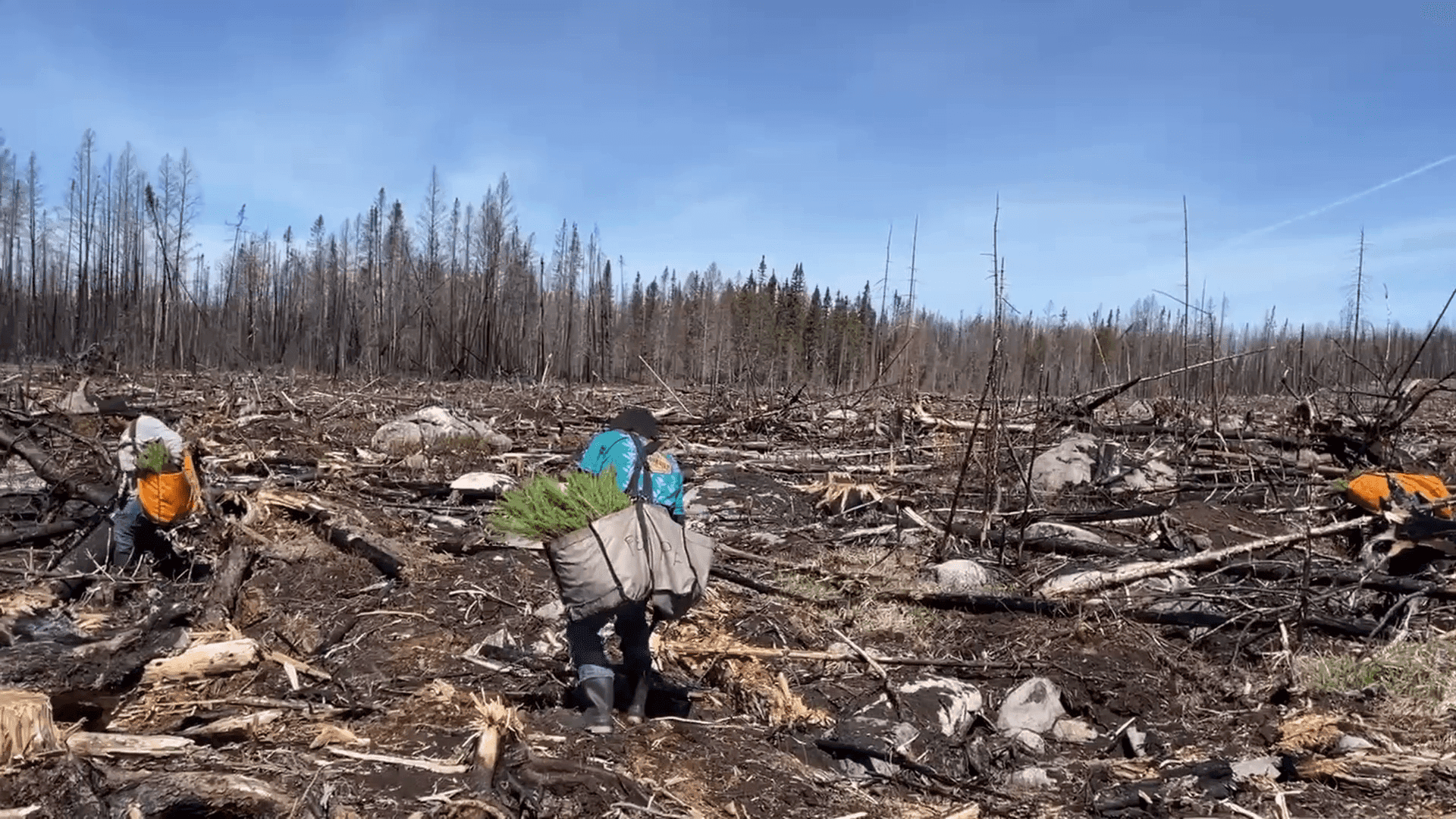
A year after the Camp House and Jenkins Creek fires tore through the Brimson area, The Nature Conservancy began planting thousands of seedlings back into the burn scars, aiming to return 264,000 trees to the damaged forest.
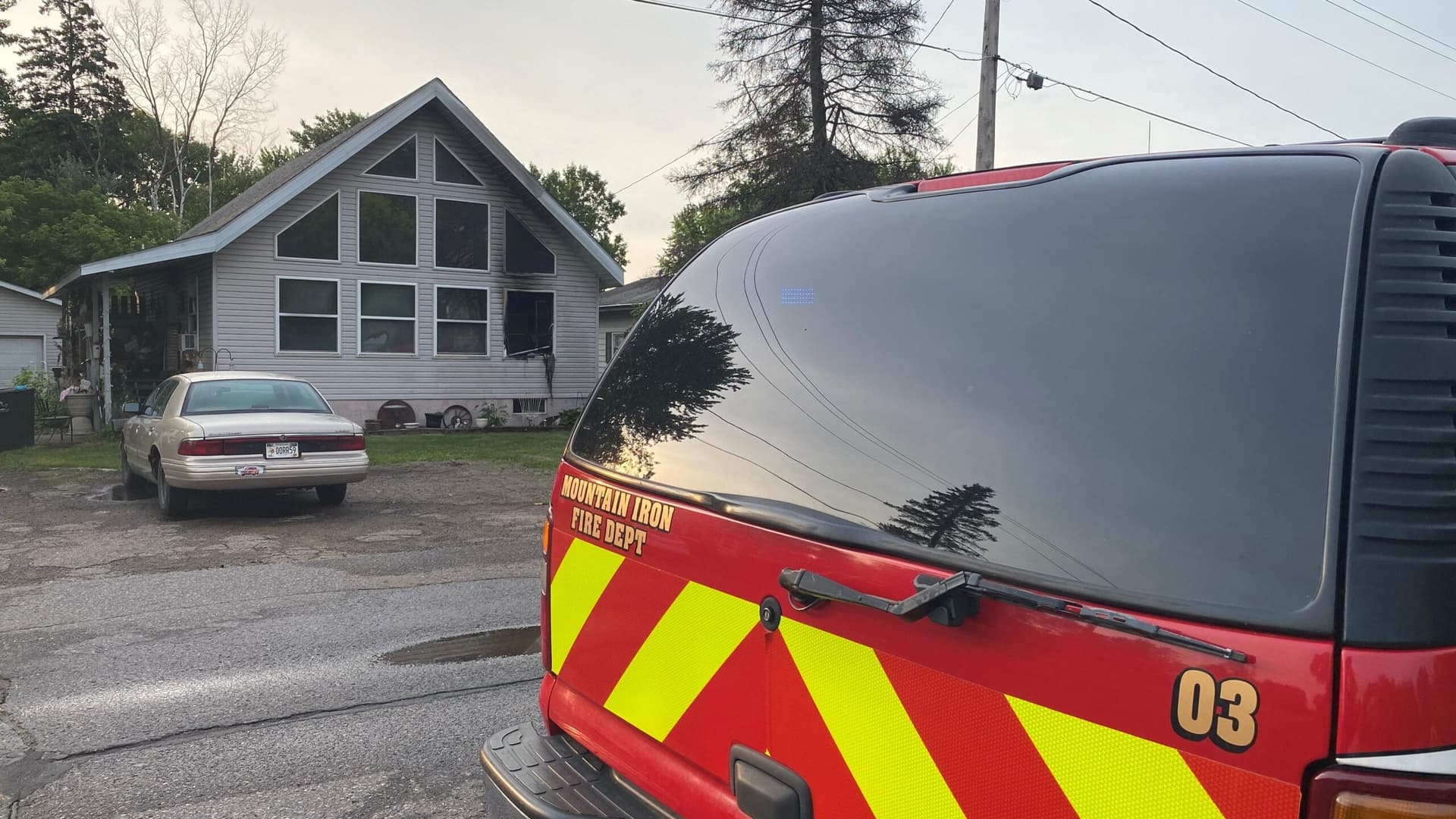
The work started Monday in the Camphouse and Jenkins Creek burn areas, where the 2025 fire season left a wide and complicated recovery. St. Louis County said the Camp House fire grew to about 14,000 acres and destroyed roughly 140 structures. The Camp House and Jenkins Creek fires were later combined into the Brimson Fire Complex, underscoring how quickly the fires spread and how much of the landscape was affected.
The planting is only one part of a longer restoration effort. The Nature Conservancy said its spring 2025 Minnesota tree-planting work put more than 2.5 million trees into the ground across 5,810 acres and along 41 miles of waterways on public lands in six counties, including Saint Louis County. The organization said it orders seedlings two years in advance and works with agencies and partners so the trees can be planted during Minnesota’s short spring planting season.
That timing matters in northeastern Minnesota, where wildfire recovery is measured in years, not months. The Minnesota Department of Natural Resources said the Jenkins Creek Fire area had already suffered heavy spruce budworm damage for several years before the fire, leaving the forest weaker before flames ever reached it. Replanting in that setting is about more than replacing lost trees. It is a test of whether the land can rebuild habitat, hold soil, slow runoff, and regain the cover that supports hunting, hiking, fishing, and other forest uses tied to the local economy.
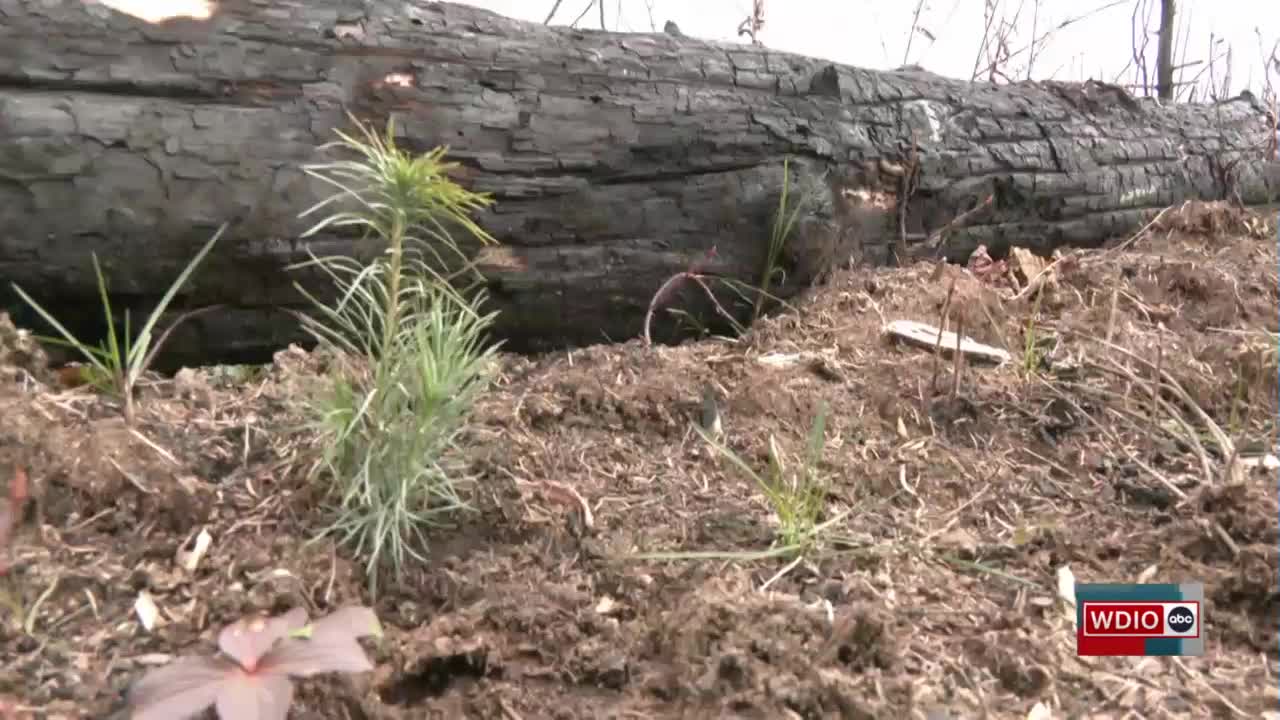
The Nature Conservancy said it is also responding to a seed shortage by investing in seed collection and training seed collectors, part of its broader effort to conserve 2 million acres of resilient forests in Minnesota. That longer-term approach reflects a basic reality of forest recovery: if the seed supply runs short, the replanting pipeline stalls.
For St. Louis County, the stakes remain visible on the ground. The blackened acres left by last year’s fires will not look whole again after one planting season, and the 264,000-tree target is substantial but still only part of a much larger fire scar. The trees going in now mark the start of a recovery that will be judged not by the day they are planted, but by whether the forest can return as a healthier, more resilient landscape for the communities that live with it.
This article was produced by Prism’s automated news system from verified source data, official records, and press releases, then run through automated quality and moderation checks before publishing. The system is built and supervised by the people who set the standards it runs under. Read our full AI policy.
Did this article answer your question?