Area legislators back Jamestown sales tax ordinance for future funding
Area legislators backed a Jamestown ordinance that would steer the city’s current 1% sales tax beyond TRAC. Council action now moves the tax debate closer to a decision.
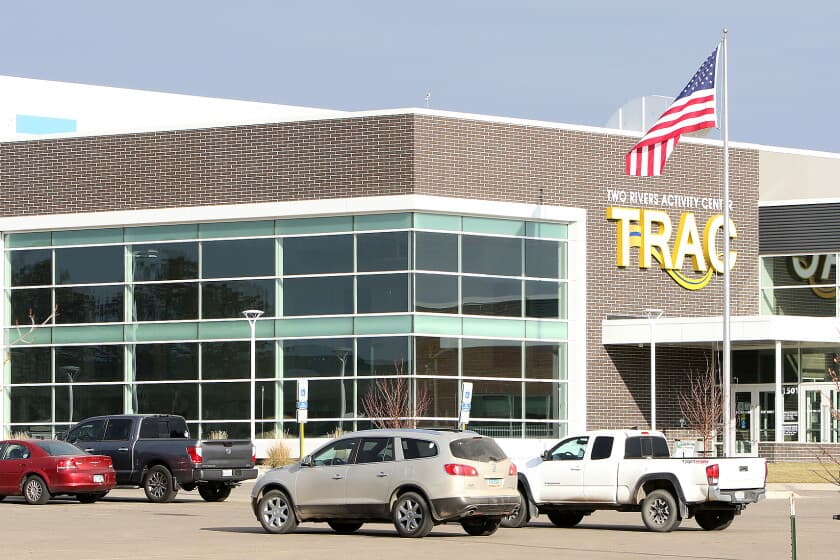
Area legislators backed a proposed Jamestown city ordinance on July 24, and the fight now centers on whether the city’s current 1% sales tax stays tied to TRAC or is redirected toward future funding needs. A committee also recommended approval of an amendment to the Jamestown sales and use tax ordinance, putting the issue in front of the Jamestown City Council.
The proposal involves the 1% local sales tax Jamestown voters approved in 2015 to build the Two Rivers Activity Center, or TRAC. A July 23 Jamestown Sun social media post said the ordinance would allocate that current 1% sales tax, which means the debate is not about inventing a new levy so much as deciding how an existing revenue stream should be used next.
That matters for shoppers and retailers in Jamestown because sales tax is paid on taxable purchases made in the city, and local officials are weighing what that money should support after the original TRAC purpose has run its course. Jamestown has repeatedly turned to sales-tax financing for major capital needs, and earlier discussion about extending the same 1% tax for a capital improvement plan shows how central that funding tool has become in city budgeting.
The support from area legislators gives the ordinance more than routine City Hall momentum. When lawmakers outside city government line up behind a local tax measure, they signal that the question has moved from a narrow administrative matter to a broader decision about Jamestown’s fiscal direction and the projects it wants to finance without leaning as heavily on other revenue sources.
If the council adopts the ordinance, it would also carry state-level administrative consequences. North Dakota Office of State Tax Commissioner guidance shows that local sales and use tax changes are tracked by city and county, and the standard effective date for local tax changes is July 1. Any approval in Jamestown would therefore move into the state system that handles collection and implementation across North Dakota.
For Stutsman County residents, the practical question is straightforward: whether Jamestown keeps the current 1% sales-tax stream narrowly tied to TRAC or opens it up for the city’s next round of funding priorities. The legislative backing makes that choice harder to treat as an internal discussion and easier to see as a real vote ahead.
This article was produced by Prism’s automated news system from verified source data, official records, and press releases, then run through automated quality and moderation checks before publishing. The system is built and supervised by the people who set the standards it runs under. Read our full AI policy.
Did this article answer your question?