Bismarck's Jill Kringstad Seeks Election to Complete PSC Term
Jill Kringstad, appointed to the North Dakota Public Service Commission in January 2025, announced Jan. 22 she will run to complete the final two years of the seat, a contest that will affect energy, utilities, and infrastructure decisions local residents rely on.
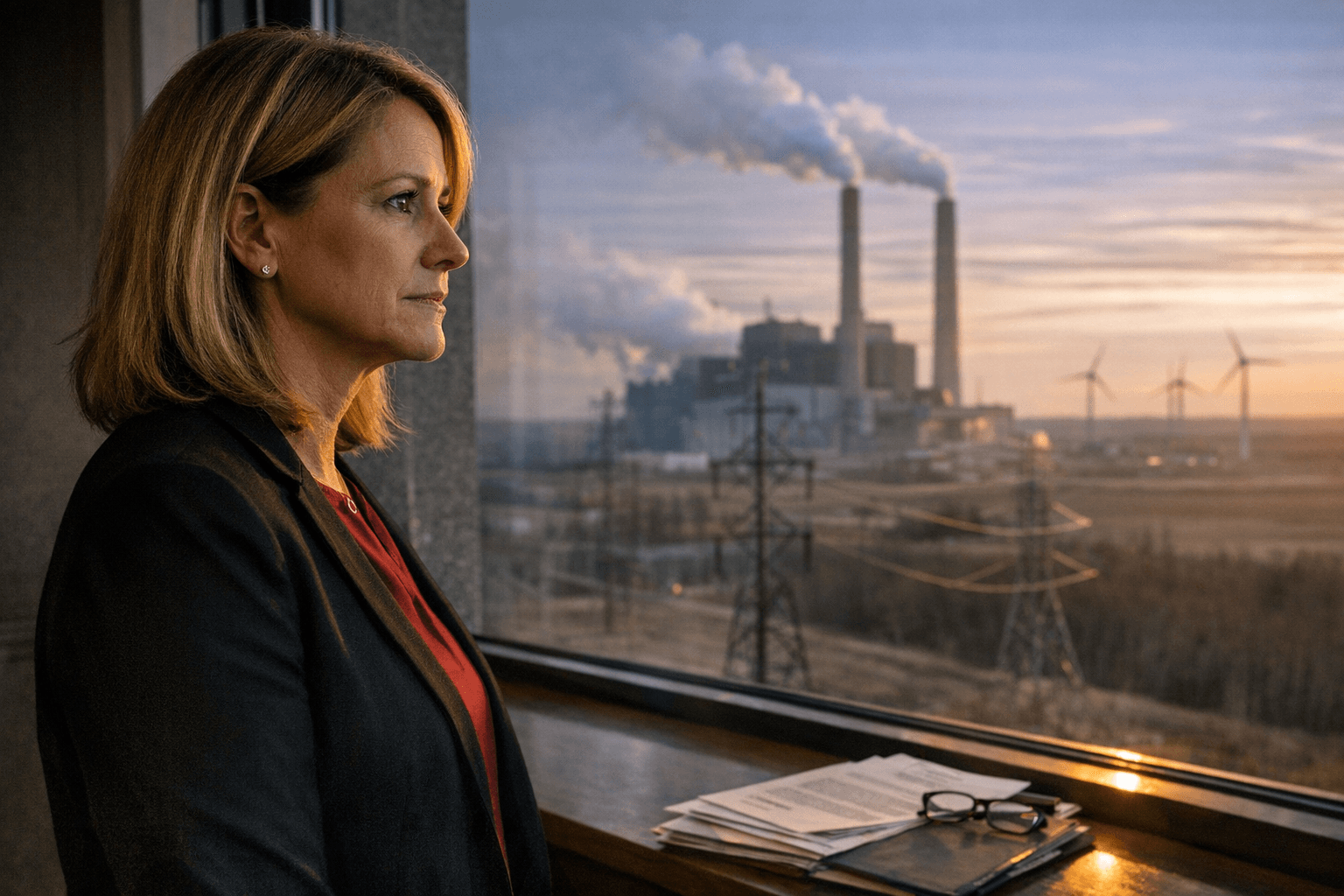
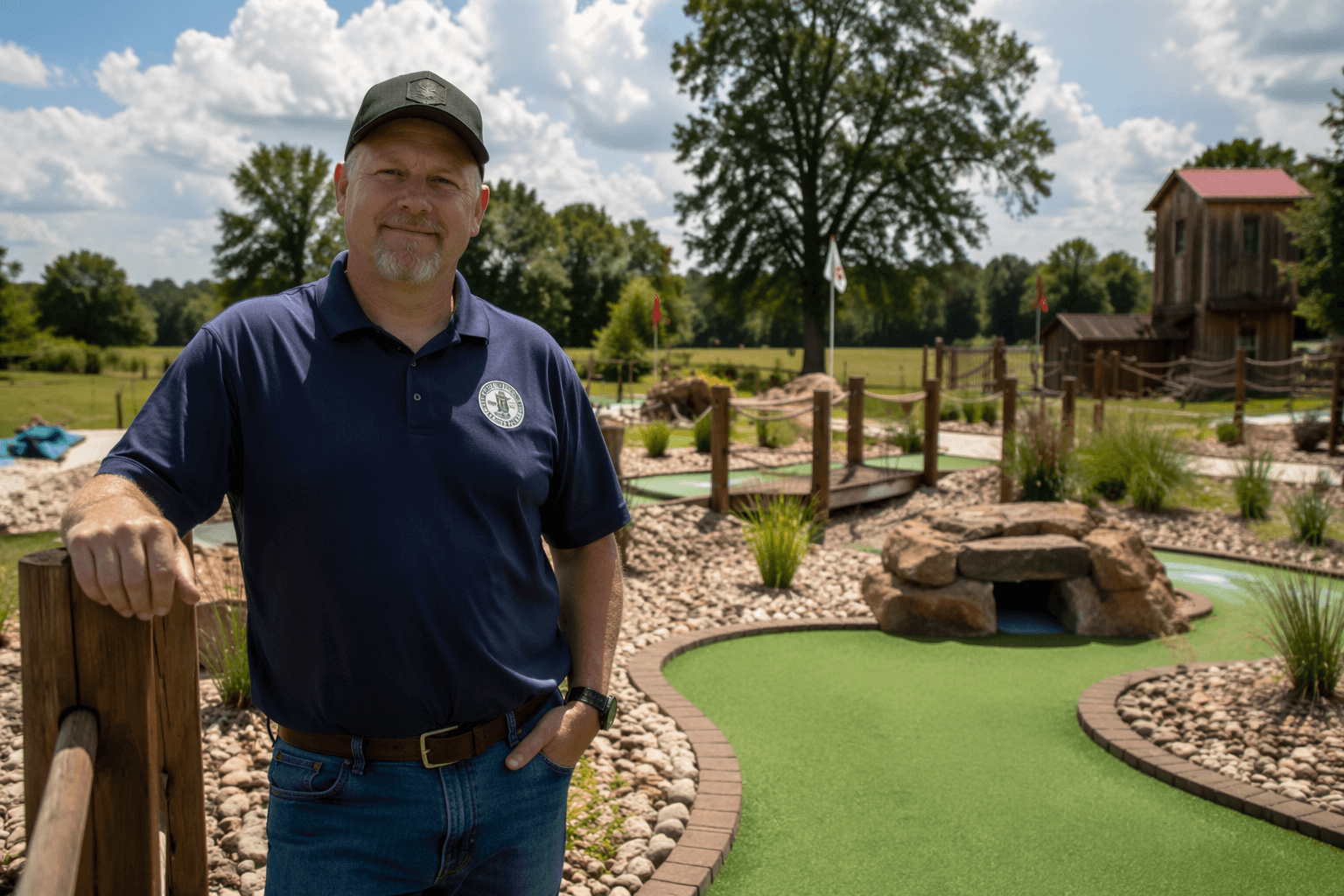
Jill Kringstad, a Bismarck Republican appointed to the North Dakota Public Service Commission in January 2025 to replace Julie Fedorchak, announced her campaign Thursday, Jan. 22 to be elected to serve the final two years of Fedorchak’s term. Kringstad’s bid sets up a contest that could shape pipeline and transmission siting, gas regulation, and railroad safety decisions that affect home energy costs and landowner rights across Stutsman County and the state.
As a commissioner Kringstad oversees portfolios that include pipeline and electric transmission siting, gas economic regulation, and railroad safety. She also serves as North Dakota’s liaison to the Midcontinent Independent System Operator and the Organization of MISO States, which are central to regional power grid and transmission planning. Those roles give the incumbent direct involvement in decisions that influence where infrastructure is built and how regional planning may affect rates and reliability for farms, businesses, and households.
Kringstad framed her campaign around continuing current policies. "I’m running to build on the progress we’ve made, defending affordable, reliable energy, ensuring fair utility practices, and maintaining strong oversight of critical infrastructure that supports our families, farms, and businesses while balancing the needs of landowners and citizens of North Dakota," she said in the campaign release. The release also notes Kringstad resides in Bismarck.
The Public Service Commission is composed of three commissioners elected to six-year terms; the seat Kringstad now holds has two years remaining. The primary election is Tuesday, June 9, and Election Day is Tuesday, Nov. 3. Those dates set the timeline for candidates to file, for public hearings and stakeholder engagement on siting and rate matters, and for voters to assess how each candidate would balance utility affordability, reliability, and landowner concerns.
For Stutsman County, the PSC’s decisions matter in practical ways. Permits and siting determinations can affect farmland, right-of-way access, and local roads. Gas economic regulation and regional transmission planning influence the cost and stability of energy supply for rural heating, irrigation, and local businesses. Railroad safety oversight carries implications for grain and commodity shipments and community safety near rail lines.
Kringstad’s campaign turns the attention to how the commission will manage growth in energy infrastructure and reconcile competing interests of utilities, property owners, and ratepayers. Voters in the June primary and the November general election will decide whether to keep an appointed incumbent in place to finish the term or to select an alternative who may shift priorities on siting, regulation, and regional grid planning.
This article was produced by Prism’s automated news system from verified source data, official records, and press releases, then run through automated quality and moderation checks before publishing. The system is built and supervised by the people who set the standards it runs under. Read our full AI policy.
Did this article answer your question?