Burgum push to curb renewable subsidies sparks local energy debate
A $370 million solar plan north of Jamestown has put Burgum’s anti-subsidy push into Stutsman County’s backyard, where landowners, tax revenue and utility bills are all on the line.
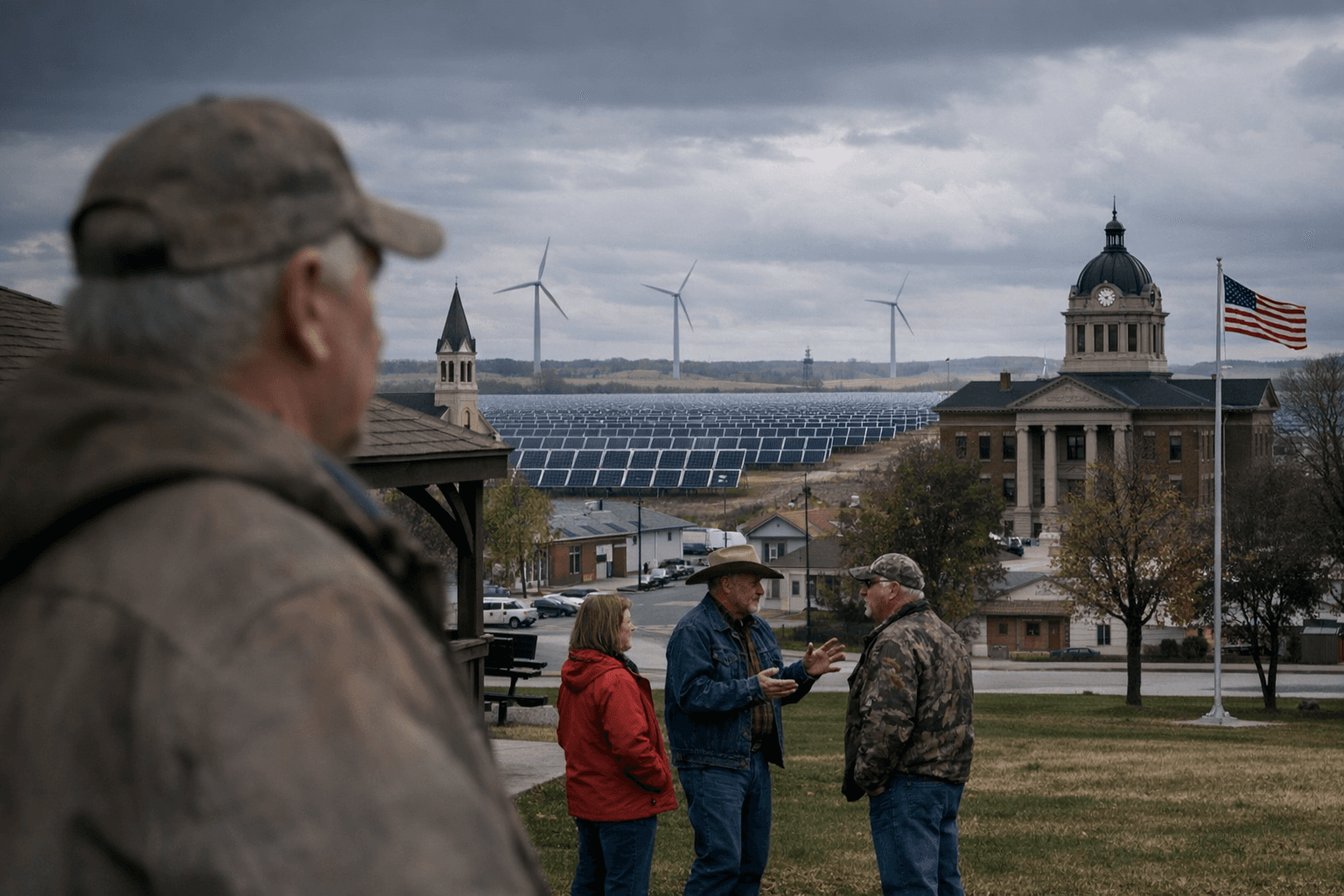
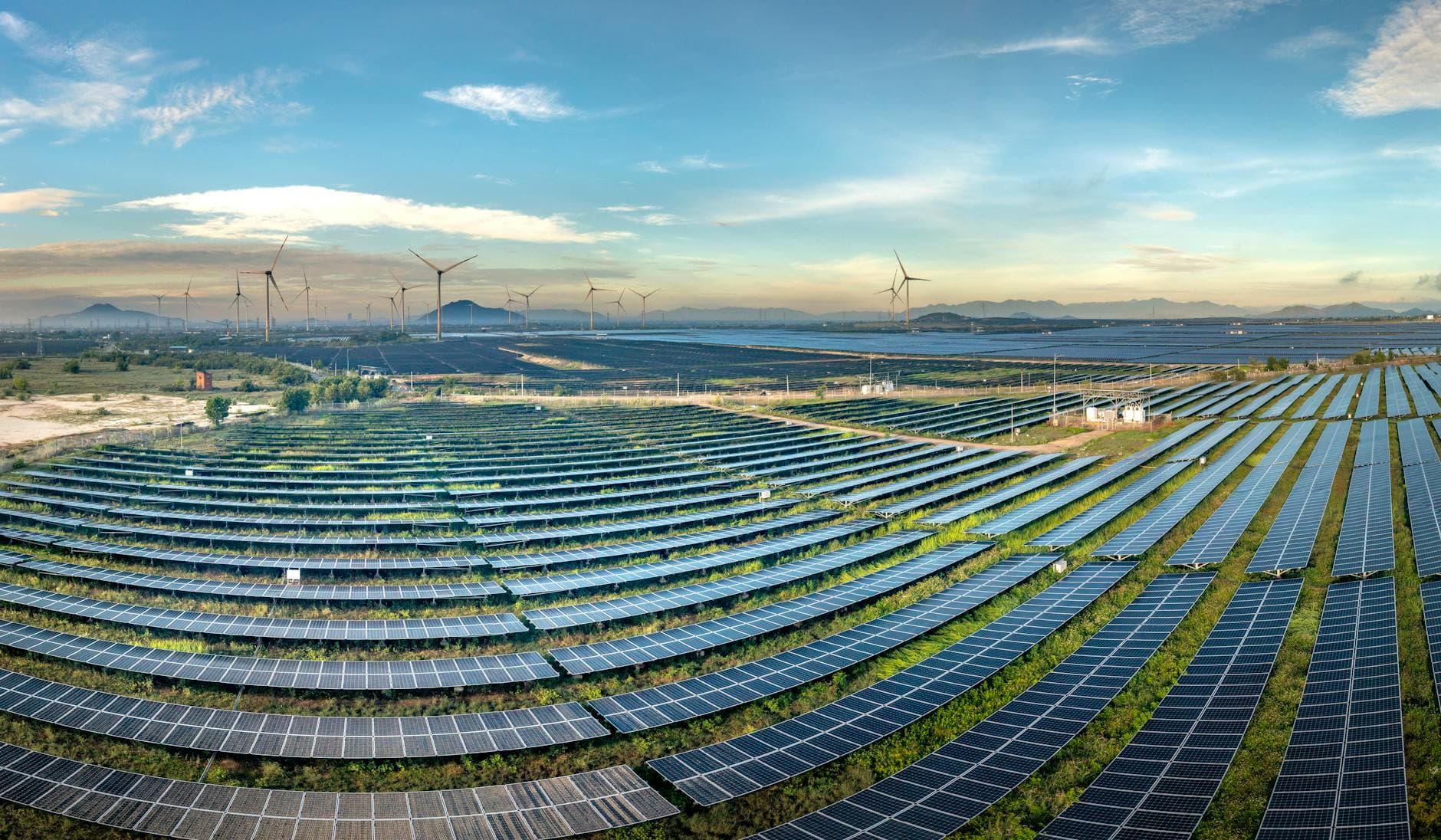
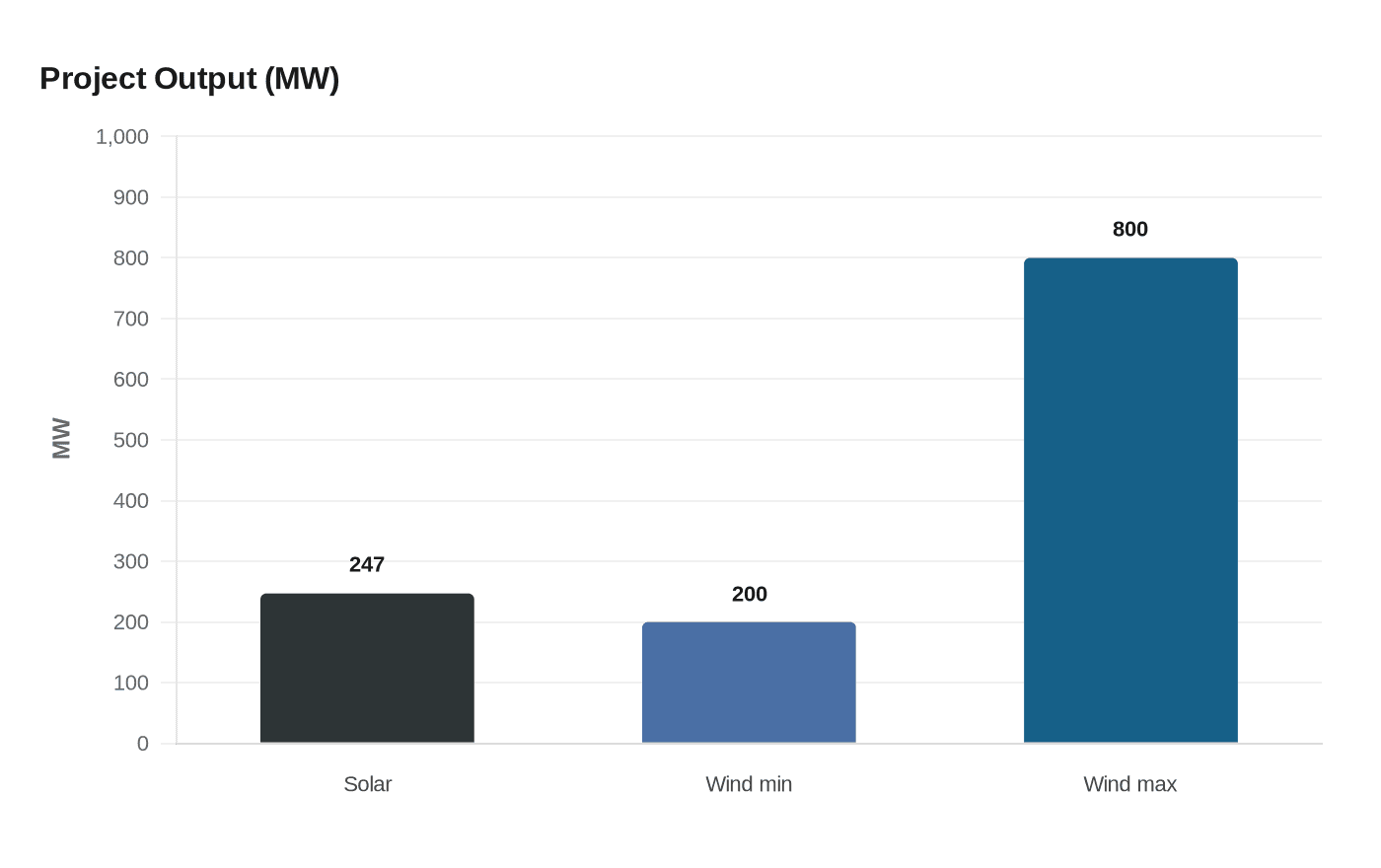
Interior Secretary Doug Burgum’s effort to strip away what his department called preferential treatment for wind and solar is landing in Stutsman County at a moment when the county already sits near the center of North Dakota’s energy fight. A proposed New Leaf Energy solar project north of Jamestown would cover about 1,600 acres, produce 247 megawatts and carry an estimated price tag of $370 million.
The question for Stutsman County is not abstract. It is whether limiting federal support for renewable projects slows the next wave of development or shifts the market toward traditional energy faster than local landowners and county leaders can adapt. An earlier wind proposal in Stutsman and LaMoure counties contemplated up to 285 turbines, with a possible output range of 200 to 800 megawatts and a target operation date of December 2026. Backers said that project could power as many as 125,000 homes.
Burgum’s July 17, 2025, move at the U.S. Department of the Interior directed all department-related decisions on wind and solar facilities on federal lands and waters to undergo elevated review by the Office of the Secretary. That review covers leases, rights-of-way, construction and operating plans, grants, consultations and biological opinions. Interior tied the shift to Executive Order 14315 and cast it as part of an energy dominance agenda.
The policy reaches far beyond Washington because North Dakota already treats renewables differently in its own tax code. The state offers a property-tax exemption for certain solar, wind or geothermal devices, while wind turbine generation units can be taxed either as property or through payments in lieu of property tax depending on the facility. Lawmakers also pushed the issue this year, with SB 2359 proposing changes to renewable electricity and recycled energy credits and repealing several sections tied to renewable and recycled energy objectives.
That matters in a county where energy development has already brought real money to the tax rolls and to landowners. North Dakota wind industry data for 2024 showed $24.4 million in state and local taxes and $22.1 million in income to landowners. At the same time, North Dakota consumers paid an average of 7.93 cents per kilowatt hour in 2024, keeping the state among the lowest-cost electricity markets in the country.
For Stutsman County residents, the debate now comes down to who wins if renewable incentives shrink. Landowners near Jamestown could see fewer lease opportunities. County governments could face different tax patterns. Developers may decide that projects like the one north of Jamestown are harder to finance. And if Burgum’s push succeeds, the next round of energy investment in North Dakota may look very different from the one now bearing down on Stutsman County.
This article was produced by Prism’s automated news system from verified source data, official records, and press releases, then run through automated quality and moderation checks before publishing. The system is built and supervised by the people who set the standards it runs under. Read our full AI policy.
Did this article answer your question?