Dickey County Officer Honored for Leafy Spurge Biocontrol Leadership
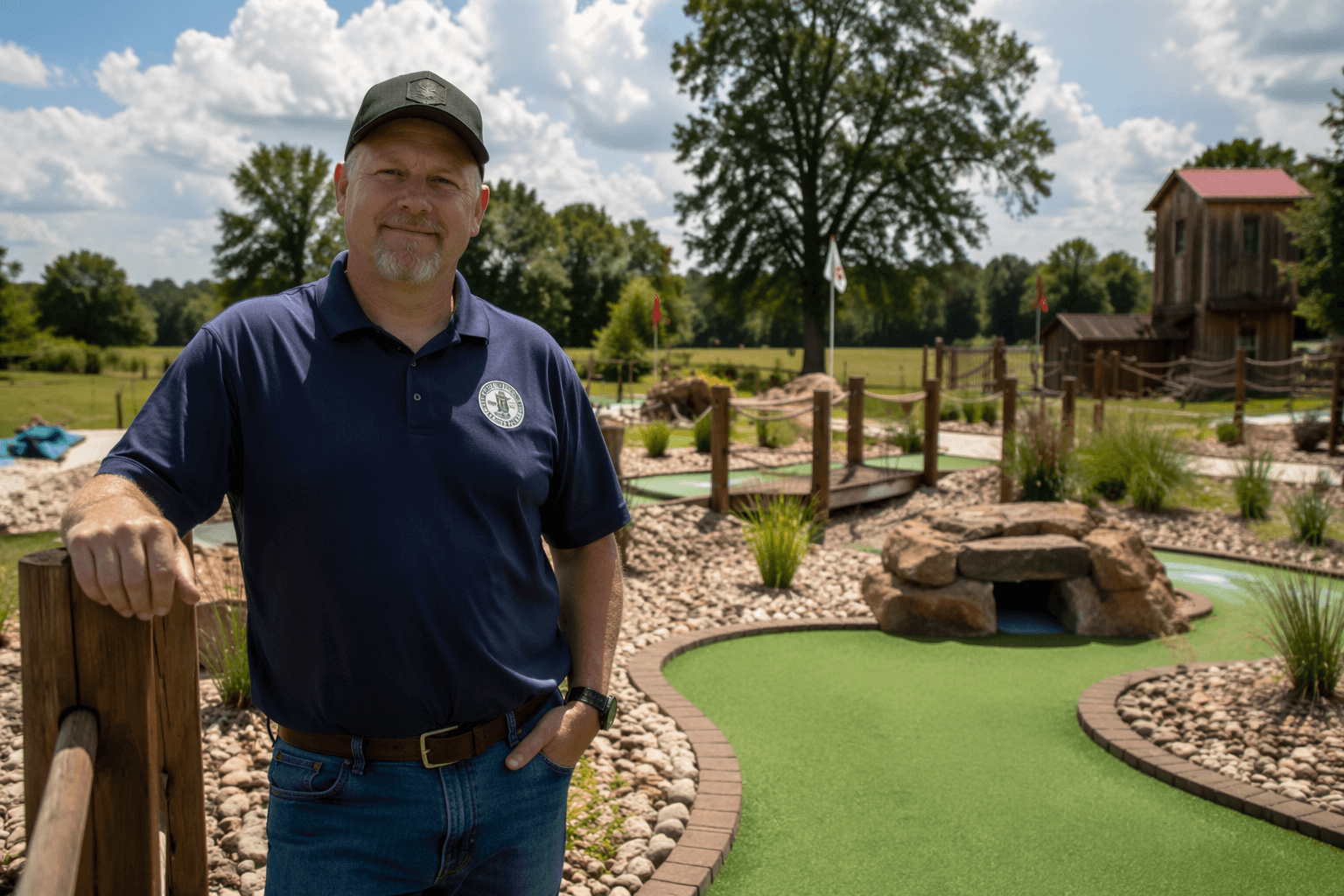
Agriculture Commissioner Doug Goehring presented the 2026 Weed Control Partner Award to Dickey County weed officer Terry Weis at the Commissioner's Noxious Weed Forum in Bismarck on Jan. 6, 2026. Weis was recognized for launching and sustaining a countywide leafy spurge beetle biocontrol program that has strengthened local weed suppression efforts and increased landowner participation.
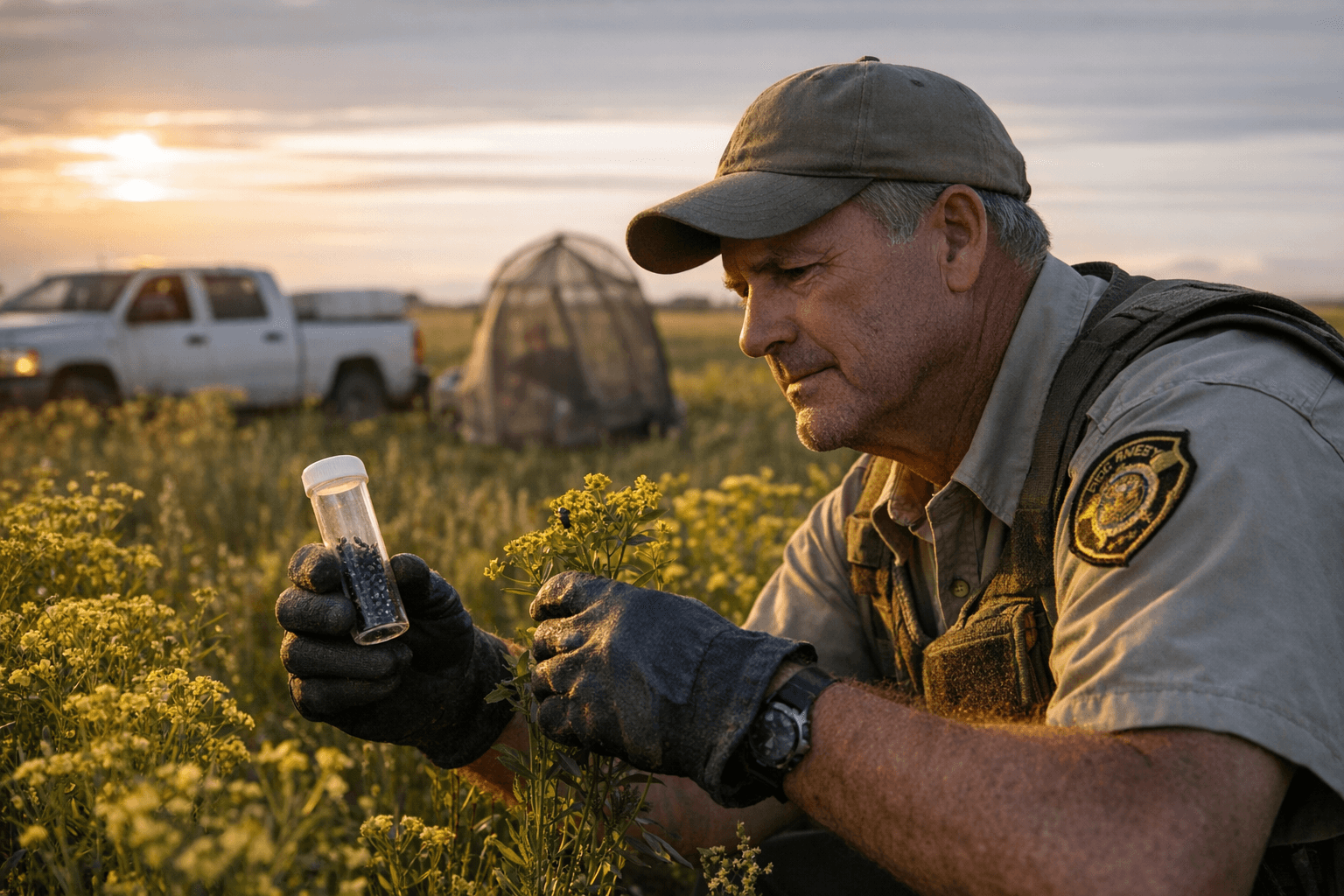
At the Commissioner's Noxious Weed Forum in Bismarck on Jan. 6, 2026, Agriculture Commissioner Doug Goehring awarded the 2026 Weed Control Partner Award to Terry Weis, the Dickey County weed officer, in recognition of his long-term work addressing leafy spurge through biological control. The award highlights a grassroots program that combined scientific tools and local coordination to reduce the spread of an aggressive noxious weed affecting pastures, cropland margins, and native grasslands.
Weis launched and has maintained a leafy spurge beetle biocontrol initiative in Dickey County, working in partnership with the North Dakota Department of Agriculture to secure and distribute beetles suited to suppressing infestations. His role extended beyond procuring biological agents; he coordinated countywide distribution and encouraged landowner participation, building relationships with residents and community leaders that aided adoption and follow-through. This combination of technical collaboration and local engagement is credited with creating sustainable, long-term pressure on leafy spurge populations across the county.
For Stutsman County residents, the recognition underscores the tangible benefits when county weed officers and state agencies work together. Biological control programs like the one in Dickey County can reduce reliance on repeated chemical treatments, protect grazing lands, and maintain habitat for livestock and wildlife. Coordinated distribution makes it easier for individual landowners and smaller operators to access tools that would be costlier or harder to deploy on their own.
The award and the forum also serve as a reminder that weed management is a multi-year effort requiring steady commitment. Weis’ emphasis on long-term suppression reflects a broader shift toward integrated approaches that blend biological agents, targeted herbicide use when necessary, monitoring, and community coordination. Such efforts can stabilize land values and agricultural productivity by limiting the spread of hard-to-control species.
While the recognition is regional, its lessons are local: county-level leadership and cooperative outreach can multiply the effectiveness of state resources. As neighbors evaluate options for controlling persistent weeds on their properties, the Dickey County model provides a practical example of mobilizing biological control and building the social support needed to sustain it over time.
This article was produced by Prism’s automated news system from verified source data, official records, and press releases, then run through automated quality and moderation checks before publishing. The system is built and supervised by the people who set the standards it runs under. Read our full AI policy.
Did this article answer your question?