Germans from Russia Collection Wins Grant for Virtual Exhibit
The Germans from Russia Heritage Collection at NDSU in Fargo received a $9,950 ND250 Community Initiatives Grant to build a 360-degree virtual tour of its permanent exhibit. The project aims to expand access for students, researchers and community members who cannot travel to Fargo and to create a consistent digital visitor experience across North Dakota history offerings.
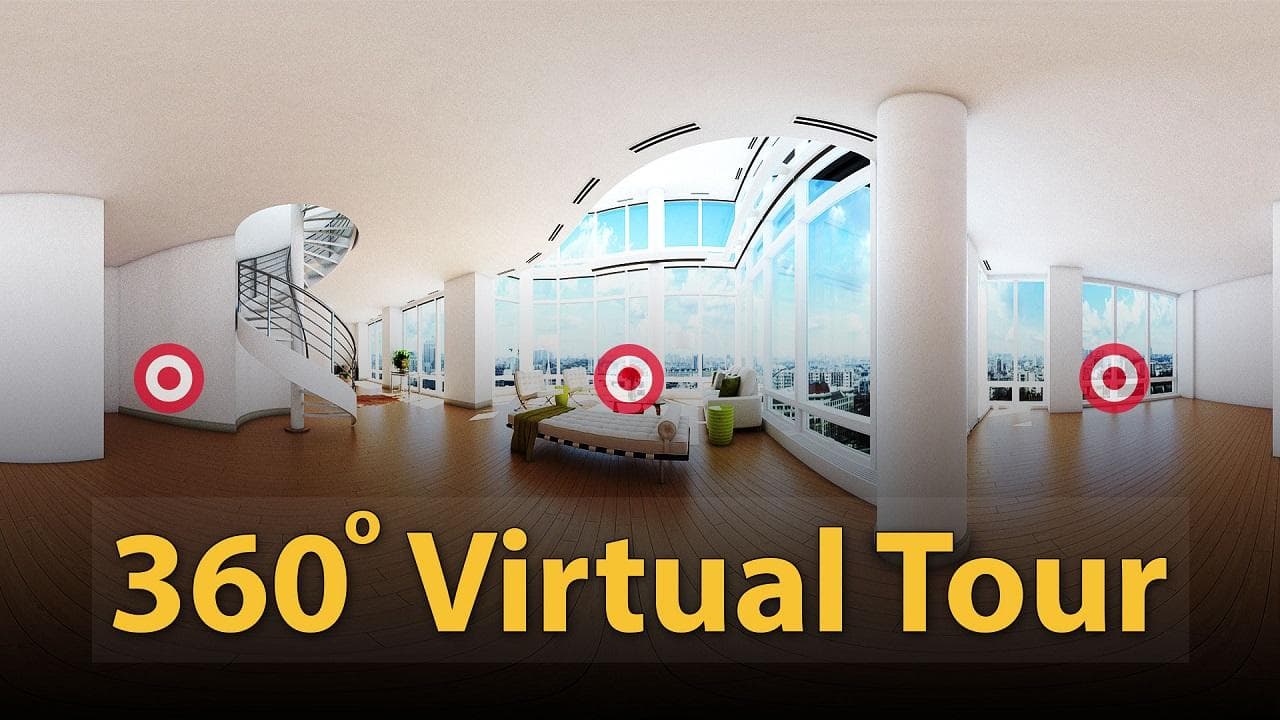
The Germans from Russia Heritage Collection at North Dakota State University in Fargo secured a $9,950 ND250 Community Initiatives Grant to create a 360-degree virtual tour of its permanent exhibit. The funding will be used to produce a digital walk-through that mirrors the in-person experience and includes short video clips drawn from the collection’s documentaries.
Interim director Jeremy Kopp and staff described the virtual exhibit as a way to reach students, researchers and community members who cannot travel to Fargo. The vendor commissioned to build the virtual tour is the same company producing a virtual tour for the new Theodore Roosevelt Presidential Library, a choice intended to provide a consistent visitor experience across state history offerings.
The collection preserves and shares the history of regional immigrants, with exhibits that document everyday life, migration stories and cultural traditions. One featured component, the "Dakota Memories Corner," houses recorded oral histories alongside historic artifacts, allowing users to hear personal recollections while viewing related objects. The virtual tour will recreate these elements online so viewers beyond the region can access narrated memories and archival materials.
Officials planned the physical exhibit’s grand opening to coincide with the Germans from Russia convention in Fargo in mid-July, and aimed to unveil the virtual tour in the fall, ideally around Homecoming. Making the exhibit available digitally extends the collection’s reach beyond Fargo’s campus and offers new opportunities for classroom use, academic research and family history projects throughout Stutsman County and other rural communities.

The project carries implications for public health and equity. Virtual access reduces the need for travel, lowering costs and logistical barriers for older adults, people with mobility challenges and residents with medical vulnerabilities. At the same time, digital initiatives can highlight persistent disparities in broadband access and technology resources in rural counties. Ensuring that the tour benefits residents across Stutsman County will require attention to those gaps so schools, libraries and community centers can serve as access points.
The grant-backed virtual tour advances preservation and accessibility goals by combining oral histories, artifacts and documentary footage in a format that can be studied remotely. For communities across central North Dakota, the effort represents a step toward more inclusive cultural programming and a reminder that safeguarding immigrant histories involves both physical stewardship and equitable digital access.
This article was produced by Prism’s automated news system from verified source data, official records, and press releases, then run through automated quality and moderation checks before publishing. The system is built and supervised by the people who set the standards it runs under. Read our full AI policy.
Did this article answer your question?