Jamestown committee approves $5.7M citywide lead service-line replacement district for 400 properties
Jamestown will replace about 400 lead water service lines under a $5.7M plan, cutting lead exposure and using a $2M forgivable loan plus property assessments.
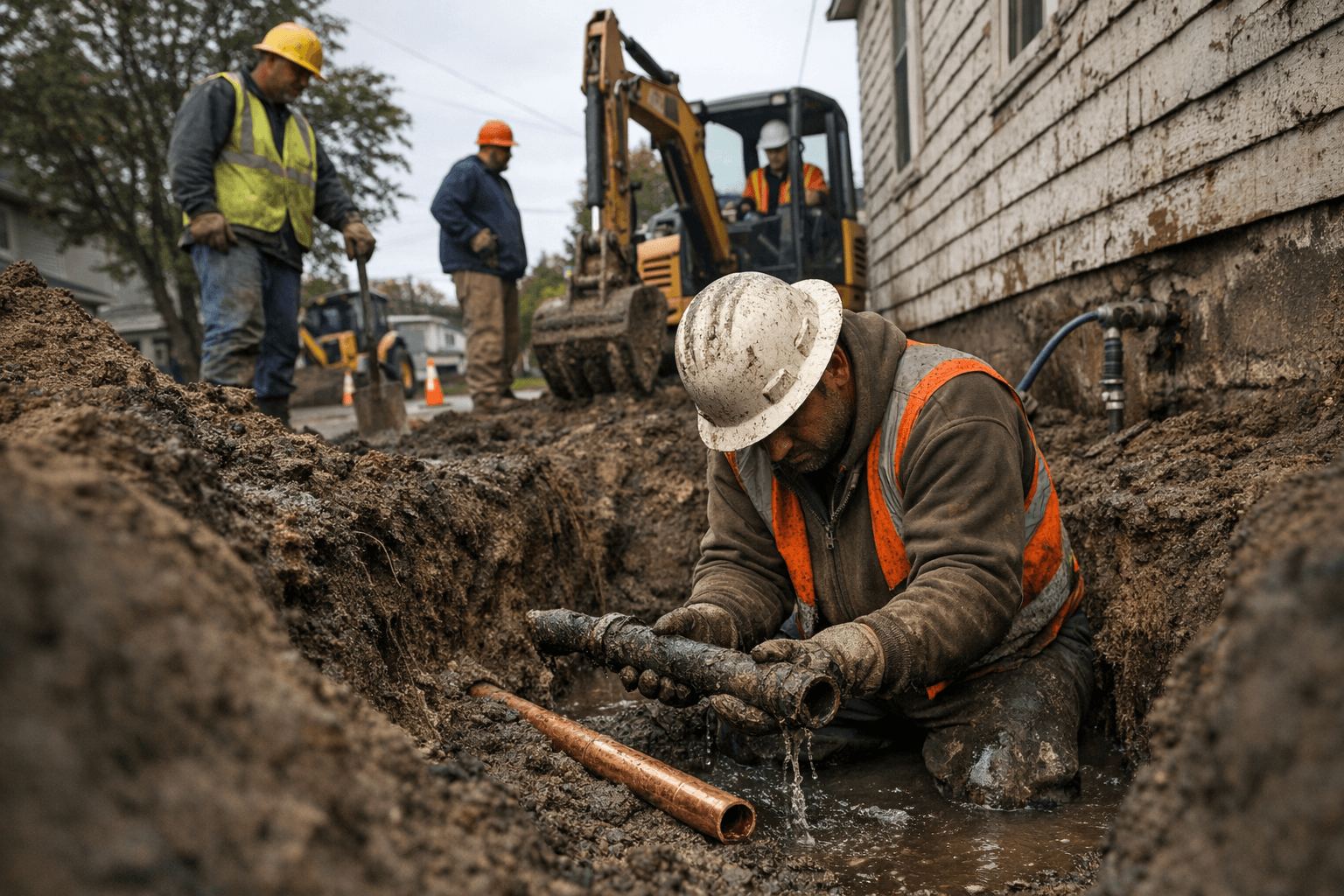
Jamestown’s Public Works Committee unanimously voted to move forward with a citywide lead water service line replacement district, approving an engineer’s report and a $5.7 million cost estimate for the project. The committee also directed Interstate Engineering to prepare a preliminary report to guide the multi-year effort.
City public works staff estimate roughly 400 properties have privately owned lead service lines that will be replaced with high-density polyethylene pipe as part of the program. The work responds to the U.S. Environmental Protection Agency’s Lead and Copper Rule and must be completed by 2037. The city plans to advertise bids this spring or summer, with construction possible as early as summer 2026 and carried out in phases.
Funding for replacements will come from a combination of a $2 million forgivable loan through the Drinking Water State Revolving Fund program and special assessments on properties that require replacement. City staff cautioned that loan forgiveness from the Department of Environmental Quality will not be available indefinitely; priority for forgivable funding will be determined by the order in which property owners sign up.
A letter will be mailed within the next month to property owners the city has identified as having lead service lines. The notice will explain that replacement work is eligible for loan forgiveness and that priority is given to owners who register early. City engineering staff said properties along 4th Avenue Northeast and 4th Avenue Southeast will receive top priority because those blocks already have mill-and-overlay street projects planned, allowing crews to coordinate water and street work.
Local health and infrastructure stakes are high. Replacing lead service lines reduces long-term lead exposure risk to households and schools, and updating aging connections will help protect water quality and future maintenance costs. At the same time, the special-assessment financing means some property owners will bear a portion of project costs, making the timetable for loan forgiveness and sign-up order important factors for household budgets.
The committee’s unanimous recommendations set the procedural path: create the preliminary engineering report, finalize assessment plans, and move toward bidding. Residents should watch for the city’s letters in coming weeks, consider signing up promptly to secure forgivable funding priority, and expect phased construction beginning in 2026 if bidding proceeds on schedule.
This article was produced by Prism’s automated news system from verified source data, official records, and press releases, then run through automated quality and moderation checks before publishing. The system is built and supervised by the people who set the standards it runs under. Read our full AI policy.
Did this article answer your question?